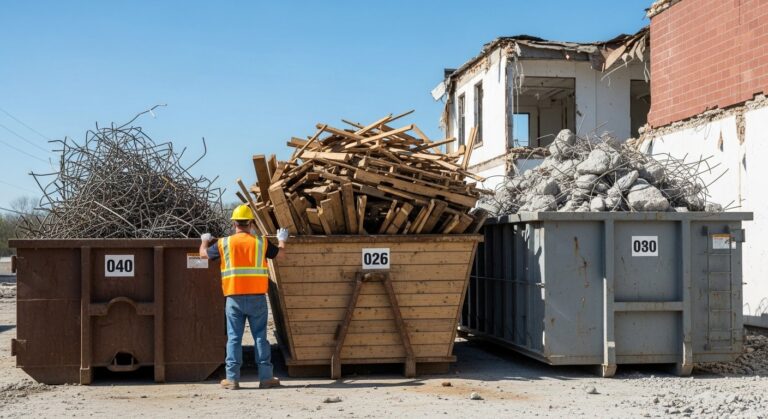
When a demolition project begins in Arkansas, the pile of rubble that follows can feel overwhelming. Concrete, wood, metal, drywall, and hazardous materials often end up mixed together in a single dumpster. This approach not only wastes valuable landfill space but also misses opportunities for recycling and cost savings. Effective segregation of demolition debris is no longer just an environmental nicety; it is a strategic practice that protects your budget, keeps your project compliant with state regulations, and supports local recycling markets. In Arkansas, where construction and demolition waste accounts for a significant portion of landfill volume, understanding the best practices for sorting debris on site can transform a chaotic cleanup into a streamlined, profitable process.
Demolition debris segregation might sound like a complex task reserved for large commercial projects, but the principles apply equally to a small home renovation or a full building tear-down. The key is to plan before the first wall comes down. By identifying material types early and setting up separate collection streams, contractors and homeowners alike can reduce disposal fees, avoid environmental penalties, and reclaim valuable materials. This guide walks through the essential steps, common pitfalls, and state-specific considerations for anyone undertaking a demolition project in Arkansas.
Why Segregation Matters for Arkansas Projects
Arkansas has a growing focus on sustainable waste management, and demolition debris is a major part of that conversation. The Arkansas Department of Energy and Environment, through its Division of Environmental Quality, oversees regulations that encourage recycling and proper disposal of construction and demolition waste. While the state does not mandate a specific segregation protocol for every project, failing to separate hazardous materials from inert debris can lead to fines and cleanup orders. More importantly, segregation directly impacts your bottom line. Mixed debris is typically charged at a higher tipping fee at landfills, whereas clean loads of concrete, metal, or wood can be processed at lower rates or even generate revenue through recycling centers.
Beyond financial benefits, segregation reduces the environmental footprint of your project. Concrete and asphalt can be crushed and reused as aggregate for new construction. Scrap metal is highly recyclable and in demand. Untreated wood can be chipped for mulch or biomass fuel. Drywall can be processed into new gypsum products. When these materials are mixed together, they become contaminated and lose their value. For Arkansas communities, keeping demolition debris out of landfills extends the life of those facilities and reduces the need for new disposal sites. This is especially important in rural areas where landfill capacity is limited.
Regulatory Considerations in Arkansas
Arkansas does not have a statewide mandatory recycling ordinance for construction and demolition debris, but several local jurisdictions have adopted their own rules. Cities like Little Rock, Fayetteville, and Bentonville have sustainability goals that encourage diversion. The Arkansas DEQ provides guidelines for managing special wastes, including asbestos-containing materials, lead-based paint debris, and treated wood. Any demolition project involving structures built before 1980 should assume the presence of hazardous materials. Failing to properly identify and segregate these items can result in enforcement actions. It is always wise to consult with a licensed waste hauler who understands the specific requirements of your county or municipality.
One of the most common regulatory issues arises when mixed debris is hauled to a landfill that only accepts inert waste. If a load contains prohibited materials like electronics, tires, or household hazardous waste, the entire load can be rejected. This creates delays and additional transportation costs. By segregating materials at the source, you avoid these rejections and maintain a smooth workflow. Arkansas demolition debris segregation best practices emphasize pre-demolition audits and clear communication with your waste service provider.
Step-by-Step Segregation Plan
A successful segregation strategy starts before any equipment arrives on site. Begin with a thorough walkthrough of the structure to identify all material types. Create a list of expected debris categories: concrete and masonry, ferrous and non-ferrous metals, clean wood, treated wood, drywall, glass, plastics, roofing materials, and hazardous items like asbestos, paints, solvents, and fluorescent bulbs. Assign separate roll-off containers or designated piles for each category. If space is limited on a residential lot, prioritize the highest-value materials like metal and concrete, and combine lower-value streams like mixed construction waste for disposal.
Next, establish a clear communication plan with your crew. Post signage on each container listing acceptable materials. Train workers to recognize and sort items as they load debris. This is especially important during selective demolition, where materials are removed piece by piece rather than by machine. A skilled crew can significantly increase recovery rates. For example, removing doors, windows, and fixtures before the walls come down allows those items to be donated or recycled separately. Even in a total demolition, a magnet can be used to separate ferrous metals from the rubble pile before it is loaded into a truck.
Common Material Categories and Their Handling
Each material type requires a specific handling approach to maximize recovery and minimize contamination. Below are the primary categories encountered in Arkansas demolition projects:
- Concrete and Masonry: This includes concrete slabs, blocks, brick, and stone. These materials are heavy and take up significant volume. They should be kept separate and free of rebar, wood, and trash. Clean concrete can be crushed on site or hauled to a recycling facility that produces road base or aggregate. Many Arkansas facilities accept concrete at a lower tipping fee than mixed waste.
- Scrap Metal: Ferrous metals (steel, iron) and non-ferrous metals (copper, aluminum, brass) have strong market value. Remove all metal items including rebar, pipes, wiring, siding, and appliances before demolition. Separate ferrous from non-ferrous to get the best price from scrap yards. Arkansas has numerous scrap metal buyers, and prices fluctuate based on global markets.
- Wood: Clean, untreated lumber can be recycled into mulch, animal bedding, or engineered wood products. Painted, stained, or treated wood (such as pressure-treated lumber) must be handled separately because it may contain preservatives that are hazardous. Some facilities in Arkansas accept clean wood for free or at a reduced cost. Treated wood often goes to a landfill designated for construction debris.
- Drywall: Gypsum wallboard can be recycled into new drywall or used as a soil amendment. However, it must be free from paper, tape, and joint compound for the highest quality recycling. In Arkansas, drywall recycling is less common than concrete or metal recycling, so check with local facilities before segregating it separately.
- Roofing Materials: Asphalt shingles can be recycled into pavement mix. This requires removal of nails and felt paper. Some Arkansas recycling centers accept shingles, but they often require them to be clean and free of other debris. If recycling is not available, shingles are typically disposed of as construction waste.
By understanding these categories and their specific handling requirements, you can tailor your segregation plan to the materials present in your project. This not only improves recycling rates but also reduces the risk of contamination that could result in rejected loads.
Tools and Equipment for Efficient Segregation
Having the right tools on site makes segregation faster and safer. For most projects, a set of roll-off dumpsters or large bins dedicated to different material types is essential. In Arkansas, dumpster rental companies offer containers specifically for concrete, metal, mixed waste, and clean wood. Label each container clearly and place them in accessible locations. For smaller projects, heavy-duty bags or dump trailers can serve the same purpose.
Mechanical equipment like excavators with grapples or shears can help separate materials during the demolition process. Magnetic separators mounted on conveyors or excavators pull out ferrous metals from debris piles. Screeners can sift out fines and separate concrete from wood. Even simple tools like pry bars, crowbars, and reciprocating saws allow workers to remove fixtures and materials intact rather than breaking them into mixed rubble. Investing in the right equipment reduces labor costs and increases the purity of each material stream.
Working with Arkansas Waste Facilities
Before you start hauling, research the facilities that will accept your segregated materials. The Arkansas DEQ maintains a list of permitted solid waste facilities, but it is also helpful to call ahead to confirm acceptance criteria, tipping fees, and hours of operation. Some facilities only accept certain materials on specific days. For example, a concrete recycling yard may require that loads be free of rebar and dirt. A scrap metal yard may have minimum weight requirements. Building a relationship with a trusted waste hauler or dumpster rental provider can simplify this process because they often have established accounts with multiple facilities and can advise on the best destination for each material stream.
In addition to recycling centers, consider donation and reuse options. Nonprofit organizations like Habitat for Humanity ReStores accept reusable building materials such as doors, windows, cabinets, and lumber. These items can be separated and donated, providing a tax deduction and keeping usable materials out of the waste stream. For Arkansas projects, this is often the most cost-effective way to handle high-quality salvageable items.
Common Mistakes and How to Avoid Them
Even experienced contractors make errors in segregation that cost time and money. One of the most frequent mistakes is failing to account for hazardous materials during the planning phase. Asbestos, lead paint, and mold are common in older Arkansas structures. If these materials are mixed with general debris, the entire load becomes hazardous waste, which is extremely expensive to dispose of. Always conduct a pre-demolition inspection and involve a certified abatement contractor if hazardous materials are present.
Another common error is overloading a single container with mixed materials in an attempt to save on rental costs. While it may seem efficient to throw everything into one dumpster, the higher tipping fee for mixed waste often eliminates any savings. In many cases, the cost of two separate containers (one for concrete, one for mixed waste) is lower than one container for mixed debris because concrete is cheaper to recycle. Calculate the volume and weight of each material type beforehand to determine the optimal container mix.
Finally, poor communication with the hauling crew can lead to contamination. If a worker tosses a piece of treated wood into the clean wood pile, the entire load may be rejected. Hold a brief safety and sorting meeting each morning to reinforce the segregation rules. Use color-coded containers or labels to make sorting intuitive. When everyone understands the plan and the reasons behind it, compliance improves dramatically.
Measuring Success and Improving Over Time
Tracking the results of your segregation efforts helps you refine your process for future projects. Keep records of the weight or volume of each material type sent to recycling versus disposal. Calculate the diversion rate, which is the percentage of debris kept out of landfills. Many Arkansas projects achieve diversion rates of 60 to 80 percent when following best practices. Compare your costs to a scenario where all debris is mixed. The savings from reduced tipping fees and potential revenue from scrap metal can be substantial.
Share these results with your team and celebrate successes. When workers see that their sorting efforts lead to lower project costs and environmental benefits, they are more likely to maintain high standards. Over time, you can identify which materials are most challenging to segregate and invest in additional training or equipment to address those areas. Continuous improvement is the hallmark of a professional demolition operation.
Arkansas demolition projects, whether large or small, benefit immensely from a structured approach to debris segregation. By planning ahead, using the right tools, and working with knowledgeable waste partners, you can turn a messy demolition into a clean, profitable, and environmentally responsible operation. The practices outlined here provide a solid foundation for any project in the Natural State, ensuring that your debris ends up in the right place and your budget stays intact.