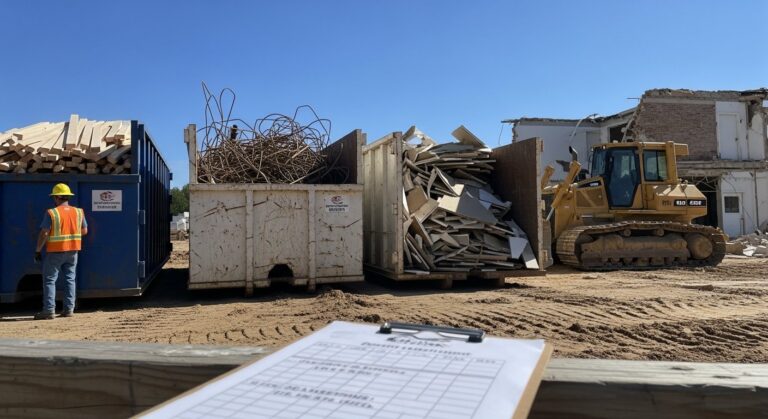
Demolition projects in Arkansas generate massive amounts of waste, from concrete and wood to metals and hazardous materials. Without a clear plan for sorting these materials, contractors and property owners face higher disposal costs, regulatory fines, and unnecessary landfill contributions. Proper segregation transforms a chaotic pile of debris into a manageable stream of recyclable and disposable components. In Arkansas, where environmental regulations and landfill fees continue to evolve, adopting demolition debris segregation best practices Arkansas contractors rely on can save money and protect the environment.
The process starts before the first wall comes down. A thorough pre-demolition audit identifies what materials are present and how they should be handled. This upfront work pays dividends by reducing sorting time on site and ensuring compliance with state and local rules. For example, separating clean wood from painted or treated lumber prevents cross-contamination and opens the door to recycling options. Similarly, isolating metals like steel and copper allows you to sell those materials instead of paying to haul them away. The key is to think of demolition debris not as trash but as a resource stream waiting to be sorted.
Understanding Arkansas Regulations for Demolition Waste
Arkansas does not have a single statewide law that dictates every aspect of demolition debris segregation, but several regulations influence how waste must be handled. The Arkansas Department of Environmental Quality (ADEQ) oversees solid waste management and requires proper disposal of certain materials. For instance, asbestos-containing materials must be removed and disposed of according to strict federal and state guidelines before any demolition begins. Failure to follow these rules can result in significant penalties and project delays.
Landfill restrictions also play a role. Many Arkansas landfills have banned specific items such as electronics, tires, and certain hazardous wastes. Some facilities charge lower tipping fees for loads that are pre-sorted and free of prohibited materials. Understanding these local requirements is a cornerstone of demolition debris segregation best practices Arkansas demolition professionals must follow. By sorting on site, you avoid the risk of having a load rejected at the landfill gate, which wastes time and money. Partnering with a knowledgeable waste management provider can help you navigate these rules and keep your project compliant.
Key Categories of Demolition Debris
Effective segregation begins with knowing what you are dealing with. Demolition debris typically falls into several broad categories, each requiring different handling and disposal methods. Here are the primary categories you should plan for:
- Concrete and masonry: Includes concrete slabs, bricks, blocks, and mortar. These materials can often be crushed and recycled as aggregate for road base or fill.
- Wood: Clean lumber, plywood, and untreated timber can be recycled into mulch or engineered wood products. Treated or painted wood may need to go to a landfill.
- Metals: Steel beams, rebar, copper wiring, aluminum siding, and other metals are highly recyclable and often have scrap value.
- Gypsum drywall: Can be recycled into new drywall or used as a soil amendment, though it must be kept dry and free of contaminants.
- Asphalt roofing: Shingles and other asphalt materials can be recycled into pavement or fuel.
Each category requires its own collection method and disposal pathway. For example, concrete crushing on site can reduce hauling costs significantly, but it requires space and equipment. Metals should be separated early to prevent them from being mixed with other debris and losing value. Waste segregation tips for Arkansas construction sites emphasize the importance of planning these streams before demolition begins. A well-organized site with clearly labeled containers for each material type makes the segregation process smoother and faster.
Developing a Site-Specific Segregation Plan
No two demolition projects are exactly alike, which is why a generic approach to segregation often falls short. A site-specific plan accounts for the unique mix of materials, the size of the project, and the available space for sorting. Start by walking the property with a checklist of common materials and noting any hazardous or valuable items. This assessment becomes the blueprint for your segregation strategy.
Once you have identified the material types, decide where each stream will be collected. Roll-off dumpsters are a popular choice for larger projects because they can be dedicated to specific materials. For example, one container for concrete, another for wood, and a third for mixed waste. In our guide on waste segregation tips for Arkansas construction sites, we explain how to match container sizes to material volumes to avoid overflow and extra trips. Smaller projects may use labeled bins or piles with clear signage. The key is to make segregation as easy as possible for workers, reducing the temptation to toss everything into one pile.
Training Your Crew on Segregation Protocols
Even the best segregation plan fails if the team on the ground does not follow it. Training is essential to ensure everyone understands the categories and the consequences of mixing materials. Hold a brief pre-demolition meeting to walk through the plan, show examples of each material type, and explain why segregation matters. Emphasize the financial benefits: clean loads can lower disposal costs and generate revenue from recyclables.
Reinforce training with visual aids. Post signs on each container listing acceptable materials and include photos if possible. Assign a site supervisor to monitor compliance and answer questions. Over time, crews develop habits that make segregation second nature. Investing in training upfront prevents costly mistakes and keeps your project on schedule. In Arkansas, where landfill tipping fees vary by region, a well-trained crew can save hundreds or even thousands of dollars on a single project.
Handling Hazardous Materials Safely
Hazardous materials require special attention during demolition. Asbestos, lead-based paint, solvents, fuels, and certain adhesives cannot be mixed with general debris. Arkansas regulations mandate that licensed professionals handle asbestos abatement and that hazardous waste be transported to approved facilities. Ignoring these requirements can lead to legal liability and environmental harm.
Segregate hazardous materials immediately upon discovery. Set up a designated area away from other debris, with proper containment and labeling. Use sealed containers for liquids and double-bag friable asbestos materials. Document everything, including the type of waste, quantity, and disposal date. This paperwork may be required by ADEQ or your waste hauler. By treating hazardous materials as a separate stream from the start, you protect your crew and avoid cross-contamination that could render an entire load of debris non-recyclable.
Recycling and Disposal Options in Arkansas
Arkansas offers a growing network of recycling facilities and disposal sites that accept segregated demolition debris. Concrete recyclers in Little Rock, Fayetteville, and Jonesboro can process clean concrete and asphalt. Metal recyclers pay competitive rates for ferrous and non-ferrous metals, providing a financial incentive to separate those materials. Wood recyclers accept clean lumber for mulch or biomass fuel, though painted or treated wood typically goes to a landfill.
Landfills across the state also vary in their acceptance policies. Some landfills charge lower rates for loads that contain only inert materials like concrete or brick. Others impose surcharges for loads with high moisture content or mixed waste. Researching these options before your project begins allows you to choose the most cost-effective disposal path. A trusted dumpster rental provider in Arkansas can help you identify nearby facilities and coordinate drop-offs for each material stream.
Tools and Equipment for Efficient Segregation
Having the right tools makes segregation faster and more accurate. Roll-off dumpsters with separate compartments allow you to collect multiple material types in one container without mixing. Alternatively, dedicated dumpsters for each material stream work well for larger projects with ample space. Mobile crushers and screeners can process concrete and asphalt on site, reducing the volume of material that needs to be hauled away.
Hand tools like pry bars, magnets, and sorting screens help workers separate materials quickly. Magnets are especially useful for pulling rebar and other metals from concrete rubble. Bins and bags for small items like wiring and fasteners prevent these valuable materials from being lost in the debris. Invest in clear labeling systems, including color-coded containers and waterproof signs, to eliminate confusion. The upfront cost of these tools is easily recovered through lower disposal fees and recycling revenue.
Common Mistakes to Avoid
Even experienced demolition crews make mistakes that undermine segregation efforts. One common error is waiting until after demolition to sort materials. Once debris is mixed in a pile or dumpster, separating it becomes nearly impossible. Another mistake is underestimating the volume of certain materials, leading to overflowing containers and last-minute scrambling for additional bins.
Failing to communicate with your waste hauler is another pitfall. Not all haulers accept every material type, and some may charge extra for contaminated loads. Confirm with your provider what they can accept and whether they offer recycling services. In our experience, demolition debris segregation best practices Arkansas contractors adopt include regular communication with the hauler throughout the project. A quick call to update volumes or ask about new recycling options can prevent surprises at the landfill.
Finally, do not overlook the value of documentation. Keep records of what was segregated, where it went, and how much was recycled. This information can be used to improve future projects and may be required for green building certifications or regulatory compliance. It also provides a clear picture of your cost savings and environmental impact.
Segregation is not just about following rules; it is about running a smarter, more profitable demolition project. By planning ahead, training your crew, and using the right tools, you can turn a potential waste problem into a streamlined process that saves money and reduces your environmental footprint. Arkansas contractors who prioritize segregation position themselves as responsible professionals who care about their community and their bottom line. Start your next project with a clear segregation plan and see the difference it makes from the first load to the final cleanup.