Building a new home is an exciting milestone, but the waste generated during construction can quickly overwhelm an unprepared builder. Without a clear waste management plan, debris piles up, safety hazards increase, and project timelines slip. This guide explains how dumpster rental for new home construction: waste management guide fits into a successful build, helping Arkansas contractors and homeowners stay on schedule and within budget.
Why Dumpster Rental Is Essential for New Home Construction
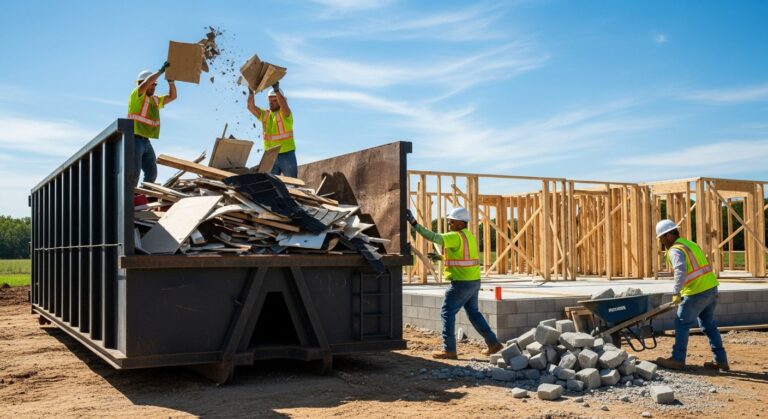
New home construction produces a staggering volume of debris. From lumber scraps and drywall offcuts to concrete rubble, roofing materials, and packaging, a typical 2,000-square-foot home can generate six to eight tons of waste. Without a dedicated disposal solution, this waste accumulates on the building site, creating trip hazards, attracting pests, and slowing down the work of subcontractors. Renting a dumpster keeps the site clean, reduces the number of trips to the landfill, and improves overall safety. It also helps builders comply with local waste regulations and avoid fines.
A dumpster on site centralizes debris collection, so workers spend less time hauling trash and more time on actual construction. This efficiency directly translates into labor savings and faster project completion. Moreover, a clean site reflects professionalism and can even impress potential buyers during walk-throughs. For these reasons, incorporating dumpster rental into the early planning phase is a smart investment for any new home build.
Types of Waste on a New Construction Site
Understanding the categories of waste your project will produce is critical for choosing the right dumpster and disposal methods. Common materials include:
- Clean wood (framing lumber, plywood, trims)
- Drywall (often recyclable but bulky)
- Metal scraps (rebar, pipes, wire)
- Concrete, block, and masonry
- Cardboard and plastic packaging
Each type has different disposal or recycling options. In our guide on Arkansas Construction Waste Segregation Best Practices, we detail how separating materials can reduce dumpster volume and save money. For example, clean wood can often be recycled into mulch, while concrete can be crushed and reused as aggregate. Segregating these streams before tossing them into a single dumpster may allow you to rent a smaller container or avoid extra weight charges.
Choosing the Right Dumpster Size for Your Project
Selecting the correct dumpster size is one of the most important decisions in construction waste management. Too small, and you will need frequent replacements or overfill fees. Too large, and you pay for unused space. The following are common sizes for new home construction:
- 10-yard dumpster: Suitable for small projects like a garage addition or minor renovations. Holds about 3 tons of debris.
- 20-yard dumpster: A good fit for medium-sized homes or partial builds. Can handle roughly 4-5 tons.
- 30-yard dumpster: The most popular choice for standard new home construction. Accommodates 5-6 tons of mixed debris.
- 40-yard dumpster: Best for large custom homes or projects with heavy materials like concrete and brick. Holds up to 8 tons.
Most builders find that a 30-yard dumpster works well for the entire build, provided they schedule one or two change-outs during key phases. However, if you are pouring a large concrete foundation, you may need a smaller, dedicated dumpster for concrete before the main container arrives. Always consult with your rental provider about expected debris volume and weight limits.
Dumpster Placement and Permits in Arkansas
Where you place the dumpster on the job site affects efficiency and compliance. Ideally, position the container close to the work area but away from heavy machinery access routes. Ensure the ground is level and firm enough to support the loaded weight. If the dumpster must be placed on a public street or sidewalk, you will need a permit from the local city or county.
- Check with city offices in Arkansas (e.g., Little Rock, Fayetteville, Bentonville) for specific permit requirements.
- Some rental companies can handle permit applications on your behalf, saving time.
- Avoid placing dumpsters under low-hanging power lines or near fire hydrants.
- Allow at least 15 feet of clearance for the delivery truck to maneuver.
Failure to obtain a street permit can result in fines and forced removal of the dumpster, which delays construction. Even on private property, make sure the placement does not block emergency access or violate neighborhood covenants. A quick call to your rental provider will clarify local rules.
Estimating Costs and Avoiding Hidden Fees
Dumpster rental costs for new home construction vary based on size, rental duration, location, and the type of waste. In Arkansas, a 30-yard dumpster typically costs between $350 and $600 for a standard 7-10 day rental. However, additional charges can arise if you exceed the weight limit or keep the dumpster longer than agreed.
To avoid surprise bills, follow these three tips:
- Ask about weight allowances: Most rentals include a set tonnage. Concrete and dirt are heavy, so if your project involves large amounts of those, request a higher weight limit or a separate container.
- Prohibited items list: Tires, batteries, paint, and hazardous materials are almost never allowed. Disposing of them in the dumpster can incur a penalty or the cost of special handling.
- Schedule pickups promptly: When the dumpster is full or the phase is complete, call for removal to avoid daily overage fees.
Some Arkansas companies offer flat-rate pricing that includes delivery, pickup, and a generous weight allowance. This is often the simplest option for builders who want predictable costs. Compare quotes from at least two providers to ensure competitive rates.
Scheduling Dumpsters to Match Construction Phases
New home construction proceeds through distinct phases, each generating different types of waste. Coordinating dumpster deliveries and pickups with these phases prevents overflow and reduces the need for multiple containers at once.
- Foundation and concrete phase: Expect heavy debris like broken concrete, rebar, and formwork. Rent a small container (10-15 yard) specifically for this material, as it is heavy and may exceed weight limits of a larger mixed-waste dumpster.
- Framing and roofing phase: This produces the largest volume of bulky waste: lumber offcuts, plywood scraps, shingles, and nails. A 30-yard dumpster is ideal here.
- Interior finishes phase: Drywall dust, trim waste, paint cans (empty and dry), and packaging dominate. A second 20-yard or 30-yard dumpster can handle this lighter but voluminous debris.
By phasing your dumpster rentals, you avoid having one container sit on site for weeks, collecting mixed debris that makes recycling harder. It also allows you to align pickup with subcontractor schedules, so the dumpster is removed right after the heavy work ends.
Safety and Compliance with Waste Disposal Rules
Construction sites are hazardous enough without adding waste-related risks. A well-managed dumpster area reduces the chance of injuries from sharp objects, tripping, or falling debris. Clear signage and a designated walkway around the dumpster keep workers safe.
Equally important is compliance with environmental regulations. The following items should never be placed in a standard construction dumpster:
- Asbestos-containing materials
- Liquid paints, solvents, and thinners
- Batteries (lead-acid or lithium)
- Tires and automotive fluids
- Any hazardous or flammable materials
In Arkansas, the Department of Environmental Quality oversees waste disposal. Unauthorized dumping of prohibited materials can result in significant fines. Always confirm with your rental provider the list of acceptable waste. If your project involves older structures being demolished as part of the new build, have a professional test for asbestos before any demolition begins.
Without a solid waste management plan, new home construction projects risk delays and cost overruns. By integrating dumpster rental into your build schedule, you maintain a clean, safe site and keep the project moving forward. Choose a reliable Arkansas dumpster rental partner that understands local rules and offers flexible sizes and scheduling. With the right approach, waste becomes a manageable part of construction rather than a headache.