Construction projects in Arkansas generate thousands of tons of debris every year. Without proper sorting, that waste heads straight to landfills, driving up disposal fees and increasing environmental harm. Segregating materials at the source not only cuts costs but also keeps your job site compliant with state regulations. Whether you are renovating a home in Little Rock or managing a commercial build in Fayetteville, following construction waste segregation best practices Arkansas contractors rely on can transform how you handle debris. The key is a structured approach that saves time, money, and resources.
Why Segregation Matters on Arkansas Job Sites
Separating waste might seem like an extra step, but the payoff is significant. Arkansas landfills charge higher rates for mixed loads, and some materials, such as untreated wood and scrap metal, can be recycled at a lower cost or even generate revenue. Additionally, the Arkansas Department of Environmental Quality (ADEQ) enforces rules that encourage diversion of construction and demolition (C&D) debris. Failure to comply can result in fines and project delays. By adopting a segregation plan, you also reduce the risk of contaminating recyclable streams, which improves the value of materials sent to processing facilities.
Beyond financial and regulatory benefits, segregation supports sustainability goals. Many clients and municipalities now require a minimum percentage of waste diversion. Implementing best practices from the start positions your company as a responsible partner. For a deeper look at handling demolition materials, refer to our guide on Arkansas Demolition Debris Segregation Best Practices. That resource covers specific techniques for tear-down projects, while this article focuses on general construction waste.
Key Waste Streams in Arkansas Construction Projects
Understanding what materials you will encounter is the first step toward effective segregation. Most job sites produce a mix of the following categories, each requiring a different disposal or recycling path.
- Wood , Clean lumber, pallets, and plywood can often be chipped for mulch or sent to biomass facilities. Treated wood must be separated due to chemical content.
- Metal , Steel studs, copper wire, aluminum siding, and rebar are highly recyclable and may fetch a payment from scrap yards.
- Concrete and Masonry , These heavy materials can be crushed and reused as road base or aggregate. Never mix with other waste.
- Drywall , Gypsum board can be recycled into new drywall or soil amendment if kept clean. Contaminated drywall (painted or wallpaper) often requires landfill disposal.
- Cardboard and Paper , Boxes and paper packaging are easy to recycle but must be kept dry and free of food waste and tape residue.
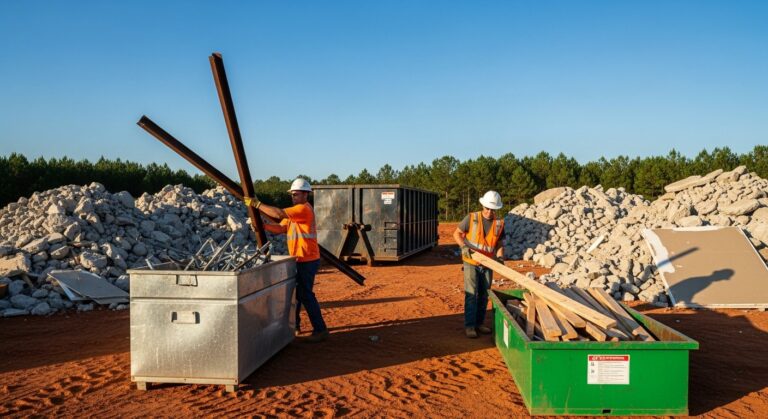
Each stream demands dedicated containers. Mixing, for example, wood with drywall ruins both recycling opportunities. Planning separate bins or designated areas on site allows crews to sort as they go, reducing post-job cleanup time.
Step-by-Step Segregation Process
To implement construction waste segregation best practices Arkansas project managers trust, follow a clear sequence. The process works for both small remodels and large developments.
- Conduct a Pre-Project Audit , Walk the site and estimate the volume and types of debris expected. Identify local recycling centers and transfer stations that accept each material. Note any hazardous items like paint, solvents, or asbestos that require special handling.
- Set Up Designated Sorting Zones , Label roll-off dumpsters, bins, or areas for each waste stream. Use color-coded signs and clear instructions. For tight spaces, consider a single bin with internal dividers or schedule sequential pickups for different materials.
- Train the Crew , Hold a brief orientation before work begins. Explain what goes where and why. Emphasize that mixing materials can void recycling contracts and increase costs. Provide quick reference cards or posters near each bin.
- Monitor and Adjust During the Project , Assign a person to check bins daily for contamination. If you spot drywall in the wood bin, pull it out immediately. As the job progresses, you may need to add extra containers for an unexpected stream like foam insulation.
- Coordinate Hauling and Tracking , Schedule pickups based on how fast each container fills. Keep weight tickets and recycling receipts for compliance documentation. Some Arkansas facilities offer volume-based discounts for sorted loads.
This systematic approach reduces the chance of errors. It also makes it easier to report diversion rates to clients or regulatory bodies. Over time, the discipline becomes second nature to the crew.
Common Mistakes to Avoid
Even experienced contractors slip up. Knowing the pitfalls helps you stay on track. Below are frequent errors that undermine segregation efforts.
- Assuming all wood is recyclable , Treated, painted, or pressure-treated lumber usually goes to a landfill. Check with your local facility first.
- Placing hazardous waste in regular bins , Batteries, aerosol cans, and oil filters must be handled separately. A hazmat violation can shut down a job site.
- Waiting until the end of the project to sort , Back-end sorting is labor-intensive and rarely effective. Segregate as debris is generated.
- Using the same hauler for everything , Some haulers specialize in mixed loads, others in single-stream recycling. Compare services to match your needs.
By avoiding these missteps, you maintain the integrity of your segregation program. Regular toolbox talks can reinforce the rules and address new challenges that arise on site.
How Dumpster Rentals Simplify Segregation
Having the right containers is essential for execution. Professional dumpster rental services in Arkansas offer multiple dumpster sizes and flexible scheduling that align with segregation plans. For example, you can rent a 10-yard container for concrete and a 20-yard for wood, with separate pickups as needed. This eliminates the hassle of managing multiple vendors and ensures each stream goes to the correct facility.
Companies like ours provide clear guidance on what can and cannot go in each dumpster, helping you avoid contamination fees. We also assist with documentation for recycling credits. When you pair a solid segregation strategy with reliable dumpster logistics, the entire waste management process becomes smoother. Our team works with contractors across the state to tailor solutions that fit project timelines and budgets.
Staying Compliant with Arkansas Environmental Rules
ADEQ regulates C&D waste through its solid waste management program. While the state does not mandate a specific segregation protocol, it encourages diversion through recycling incentives and landfill bans on certain materials. For instance, whole tires, lead-acid batteries, and some electronics are prohibited from disposal. Segregation helps you identify and divert these items.
Additionally, many Arkansas counties and cities have their own ordinances. The City of Bentonville, for example, requires construction projects over a certain square footage to submit a waste management plan. Keeping detailed records of your segregation activities proves compliance and can expedite permitting. Investing time in learning local rules pays off when inspectors visit the site.
One practical tip: designate a separate container for universal waste like fluorescent bulbs and mercury-containing devices. These items need special handling but are often overlooked. By incorporating them into your segregation plan, you avoid regulatory headaches.
Adopting construction waste segregation best practices Arkansas wide is not just about following rules. It is a strategic move that reduces costs, boosts your reputation, and protects the environment. Start with a clear plan, train your team, and partner with a dumpster provider that understands the local landscape. The result is a cleaner job site, happier clients, and a more profitable operation.