
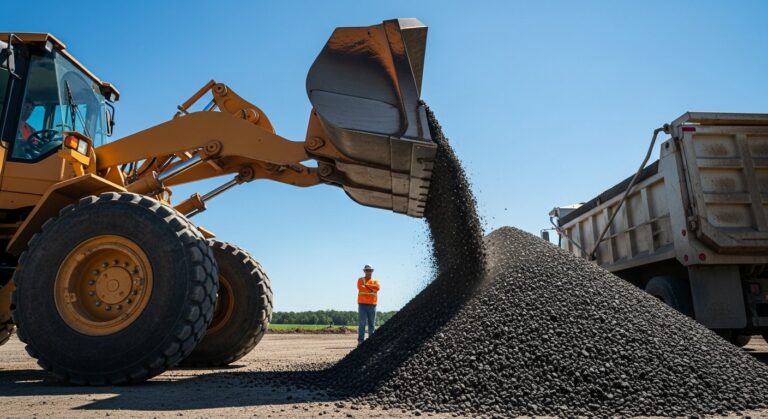
For contractors across Arkansas, managing demolition and resurfacing waste has become a significant line item. Asphalt concrete from old driveways, parking lots, and road sections piles up fast. Hauling it to a landfill is expensive and wasteful. Recycling asphalt concrete offers a smarter path. This Arkansas contractor guide walks through the practical steps, environmental benefits, and cost savings of turning old pavement into reusable aggregate.
Why Recycling Asphalt Concrete Matters in Arkansas
Arkansas produces millions of tons of asphalt pavement each year from road maintenance, commercial development, and residential projects. Sending this material to a landfill consumes space and adds trucking costs. Recycled asphalt concrete (RAC) can replace virgin aggregate in new hot mix asphalt, base course, and even unpaved roads. The Arkansas Department of Transportation has long supported RAC use in state projects. Contractors who adopt this practice reduce disposal fees and create a secondary revenue stream.
Beyond cost, there is a regulatory angle. Many Arkansas counties now encourage or require recycling of construction and demolition debris. Landfill tipping fees for asphalt concrete vary by location but often exceed $40 per ton. Recycling typically costs less or even generates income. The state climate also plays a role: Arkansas summers create high demand for asphalt repairs, meaning a steady supply of millings and tear-off material. A contractor who establishes a recycling process early gains a competitive edge.
Types of Asphalt Concrete Suitable for Recycling
Not all asphalt concrete is created equal. Understanding what can go into the recycling stream is the first step. Here are the common categories:
- RAP (Reclaimed Asphalt Pavement): Milled or ripped-up pavement from roads, parking lots, and driveways. This is the most common and easiest material to recycle.
- Shingle Waste: Asphalt shingles from roofing tear-offs. These contain similar binders and aggregate. They require special processing to remove nails and other debris.
- Pavement with Geotextiles: Some modern roads include fabric layers. These can complicate recycling because the fabric contaminates the aggregate. Separate or avoid this material.
Most asphalt concrete contains 5 to 6 percent asphalt binder by weight. That binder retains value. When processed correctly, it can replace a portion of the virgin binder in new mixes, saving money and reducing petroleum use. The aggregate itself is high-quality stone that holds up well to repeated recycling. In fact, RAP can be recycled multiple times without significant loss of performance if blended properly.
Step-by-Step Process for Recycling Asphalt Concrete
1. Source Separation and Stockpiling
The key to quality recycled material is keeping it clean. Separate asphalt concrete from concrete, brick, soil, and organic matter at the job site. Use dedicated roll-off containers or a designated area on the trailer. In our guide on Little Rock dumpster rental for contractors, we explain how segregating materials at the source reduces contamination and lowers disposal costs. Once separated, stockpile the material on a hard, well-drained surface to avoid mixing with dirt. Cover the pile if possible to keep moisture content consistent.
2. Crushing and Screening
After stockpiling, the asphalt concrete goes through a crusher. A jaw crusher or impact crusher breaks the material down to a manageable size. A screen then separates it into different grades: coarse (2-inch minus), medium (1-inch minus), and fine (3/8-inch minus). The finer fractions are often used for new asphalt mix; the coarser fractions work well for base or subbase layers. Some contractors invest in portable crushers for on-site processing, which eliminates hauling altogether. Others rely on regional recycling centers that accept RAP for a fee or share the processed material.
3. Quality Control and Testing
Recycled asphalt concrete must meet specifications. Key tests include gradation (particle size distribution), asphalt binder content, and moisture content. Arkansas DOT has standard specifications for RAP in hot mix asphalt. Private contractors should request a sieve analysis and binder extraction test from a certified lab. This data ensures the recycled material performs like virgin aggregate. Most reputable recycling centers provide test results with each load.
4. Reuse in New Applications
Once processed, RAC can go into:
- Hot Mix Asphalt: Up to 30 percent RAP is common in state projects; some mixes use 50 percent or more.
- Cold Mix Asphalt: Used for temporary patches and low-volume roads. RAP can make up 100 percent of the aggregate.
- Unpaved Roads and Driveways: Crushed RAP compacts well and sheds water, making it an excellent surface material for farm lanes and temporary access roads.
- Base Course: Larger RAP fractions substitute for virgin stone base under new pavement or concrete slabs.
Each application has its own performance requirements. A contractor should match the processed RAP to the right end use to avoid quality issues.
Cost and Revenue Considerations for Arkansas Contractors
Recycling asphalt concrete changes the financial math of a project. Disposal costs disappear. Instead of paying $40 per ton to dump, the contractor might pay $10 per ton for processing or even sell the raw material to a recycler. Processed RAP sells for $8 to $15 per ton depending on grade and location. That compares to $20 to $35 per ton for virgin aggregate. The savings compound over multiple projects.
Equipment costs are the main barrier. A portable crushing plant can cost $100,000 to $500,000. However, many Arkansas contractors partner with a mobile crushing service that brings equipment on-site for a per-ton fee. This eliminates capital outlay while still capturing the benefit. Another option is to haul RAP to a fixed recycling facility. Arkansas has several regional recyclers, particularly around Little Rock, Fayetteville, and Jonesboro. Checking local listings for RAP acceptance policies is worthwhile.
There is also the potential for tax incentives. Some Arkansas counties offer reduced tipping fees or tax credits for construction waste recycling. The Arkansas Department of Environmental Quality (ADEQ) provides guidance on beneficial use determinations for recycled materials. Contractors who document their recycling efforts can use them in marketing as a green credential. Many commercial clients now require sustainability reporting; being able to show asphalt recycling rates strengthens a bid.
Environmental and Community Benefits
Recycling asphalt concrete reduces the demand for mining virgin aggregate. This preserves Arkansas’s natural landscapes and reduces truck traffic on rural roads. One ton of RAP saves roughly one ton of virgin aggregate and about 0.05 tons of asphalt binder. Over a large parking lot resurfacing, that can mean dozens of tons of material kept out of landfills and hundreds of miles of truck trips avoided.
The energy savings are also significant. Producing hot mix asphalt from virgin materials requires heating the aggregate to 300 degrees Fahrenheit or more. When RAP is added, it reduces the amount of virgin material that needs heating, lowering fuel consumption and greenhouse gas emissions. The National Asphalt Pavement Association estimates that using RAP saves 20 to 40 percent in energy compared to all-virgin mixes. For Arkansas contractors looking to meet sustainability goals or LEED certification requirements, this is a measurable impact.
Common Challenges and How to Overcome Them
Recycling asphalt concrete is not without hurdles. The most common issues Arkansas contractors face include:
- Contamination: Dirt, grass, concrete, and trash reduce RAP quality. Solution: train crews to separate materials at the source and use dedicated containers.
- Moisture Variability: Wet RAP is heavier to haul and harder to process. Solution: stockpile under cover or on a sloped pad that drains well.
- Specifications: Some clients require virgin-only material for high-traffic pavements. Solution: educate clients on the performance of RAP and offer a blended option that meets the spec.
- Logistics: Hauling RAP to a distant recycler eats into savings. Solution: partner with a mobile crusher or negotiate a shared processing agreement with a nearby contractor.
Each of these can be managed with planning. A simple written protocol for job-site waste segregation can prevent most contamination problems. Building a relationship with a local recycler or crusher operator ensures consistent processing capacity.
Regulatory Landscape in Arkansas
Arkansas regulates solid waste under ADEQ. Asphalt concrete is generally classified as a non-hazardous solid waste. However, if it comes from a site with known contamination (e.g., old industrial areas), testing for hazardous constituents may be required. For most road and parking lot projects, the material is clean and can be recycled without special permits.
The Arkansas Department of Transportation (ARDOT) has standard specifications for RAP in hot mix asphalt. Contractors working on state-funded projects must follow these specs. For private work, owners often adopt ARDOT standards or similar guidelines from the Asphalt Institute. It is wise to check with the local city or county public works department for any additional ordinances. Some municipalities in Arkansas require a permit for processing equipment on-site, even for temporary crushers. A quick call to the county planning office avoids fines.
Choosing a Recycling Partner or Equipment
If you decide to process your own RAP, start with a small portable crusher and screen. Many manufacturers offer rental options. This allows you to test the market without a large investment. Alternatively, contract with a mobile crushing service. Look for a company with experience in asphalt recycling specifically. They will know how to adjust the crusher settings for optimal RAP gradation and binder preservation.
If you prefer to send material to a fixed facility, ask for references from other contractors. Check the facility’s stockpile management practices. A clean operation will have covered or paved stockpile areas, clear separation of material types, and regular testing. Avoid facilities that mix asphalt concrete with demolition debris or soil; the resulting product will be low quality.
For contractors who generate smaller volumes (under 500 tons per project), hauling to a recycler is usually the most cost-effective choice. The per-ton fee is often lower than landfill tipping fees, and you avoid equipment maintenance costs. Over time, building a relationship with a recycler can lead to volume discounts or even purchase options for processed RAP at a reduced rate.
Marketing Your Recycling Capability
Once you have a recycling process in place, promote it. Include the service in your project proposals. Highlight the cost savings and environmental benefits. Many property owners and developers are willing to pay a slight premium for a contractor who reduces landfill waste. You can also offer to supply processed RAP to other contractors or homeowners for driveways and base material. This creates an additional revenue stream and positions you as a full-service provider.
Update your website and social media profiles with case studies. Show before-and-after photos of a parking lot where you recycled the old asphalt and laid new mix containing RAP. Mention the tonnage diverted from the landfill. This builds trust and authority. In a competitive market like Arkansas, being the contractor who can recycle asphalt concrete on-site can be the edge that wins the bid.
Recycling asphalt concrete is not just an environmental choice. It is a practical business decision that lowers costs, improves project efficiency, and opens new market opportunities. Arkansas contractors who adopt this practice today will be ahead of the curve as regulations tighten and material costs rise. Start with a small project, build the process, and scale from there.