
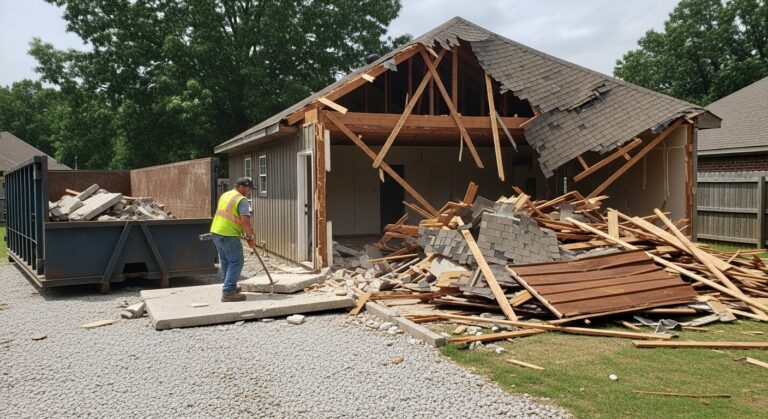
Demolishing an old shed or garage in Arkansas can feel like a huge win for your property. You reclaim space, remove an eyesore, and potentially boost your home’s value. But the moment the walls come down, you are left with a pile of debris that must go somewhere. Many homeowners underestimate the complexity of legal disposal. A shed or garage tear-down creates a specific mix of materials: treated lumber, asphalt shingles, concrete slabs, metal roofing, and possibly hazardous items like old paint cans or propane tanks. Dumping these in a regular household trash bin is often illegal, and hauling them to a landfill without proper sorting can lead to surprise fees. This step by step guide walks you through the entire process of shed garage demolition waste disposal in Arkansas, from initial planning to final cleanup, so you avoid fines, stay safe, and keep your project on budget.
Step 1: Assess the Scope of Your Demolition Waste
Before you swing a sledgehammer, walk around the structure and identify every material type. A typical shed or garage in Arkansas contains pressure-treated lumber (which cannot be burned or sent to standard landfills in many counties), plywood, asphalt or metal roofing, concrete or gravel flooring, siding (vinyl, wood, or fiber cement), windows, doors, and possibly insulation. You may also find leftover chemicals, motor oil, or batteries stored inside. Make a list of these items because each category has a different disposal path. For example, concrete and brick can often be recycled as clean fill, while treated wood must go to a construction and demolition (C&D) landfill. Knowing your waste profile early prevents last-minute sorting and extra trips.
Step 2: Check Local Arkansas Regulations and Permits
Arkansas does not have a single statewide demolition waste law. Instead, rules vary by county and municipality. Cities like Little Rock, Fayetteville, and Fort Smith have specific ordinances for demolition debris. You may need a demolition permit if the structure is attached to a foundation or exceeds a certain size. Contact your local building department or county solid waste office. Ask them three questions: Do I need a permit to demolish this structure? What types of debris can go to the local landfill? Are there special drop-off centers for hazardous materials? Some Arkansas counties offer free or low-cost household hazardous waste events a few times a year. Scheduling your demolition to align with one of these events can save you money and reduce illegal dumping risk. Keep a copy of any permits on site during demolition.
Step 3: Separate Hazardous Materials Immediately
Hazardous waste is the most regulated category. Items like oil-based paints, solvents, pesticides, fluorescent light bulbs, batteries, and propane tanks cannot go in a standard dumpster or landfill. Arkansas law requires these to be handled separately. Set up a dedicated container or area away from the main debris pile. Label it clearly. If you are unsure whether a material is hazardous, treat it as hazardous until you confirm otherwise. Many Arkansas counties have permanent household hazardous waste facilities. For example, Pulaski County operates a regional collection center. Check hours and fees before you go. Some items like old gasoline or motor oil can be taken to auto parts stores for recycling. Removing hazardous materials early also protects the crew and prevents contamination of recyclable materials like metal or concrete.
Step 4: Choose Your Disposal Method
You have four main options for shed garage demolition waste disposal in Arkansas. Each has pros and cons depending on volume, timeline, and budget. Here is a quick comparison to help you decide.
- Roll-off dumpster rental. Best for medium to large projects (10 to 30 cubic yards). You order a dumpster, fill it over a few days, and the company hauls it away. Ideal if you have driveway access and can keep debris contained.
- Bagster or small bag service. Works for small sheds (under 3 cubic yards). You buy a heavy-duty bag from a home improvement store, fill it, and schedule a pickup. Convenient but expensive per cubic yard.
- Self-haul to a C&D landfill. You load everything into a truck and drive to an approved facility. Cheapest if you have a truck and free time, but you must sort materials at the landfill gate.
- Hire a full-service demolition company. They handle tear-down, loading, and disposal. Most expensive but least labor-intensive. Good if you cannot physically do the work.
For most Arkansas homeowners tackling a garage or shed, a roll-off dumpster rental offers the best balance of cost and convenience. You avoid multiple trips to the landfill and the risk of mixing prohibited items. If you choose self-haul, call the landfill first to confirm they accept all your materials and ask about fees for items like tires or mattresses that might be mixed in.
Step 5: Rent the Right Dumpster or Arrange Pickup
Once you know your disposal method, take action early. Dumpster sizes for demolition typically range from 10 to 20 cubic yards. A 10-yard dumpster holds about three pickup truck loads. That is enough for a small wooden shed. A 20-yard dumpster works for a two-car garage with concrete floor. When you call a rental company like The Real Deal Dumpsters, tell them exactly what materials you will dispose of. Ask if they accept roofing shingles, concrete, and treated wood. Some companies have weight limits or charge extra for heavy materials. Confirm the rental period (usually 7 to 14 days) and whether you need a permit if the dumpster sits on the street. Schedule delivery a day or two before you start demolition. This way, you can toss debris directly into the container without piling it on the ground.
Step 6: Demolish Safely and Load Strategically
Safety first. Wear gloves, safety glasses, steel-toed boots, and a dust mask. Remove doors and windows before taking down walls. Use a pry bar, sledgehammer, and reciprocating saw for most materials. If you are removing a concrete foundation, you may need a jackhammer or a heavy equipment rental. Load the dumpster or truck evenly. Place heavy items like concrete and brick at the bottom, then layer lighter debris on top. Do not overfill the container. Most dumpsters require debris to be level with the top edge. Overfilling can result in extra fees or refusal of pickup. Break down long boards and metal panels so they lie flat. Keep a separate pile for metals like aluminum siding, steel roofing, or copper pipes. Many scrap yards in Arkansas pay for these materials, which can offset your disposal costs. Set aside any reusable items like windows, doors, or lumber. List them on a local buy-nothing group or marketplace. One person’s trash is another’s treasure, and keeping usable materials out of the landfill is good for the environment and your wallet.
Step 7: Transport and Dispose of Non-Dumpster Items
Even with a dumpster, you may have items that cannot go inside. Hazardous waste, as mentioned, needs separate handling. Also, large metal pieces may be better taken directly to a scrap yard for cash. If you have clean concrete or brick without rebar, some Arkansas recycling centers accept it for crushing into road base. Call ahead to confirm drop-off hours and any fees. For electronics, appliances, or tires that came out of the garage, check if your dumpster rental company accepts them. Many do not. In that case, take them to a dedicated recycling center. In our guide on e-waste disposal in Arkansas: dumpster vs recycling centers, we explain how to handle electronics and appliances properly. Knowing these options ahead of time prevents last-minute scrambling.
Step 8: Clean Up the Site and Final Grading
After the debris is gone, inspect the demolition site. Remove any nails, screws, or broken glass from the soil. Use a magnet sweeper for hidden metal fragments. If you removed a concrete slab, you will have a depression. Fill it with clean fill dirt or gravel, tamp it down, and grade it to match the surrounding ground. This prevents water pooling and foundation issues later. Seed or sod the area if you want grass. If you plan to build a new structure, consider having the soil tested for contamination, especially if the old garage had oil stains or chemical storage. A simple soil test kit from a garden center can detect heavy metals. This step is often overlooked but critical for future use of the space.
Step 9: Keep Records for Permits and Taxes
Save your disposal receipts, landfill tickets, and dumpster rental invoices. If you hired a contractor, get a detailed invoice showing disposal fees. These records serve two purposes. First, if a local inspector questions your demolition, you can prove waste was disposed of legally. Second, if the demolition was part of a home improvement project, you may be able to include disposal costs in your tax basis when you sell the home. Check with a tax professional, but keeping organized records never hurts. Snap photos of the demolition process and the loaded dumpster. These images can also help if there is a dispute about weight or prohibited items.
Step 10: Consider Professional Help for Large or Difficult Projects
If your garage is attached to your house, has asbestos siding, or is over 500 square feet, consider hiring a licensed demolition contractor. Asbestos is a serious health hazard and requires specialized abatement. Arkansas law mandates that only certified professionals handle asbestos removal. Do not attempt to remove asbestos-containing materials yourself. Similarly, if the structure is near utility lines or a gas meter, professional help reduces risk. A contractor will also handle all permits, disposal logistics, and site cleanup. While it costs more upfront, it eliminates the headache of coordinating multiple disposal streams. For most standalone sheds and detached garages, a DIY approach with a dumpster rental is perfectly manageable.
Demolishing a shed or garage in Arkansas does not have to be a stressful ordeal. By following this step by step guide, you can manage shed garage demolition waste disposal in Arkansas efficiently, legally, and safely. The key is planning ahead, separating hazardous materials early, choosing the right disposal method for your volume, and keeping records. Whether you rent a roll-off dumpster, self-haul, or hire a pro, the result is a clean, level site ready for your next project. Take it one step at a time, and you will have that old structure gone without the headache of illegal dumping or surprise costs.