When you manage a construction site, a large-scale cleanout, or an industrial project in Arkansas, waste management is not an afterthought. It is a central part of keeping your timeline on track and your site safe. For most commercial operations, a standard residential dumpster simply will not cut it. You need the capacity and durability of a commercial rolloff rental. Understanding how to secure the right container for your specific project can save you money, prevent delays, and keep you compliant with local regulations. This guide walks you through the essential factors for commercial rolloff rental in Arkansas, from sizing and pricing to permits and placement.
Why Commercial Projects Require Specialized Rolloff Containers
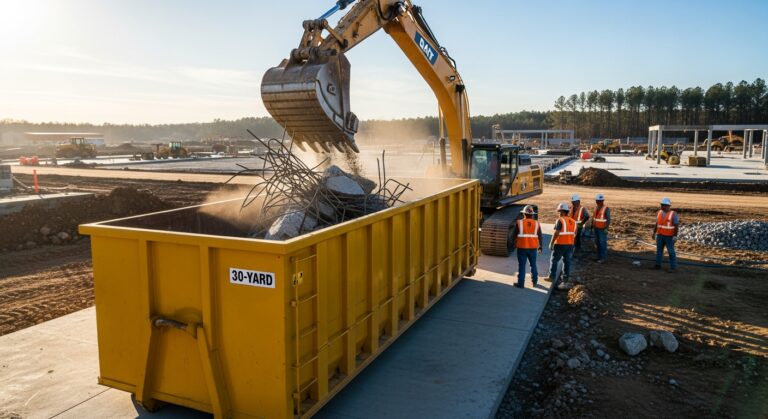
Commercial rolloff containers are built differently than the bins you see outside a home renovation. They are designed to handle heavier loads, rougher materials, and longer rental periods. In Arkansas, where construction and industrial activity ranges from new residential subdivisions to large-scale commercial developments, the demand for reliable waste management is high. A commercial rolloff rental in Arkansas typically offers containers ranging from 20 to 40 yards, with reinforced rails and heavy-duty hinges to withstand repeated use by excavators and loaders.
One key difference is the weight allowance. Commercial rentals often include higher tonnage limits because the debris from concrete, steel, and mixed construction waste is significantly denser than household trash. Exceeding weight limits can lead to expensive overage fees, so it is critical to discuss your expected debris type with the rental provider before signing a contract. Many contractors in Arkansas have learned this lesson the hard way, especially when disposing of demolition materials from older buildings that contain brick, block, or rebar.
Another consideration is the delivery and pickup logistics. Commercial rolloff containers are typically placed on job sites for longer durations, sometimes weeks or months. The rental company must be able to drop the container in a location that allows for safe loading without obstructing other site operations. In tight urban areas like Little Rock or Fayetteville, this can require coordination with local traffic authorities. For a deeper look at sizing and cost considerations across the state, refer to our complete guide to dumpster rental in Arkansas: sizes, costs, and tips.
Sizing Your Commercial Rolloff Container Correctly
Choosing the right size for your commercial rolloff rental in Arkansas is a balancing act. Underestimating the volume means you will need multiple hauls, which drives up transportation costs. Overestimating means you pay for unused capacity. The most common sizes for commercial work are 20-yard, 30-yard, and 40-yard containers. Each serves a different purpose, and understanding the typical waste stream for your project will guide your decision.
20-Yard Containers for Medium-Scale Projects
A 20-yard rolloff is often used for medium-sized commercial renovations, roof tear-offs, and office cleanouts. It holds roughly 110 to 130 standard trash bags. This size is ideal when you are dealing with mixed debris that is not extremely heavy, such as drywall, wood framing, and carpeting. In Arkansas, many small commercial contractors choose this size for tenant improvements in retail spaces or light industrial maintenance. It fits well in a standard parking lot space and does not require a massive footprint.
30-Yard Containers for Larger Loads
The 30-yard container is the workhorse of commercial construction. It handles approximately 170 to 190 bags of waste and is commonly used for new home construction, large demolition projects, and commercial building remodels. This size is particularly popular in Arkansas for projects that generate bulky items like furniture, large appliances, and significant amounts of lumber. Because it is taller than a 20-yard unit, it requires more vertical clearance for delivery and pickup. Always check for overhead wires or tree branches before scheduling placement.
40-Yard Containers for Major Industrial and Demolition Work
A 40-yard rolloff is the largest standard container available. It holds about 230 to 250 bags of waste and is used for major construction projects, industrial plant cleanouts, and large-scale demolition. In Arkansas, this size is frequently seen on highway construction sites, large commercial developments, and factory renovations. The 40-yard container has a high volume capacity but also a significant weight limit. If you are filling it with heavy materials like concrete or dirt, you will likely hit the weight limit before the container is physically full. Work with your rental provider to calculate the estimated weight of your debris to avoid overage charges.
Understanding Pricing and Avoiding Hidden Fees
Pricing for a commercial rolloff rental in Arkansas typically depends on three factors: container size, rental duration, and the type of waste being disposed of. Most companies offer a flat rate that includes delivery, pickup, and a set number of days. However, there are common surcharges that can catch you off guard if you are not prepared.
Here are some key cost factors to ask about before you book:
- Overage fees: If your load exceeds the agreed-upon weight limit, you will be charged per ton over that limit. This is the most common unexpected cost for commercial projects.
- Extended rental periods: Most standard rates cover 7 to 14 days. If your project runs longer, daily or weekly extension fees apply. Negotiate a longer initial period if you know your timeline is tight.
- Prohibited items: Certain materials, such as hazardous waste, tires, batteries, and refrigerants, cannot be placed in a standard rolloff. If these items are found in your container, you may face a cleanup fee or a separate disposal charge.
- Permit costs: If the container must be placed on a public street or sidewalk, your local municipality may require a permit. In Arkansas, cities like Little Rock and Rogers have specific permit requirements and associated fees.
To get an accurate quote, provide the rental company with as much detail as possible about your project. Tell them the type of debris (construction, demolition, mixed), the estimated volume, and the expected duration. A reputable provider will give you a transparent breakdown of all charges upfront. Avoid companies that give vague estimates over the phone without asking about your specific waste stream.
Permits and Regulations for Commercial Rolloff Placement
Compliance with local regulations is a non-negotiable part of any commercial rolloff rental in Arkansas. The rules vary by city and county, so you cannot assume that what worked in one jurisdiction will apply in another. The most common requirement is a street occupancy permit if the container will be placed on public property. In many Arkansas cities, you must apply for this permit several days in advance, and the fee can range from $25 to $100 depending on the location and duration.
If the container is placed on private property, such as a construction site or a commercial parking lot, a permit is typically not required. However, there may still be restrictions regarding proximity to fire hydrants, visibility at intersections, and clearance for emergency vehicles. Always check with the local planning or public works department before delivery. Many rental companies in Arkansas can guide you through this process, but the responsibility for obtaining the permit ultimately falls on the person or business renting the container.
Another regulation to consider is the disposal of specific waste types. The Arkansas Department of Environmental Quality (ADEQ) has rules about the disposal of construction and demolition debris, especially if it contains asbestos, lead-based paint, or other hazardous materials. If your project involves older buildings, you may need to have the waste tested and disposed of at a specialized facility. Discuss this with your rental provider early in the planning stage to avoid having a full container rejected at the landfill.
Choosing the Right Rental Provider in Arkansas
Not all rolloff rental companies are the same. When you are investing in a commercial rolloff rental in Arkansas, you want a provider that offers reliability, transparency, and local knowledge. Look for a company that has experience working with commercial contractors and understands the unique challenges of Arkansas job sites. Ask about their fleet age and maintenance schedule. A well-maintained container is less likely to have issues with doors that do not latch or rails that are bent, which can cause delays on your site.
Customer service is another critical factor. Commercial projects often have changing timelines and unexpected needs. A responsive rental company that can accommodate early pickups, late drop-offs, or emergency swaps is worth a premium. Read online reviews and ask for references from other contractors. In Arkansas, word of mouth is strong in the construction community, and a provider with a solid reputation will have a track record of satisfied customers.
Finally, consider the company’s disposal network. Some providers own their own landfills or transfer stations, which can lead to lower disposal costs and more consistent pricing. Others rely on third-party facilities, which can introduce variability in fees. Ask where your waste will be taken and whether the company offers recycling options for materials like metal, cardboard, and clean wood. Many Arkansas projects are striving for LEED certification or other green building standards, and a rental partner that supports recycling can help you meet those goals.
Best Practices for Loading and Safety
Once your commercial rolloff container arrives, how you load it affects both safety and cost. The golden rule is to distribute weight evenly and avoid overfilling. When debris is piled above the top rim of the container, it creates a hazard during transport and may violate local ordinances. Most rental companies require that the load be level with the top of the container. Overfilled containers can result in additional fees or even refusal of pickup.
For heavy materials like concrete or brick, place them at the bottom of the container. Lighter materials like wood and drywall can go on top. This lowers the center of gravity and reduces the risk of the container tipping when being lifted onto the truck. If you are using heavy equipment to load the container, ensure that the operator is trained to drop materials gently to avoid damaging the container walls. A dented rolloff can be difficult to open and close, leading to delays on subsequent pickups.
Safety also extends to the placement of the container itself. Make sure the ground is level and stable. Soft ground, especially after rain, can cause the container to sink or tilt. In Arkansas, where clay soil is common, this is a real concern during wet months. Placing plywood or railroad ties under the container’s skids can prevent it from sinking and make pickup easier. Keep the area around the container clear of debris and equipment so the delivery truck has easy access.
Another important safety practice is to never put prohibited items in the container. Common prohibited items include paint cans with liquid, solvents, chemicals, asbestos, tires, and batteries. If you are unsure whether a material is allowed, ask your rental provider before disposing of it. Many providers offer separate disposal options for certain materials, such as electronics recycling or hazardous waste collection, for an additional fee. It is better to handle these items separately than to contaminate your entire load and face fines.
Finally, communicate with your crew. Post clear signage near the container indicating what can and cannot be thrown in. In a busy commercial environment, multiple subcontractors may be using the same container. A simple laminated list can prevent costly mistakes. Hold a brief safety meeting before the container arrives to ensure everyone understands the rules. This small investment in communication can save you hundreds of dollars in penalties and keep your project moving smoothly.
Commercial rolloff rental in Arkansas is a straightforward process when you approach it with the right information. By choosing the correct size, understanding pricing, securing necessary permits, and loading the container properly, you can keep your project on schedule and within budget. The key is to partner with a knowledgeable provider who will work with you from planning through final pickup. With the right preparation, waste management becomes one less thing to worry about on your job site.