For residents and business owners in Brookland, managing waste effectively is more than just a weekly chore it’s a critical part of maintaining our neighborhood’s charm, environmental health, and community compliance. Navigating the specifics of local waste disposal can often feel confusing, with different rules for recycling, bulk items, and hazardous materials. This comprehensive guide breaks down everything you need to know about efficient, responsible, and cost-effective waste management right here in our community. From understanding your collection schedule to mastering recycling do’s and don’ts, we’ll provide the clarity you need to dispose of waste correctly and contribute to a cleaner, greener Brookland.
Understanding Brookland’s Residential Waste Collection System
Brookland operates a structured municipal waste collection service designed to serve its residential neighborhoods efficiently. Most single-family homes and multi-unit dwellings receive regular curbside pick-up for trash and recycling. The cornerstone of this system is adherence to a published schedule, which designates specific days for trash, recycling, and yard waste collection. This schedule can vary by street, so it is vital for residents to verify their exact collection days, which are typically available on the District’s Department of Public Works (DPW) website or through local community boards. Missing a collection day due to confusion can lead to overflowed bins, potential fines, and neighborhood eyesores. Consistency is key; placing your bins at the curb by 6:00 AM on your designated day ensures the collection crews can service your home without disruption.
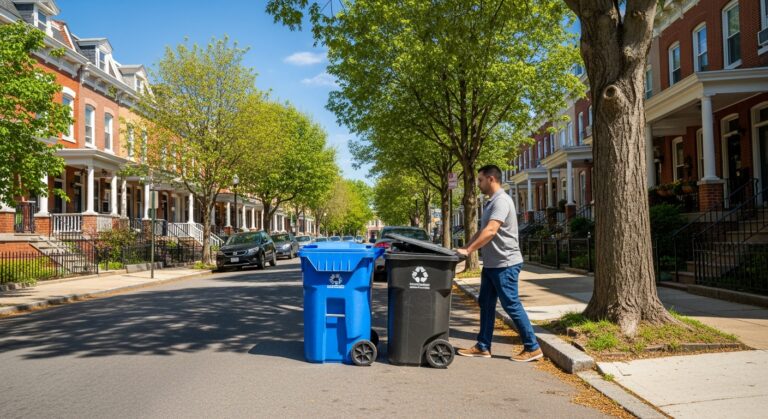
Beyond the basic schedule, the system includes specific guidelines for containerization. Trash must be placed in sturdy, lidded containers or official DPW-issued rolling carts. Recyclables should be placed in separate, clearly marked bins or blue bags, free of contamination from food waste or non-recyclable plastics. Yard waste, including grass clippings, leaves, and small branches, has its own separate collection stream and must be placed in paper bags or designated cans without plastic liners. Understanding these container rules is the first step toward seamless Brookland waste disposal. Failure to comply not only burdens the sanitation workers but can result in items being left at the curb, requiring you to store them for another week or seek alternative disposal methods.
Recycling Right: A Critical Component of Local Sustainability
Recycling contamination is a significant challenge for municipalities nationwide, and Brookland is no exception. When non-recyclable items are placed in the blue bin, they can contaminate entire truckloads of otherwise good recyclables, sending them all to the landfill. For Brookland residents, mastering the local recycling guidelines is a direct contribution to community sustainability and cost savings. The District accepts a standard list of materials, but residents must pay close attention to preparation. For example, all containers should be empty, clean, and dry. Pizza boxes with heavy grease stains belong in the trash, not recycling. Plastic bags and film are major contaminants and should never be placed in curbside bins; they must be taken to designated drop-off locations, often found at grocery stores.
Here is a quick reference list for common Brookland recyclables and non-recyclables to keep your stream clean:
- Accepted: Cardboard and paper (flattened), metal cans (aluminum, steel, tin), glass bottles and jars (all colors), plastic bottles and jugs with necks (#1 and #2 plastics are safest).
- Not Accepted: Plastic bags/wrap, styrofoam, food-soiled paper, ceramics or dishware, electronics, batteries, clothing, and hazardous materials.
- Special Instructions: Remove caps from bottles (check local rule updates), flatten cardboard to save space, and do not bag recyclables in plastic bags.
By taking a few extra moments to sort correctly, you ensure that the materials collected from your curb actually get processed and turned into new products. This reduces landfill demand, conserves natural resources, and supports the circular economy that Brookland’s waste management goals are built upon. Local community groups often host recycling education workshops, which can be an excellent resource for staying updated on any changes to accepted materials.
Disposing of Special and Bulk Items
Standard weekly collection handles everyday household waste, but what about the couch that’s seen better days, the old television, or the pile of renovation debris? Brookland waste disposal protocols include specific avenues for these special items. For bulk trash, such as furniture, mattresses, and large appliances, residents must typically schedule a special collection. This is usually a free service provided by the city, but it requires an appointment made in advance through the 311 system or the DPW website. Items should be placed at the curb no earlier than the evening before your scheduled pickup. For appliances containing refrigerants, like air conditioners or freezers, special handling is required, and you must often schedule a separate pick-up or arrange for a certified technician to recover the coolant.
Handling Hazardous Household Waste
Household Hazardous Waste (HHW) is a category that demands extreme caution and proper procedure. These materials are toxic, flammable, corrosive, or reactive and pose serious risks to sanitation workers, public health, and the environment if disposed of in regular trash or drains. Common HHW generated in Brookland homes includes paint (especially oil-based), solvents, pesticides, cleaning chemicals, fluorescent light bulbs, automotive fluids, and certain electronics and batteries. The District operates periodic HHW drop-off events at designated locations, often on weekends at rotating sites. Residents are encouraged to store these materials safely in their original containers, clearly labeled, and transport them to these events. Some retailers also offer take-back programs for specific items like batteries and light bulbs. Proper disposal of HHW is a non-negotiable aspect of responsible citizenship, protecting our local waterways and soil from dangerous contamination.
Professional Waste Management Services for Brookland Projects
For larger-scale waste generation, such as from home renovation projects, major landscaping overhauls, or commercial business operations, the standard municipal service is insufficient. This is where professional Brookland waste disposal services become essential. Local contractors and junk removal companies offer roll-off dumpster rentals in various sizes, from 10-yard containers for bathroom remodels to 40-yard dumpsters for whole-house cleanouts. Renting a dumpster provides a centralized, safe, and efficient place for all project debris, keeping your property organized and compliant with local ordinances that prohibit leaving large piles of refuse at the curb for extended periods.
When selecting a service, consider factors beyond just price. Reputable companies will be fully licensed and insured, transparent about what materials they accept (many cannot take HHW or certain construction materials like asbestos), and clear about the rental period and weight limits. They handle the permitting process with the city if the dumpster needs to be placed on public street space, a critical step to avoid fines. For businesses, establishing a contract with a commercial waste hauler ensures consistent, reliable service tailored to your volume and schedule, which is crucial for restaurants, retail shops, and offices in Brookland. These professional services fill the gap between municipal collection and large-scale industrial disposal, providing a flexible and responsible solution for the community’s diverse needs.
Effective waste management in Brookland is a shared responsibility between residents, businesses, and the city. By understanding and utilizing the available systems for regular trash, recycling, bulk items, and hazardous waste, we can all play a part in keeping our streets clean, reducing our environmental footprint, and maintaining the quality of life that makes Brookland a wonderful place to live and work. Start by reviewing your collection schedule today and making a note of the next HHW drop-off event; these small steps lead to a significantly cleaner and more sustainable community.