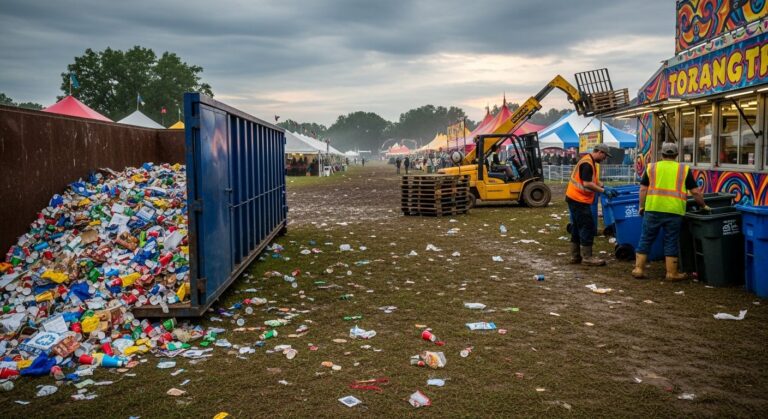
When the music fades and the last food vendor closes up, festival organizers face a daunting reality: mountains of trash, recycling bins overflowing, and a site that must be restored to its original condition. Large-scale events in Arkansas, from the Riverfest in Little Rock to the Bikes, Blues & BBQ rally in Fayetteville, generate tons of waste in just a few days. Without a structured plan for collection and removal, cleanup costs can spiral, and organizers risk fines for improper disposal. This is where professional event waste management Arkansas festival dumpster rental services become essential.
Effective waste management for festivals is not just about ordering a few extra roll-off containers. It requires strategic placement of dumpsters, segregation of recyclables, and coordination with haulers who understand the unique timeline of event teardown. In Arkansas, where outdoor festivals often take place in parks, fairgrounds, or open fields, the logistics of waste removal are complicated by limited access, weather considerations, and the need to keep the site safe for attendees. This guide covers everything from sizing your dumpster fleet to handling food waste and complying with local regulations.
Why Festivals Need Dedicated Waste Management
Festivals create a concentrated waste stream that is unlike residential or construction debris. A single weekend event can produce tens of thousands of pounds of trash, including food containers, beverage cups, napkins, program guides, and personal items left behind by attendees. Without a dedicated system, trash accumulates quickly, creating health hazards, attracting pests, and diminishing the attendee experience.
Beyond cleanliness, Arkansas municipalities have specific ordinances regarding event waste. Many cities require organizers to submit a waste management plan as part of the permit application. This plan must detail how trash will be contained, how recyclables will be separated, and how the site will be cleaned after the event. Failure to comply can result in fines or loss of future permits. Professional event waste management Arkansas festival dumpster rental services help organizers meet these requirements while keeping costs predictable.
Environmental and Reputation Benefits
Arkansas festival attendees increasingly expect sustainable practices. Events that visibly recycle and manage waste responsibly earn goodwill and positive media coverage. Conversely, a festival that leaves a site littered with trash can damage its reputation and strain relationships with local communities. By partnering with a dumpster rental company that offers recycling options, organizers can divert a significant portion of waste from landfills.
In our guide on Home Addition Waste Management in Arkansas: Dumpster Rental Tips, we discuss similar principles of planning and container selection that apply directly to festival settings. The key difference is scale and timeline: festivals require rapid deployment and removal of dumpsters, often within a 48-hour window.
Key Components of Festival Dumpster Rental
An effective dumpster rental plan for an Arkansas festival involves several moving parts. Organizers must consider the size and number of containers, placement locations, pickup schedules, and the types of waste that will be generated. Below are the critical factors to address.
Container Sizing and Quantity
Dumpster sizes for events typically range from 10-yard to 40-yard roll-off containers. A 10-yard dumpster is suitable for small community gatherings or as a recycling bin, while a 40-yard container is necessary for major festivals with thousands of attendees. As a rule of thumb, estimate one 30-yard dumpster per 5,000 attendees per day for mixed waste, then add separate containers for recyclables and food waste.
To determine the right fleet, consider these variables:
- Attendance: Higher attendance means more waste. Use past event data or industry benchmarks (1.5 to 2 pounds of waste per attendee per day).
- Food service: Events with full meal service generate more organic waste than those with only packaged snacks.
- Beverage service: Alcohol and soft drink sales produce heavy waste from cups, bottles, and cans.
- Duration: Multi-day events require more containers or more frequent pickups.
Overestimating container capacity is better than underestimating. Overflowing dumpsters are unsightly, attract pests, and may violate health codes. A professional dumpster rental company can help you calculate the optimal mix based on your event specifics.
Placement and Accessibility
Dumpster placement is a logistical puzzle. Containers must be close enough to high-traffic areas for easy use by attendees and staff, yet far enough away to avoid obstructing walkways, emergency access, or vendor operations. In Arkansas, where festivals often occur in parks with soft ground, you may need to place dumpsters on plywood or gravel pads to prevent them from sinking.
Access for the delivery truck is another consideration. Roll-off trucks require a clear path with at least 60 feet of straight-line access and a 14-foot vertical clearance. Check for low-hanging branches, power lines, or narrow gate openings. Coordinate with the venue manager and the rental company to identify drop-off and pickup zones that will not interfere with event setup or teardown.
Managing Different Waste Streams
Not all festival waste is the same. A successful waste management plan separates waste into distinct streams for disposal, recycling, and composting. This reduces landfill burden and often lowers overall costs because recycling rates are lower than trash disposal fees in many Arkansas communities.
Recyclables: Bottles, Cans, and Paper
Arkansas festivals generate significant volumes of aluminum cans, plastic bottles, and cardboard. Providing clearly labeled recycling dumpsters alongside trash containers encourages attendees to sort their waste. Many dumpster rental companies offer dual-stream service where recycling and trash are collected separately. For large events, consider hiring a team of waste ambassadors to guide attendees and monitor contamination.
Food waste is a growing focus. Some Arkansas festivals have implemented composting programs for food scraps and compostable serviceware. If you choose this route, work with a hauler who can handle organic waste and ensure that the compostable items you purchase are certified and accepted by the local composting facility.
Hazardous and Special Waste
Festivals may generate small amounts of hazardous waste, such as propane tanks from food vendors, batteries from equipment, or cleaning chemicals. These items cannot go into standard dumpsters. Arrange for separate collection of hazardous materials and educate vendors about proper disposal. Similarly, large items like broken tables, tent poles, or electronic waste should be collected separately and managed according to Arkansas Department of Environmental Quality guidelines.
Timeline for Dumpster Rental and Service
Timing is everything in festival waste management. Dumpsters must arrive before the event begins, but not so early that they sit empty for days. Likewise, pickup must happen promptly after the event to prevent trash from lingering and attracting pests.
A typical timeline for an Arkansas festival might look like this:
- Four to six weeks before: Assess waste volume, order dumpsters, and confirm placement with venue.
- One week before: Finalize logistics with the rental company, including delivery windows and emergency contact information.
- One day before event: Deliver dumpsters and position them according to the plan.
- During event: Monitor fill levels and arrange for mid-event pickups if needed.
- Day after event: Final pickup of all containers and site cleanup.
Build flexibility into your schedule. If attendance is higher than expected, you may need additional dumpsters delivered mid-event. A responsive rental partner can accommodate these adjustments.
Cost Factors for Festival Dumpster Rental in Arkansas
The cost of event waste management Arkansas festival dumpster rental varies based on container size, rental duration, number of pickups, and type of waste. A 30-yard dumpster for a three-day event typically ranges from $350 to $600, with additional fees for extra pickups or overweight containers. Recycling services may add a small surcharge but can reduce overall disposal costs.
Other cost drivers include:
- Delivery distance: Remote venues may incur travel fees.
- Landfill tipping fees: These vary by location and waste type.
- Hazardous waste disposal: Special handling increases costs.
- Weekend or holiday service: Some companies charge extra for after-hours delivery.
Request quotes from multiple providers and ask for a written contract that lists all fees. Be clear about your waste types and volume to avoid surprise charges.
Regulatory Compliance in Arkansas
Arkansas event organizers must comply with state and local waste management regulations. The Arkansas Department of Environmental Quality (ADEQ) oversees solid waste disposal, and many cities have additional ordinances. For example, the City of Fayetteville requires events with more than 500 attendees to submit a waste reduction plan that includes recycling goals.
Key compliance areas include:
- Permits: Check if your event requires a special waste management permit.
- Litter control: Organizers are responsible for keeping the event site and surrounding areas clean.
- Recycling mandates: Some Arkansas municipalities require recycling at public events.
- Fats, oils, and grease: Food vendors must properly dispose of cooking oil, which cannot go into dumpsters.
Work with a dumpster rental company that understands local regulations. They can advise on proper waste classification and disposal methods to keep your event compliant.
Choosing a Dumpster Rental Partner
Selecting the right rental company is crucial for smooth festival waste management. Look for a provider with experience in event services, not just construction or residential dumpsters. Ask about their capacity for same-day deliveries and emergency pickups, as festivals often require last-minute adjustments.
When evaluating companies, consider these factors:
- Fleet condition: Clean, well-maintained dumpsters reflect professionalism.
- Service area: Ensure they serve your specific Arkansas location.
- Recycling capabilities: Confirm they can separate and process recyclables.
- Insurance and licensing: Verify they are properly insured and licensed.
- Customer reviews: Check online feedback from other event organizers.
A good partner will provide a dedicated point of contact for your event and offer on-site support during setup and teardown.
Practical Tips for Festival Organizers
Beyond dumpster rental, successful waste management requires coordination with all stakeholders. Here are actionable tips:
First, communicate your waste plan to vendors before the event. Include requirements for waste sorting, disposal of cooking oil, and handling of hazardous materials. Provide each vendor with a written guide and ask them to sign an agreement.
Second, position waste stations strategically. Place a trash and recycling bin pair every 50 to 100 feet along main walkways, near food courts, and at exits. This makes it easy for attendees to dispose of waste properly. Station volunteers or staff at high-volume areas to answer questions and prevent contamination.
Third, plan for post-event cleanup. Even with diligent attendee sorting, there will be litter and stray trash. Schedule a sweep team to collect debris after the crowd leaves. Have extra dumpster capacity ready for the final push.
Finally, document your waste management process. Take photos of dumpster placements, record weights of waste collected, and note any challenges. This data will help you improve future events and demonstrate compliance to regulators.
Conclusion
Festival waste management in Arkansas is a complex but manageable task when approached systematically. By investing in professional dumpster rental services, planning for multiple waste streams, and coordinating with vendors and regulators, organizers can keep their events clean, compliant, and sustainable. Whether you are planning a small community festival or a major multi-day event, the right dumpster rental strategy ensures that your legacy is one of responsibility, not litter.