Renting a dumpster for the first time in Arkansas can feel overwhelming. You might worry about choosing the right size, understanding local rules, or ending up with hidden fees. This guide walks you through everything you need to know, from selecting the perfect container to scheduling pickup. Whether you are tackling a home renovation, cleaning out a estate, or managing a construction project, the steps are the same. By the end of this article, you will have the confidence to rent a dumpster without stress and avoid common first-time mistakes.
Understanding Dumpster Sizes for Your Project
The first decision you need to make is which dumpster size fits your project. Dumpsters are measured in cubic yards, and the most common sizes for residential and light commercial use range from 10 to 40 yards. Choosing a size that is too small may require a second rental, while an oversized container wastes money and space.
Here is a breakdown of typical dumpster sizes and the projects they suit best:
- 10-yard dumpster: Ideal for small cleanouts like a single room declutter, a small deck removal, or minor landscaping. It holds about 3 pickup truck loads.
- 15-yard dumpster: A good middle ground for medium kitchen or bathroom remodels. It fits debris from a few rooms and small amounts of concrete or dirt.
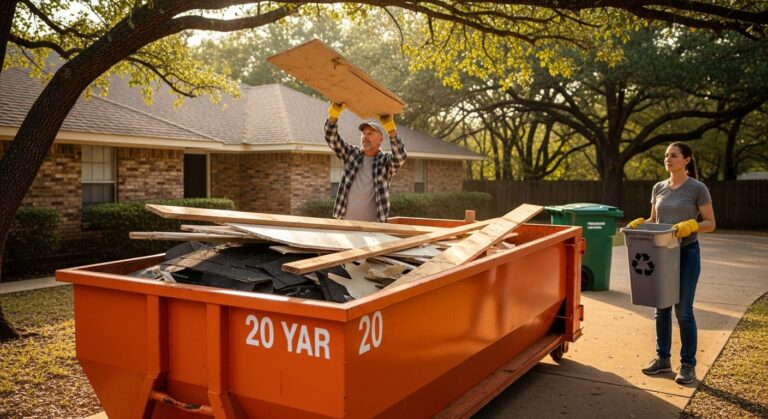
- 20-yard dumpster: The most popular size for major home renovations, floor replacements, and large yard waste cleanups. It holds approximately 6 pickup truck loads.
- 30-yard dumpster: Best for large construction projects, whole house cleanouts, or roofing jobs. It can hold about 9 pickup truck loads.
- 40-yard dumpster: Designed for major commercial demolition or massive estate cleanouts. It holds roughly 12 pickup truck loads and requires significant space for placement.
When in doubt, ask your rental provider for advice based on the type and volume of materials you plan to dispose of. Many companies, including those serving Arkansas, will help you estimate the right size if you describe your project. Remember that fill level matters: you cannot overfill a dumpster beyond the top rim, so leave some room for the debris to settle.
Permits and Regulations in Arkansas
Arkansas does not have a statewide permit for dumpster placement on private property. However, if you need to place the dumpster on a public street, alley, or sidewalk, you will likely need a permit from your local city or county government. Rules vary from one municipality to another, so it is critical to check before delivery day.
For example, cities like Little Rock, Fayetteville, and Fort Smith have specific ordinances regarding dumpster placement. Some require you to apply for a temporary right-of-way permit, pay a small fee, and provide proof of insurance. Others may restrict the length of time you can keep a dumpster on public property. If you are renting for a commercial project in a busy area, expect stricter requirements.
To avoid fines, follow these steps: first, contact your local city hall or public works department. Ask about dumpster placement permits and any restrictions on size or duration. Second, inform your dumpster rental company about where you plan to place the container. Reputable Arkansas renters can often guide you through the permit process or even handle the paperwork for an additional fee. Third, notify your neighbors if the dumpster will block driveways or create noise during loading. A little communication goes a long way.
What You Can and Cannot Throw Away
Dumpster rental companies have clear rules about acceptable and prohibited items. Understanding these rules protects you from additional fees and keeps the waste stream safe. In general, most household junk, construction debris, yard waste, and non-hazardous materials are fine. However, certain items are banned from standard dumpsters due to environmental or safety concerns.
Common prohibited items include:
- Hazardous waste: paints, solvents, chemicals, motor oil, batteries, and pesticides.
- Electronics: televisions, computers, monitors, and other e-waste require special recycling.
- Tires and large auto parts: most dumpster companies do not accept tires because they are difficult to dispose of legally.
- Appliances containing refrigerants: refrigerators, air conditioners, and freezers must be properly degassed before disposal.
- Medical waste: syringes, pharmaceuticals, and biohazard materials are never allowed.
If you have items like mattresses, furniture, or carpet, check with your provider first. Some companies accept them with an extra fee, while others do not. For e-waste, look for local Arkansas electronics recycling events or drop-off centers. For hazardous waste, your county household hazardous waste facility can help. Always clarify the list with your rental company before signing the contract so there are no surprises on pickup day.
How to Estimate Your Dumpster Rental Cost
Pricing for dumpster rentals in Arkansas depends on several factors: size, rental period, type of waste, and location. Most companies charge a flat fee that includes delivery, pickup, and a set number of days (often 7 to 14). After that, daily or weekly overage fees apply. The average cost for a 20-yard dumpster in Arkansas ranges from $350 to $550, but prices can vary.
To get an accurate estimate, consider these variables:
- Weight allowance: Many rentals include a tonnage limit (e.g., 2 tons). Exceeding that limit triggers per-ton overage charges that add up quickly.
- Type of debris: Heavy materials like concrete, brick, or dirt cost more per ton because they weigh more. Some companies have separate pricing for heavy debris.
- Permit fees: If you need a street permit, factor in that cost. It can range from $10 to $100 depending on your city.
- Additional days: Extending your rental beyond the standard period usually incurs a daily fee.
For up-to-date pricing, see our Arkansas Dumpster Rental Cost 2026 Price Guide which breaks down rates by size and location. Always ask for a written quote that includes all fees before you agree. A reliable company will be transparent about charges for overweight, extra days, and prohibited items.
Preparing for Delivery and Pickup
Once you have selected a size, secured permits (if needed), and agreed on pricing, it is time to prepare your property for the dumpster. Proper preparation ensures a smooth drop-off and avoids damage to your driveway or lawn. Here are the key steps to take before the truck arrives.
First, choose a level, firm surface for the dumpster. A concrete or asphalt driveway is ideal. If you must place it on grass, lay down plywood sheets to distribute the weight and prevent ruts. Measure the area to ensure the container fits. Dumpsters are typically 16 to 22 feet long and 8 feet wide, so leave extra room for the delivery truck to maneuver. Clear the path of low-hanging branches, power lines, and vehicles. Mark any underground utilities if you are placing the dumpster near a buried line; call 811 to have them marked for free.
Second, communicate with the driver on delivery day. Most companies give a time window, and the driver will ask you where to place the dumpster. Be present or leave clear instructions. If the dumpster must be placed on a street, set out cones or signs to warn traffic. On pickup day, make sure the dumpster is accessible and not blocked by cars or debris. Do not load items above the rim, as this can make pickup unsafe and may incur additional fees.
Tips for a Smooth First-Time Rental
Your first dumpster rental experience should be straightforward, but a few extra tips can save you time, money, and frustration. Here are recommendations from Arkansas waste management professionals.
First, book your dumpster at least a few days in advance, especially during spring and summer when demand is high. Last-minute rentals may have limited availability or higher prices. Second, load heavy items first, spreading weight evenly across the bottom. Place lighter debris on top and break down large objects like furniture to maximize space. Third, keep the dumpster covered if rain is expected, especially if you are disposing of drywall or cardboard that becomes heavy when wet. Some companies provide tarps; ask if one is included.
Fourth, know your rental period and set a reminder to call for pickup a day or two before it ends. Avoid the temptation to keep filling the dumpster after the deadline, as overage fees can double your cost. Fifth, think about where you will place the dumpster in relation to your work area. The closer it is to the debris, the fewer trips you will make. However, keep it out of the way of main traffic paths and away from where children or pets play.
Finally, read the fine print on your rental agreement. Look for clauses about weight limits, prohibited items, and liability for damage. If anything is unclear, ask your provider before signing. A trusted Arkansas dumpster rental company will answer your questions honestly and help you complete your project without hidden costs.
Renting a dumpster for the first time does not have to be intimidating. By understanding sizes, permits, accepted materials, and pricing, you can approach the process with confidence. Take the time to prepare your site, choose the right container, and communicate with your rental provider. Your project will stay on schedule, and you will avoid the stress of unexpected fees or safety issues. Whether you are remodeling a kitchen in Bentonville or clearing out a garage in Conway, this guide gives you the foundation to succeed. When you are ready to rent, choose a company that puts customer service first and provides clear, upfront information. Your first dumpster rental in Arkansas can be a positive experience that makes your cleanup job easier than you ever imagined.