
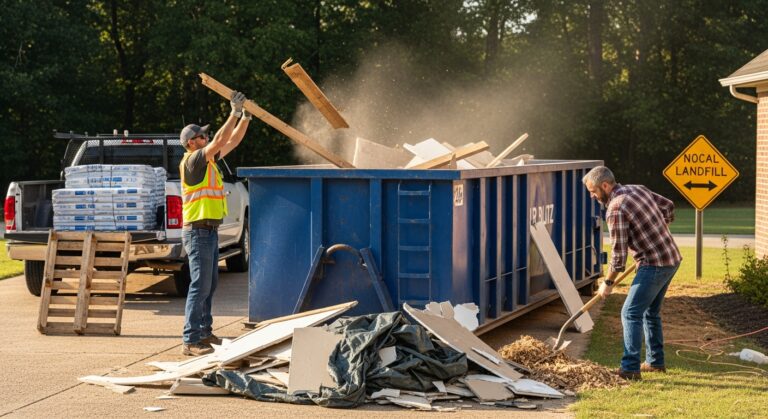
Managing waste from a construction project, home renovation, or large cleanout in Arkansas requires more than just loading a truck. The process of hauloff and disposal involves understanding local regulations, choosing the right container size, and working with a service that handles debris responsibly. Whether you are a contractor managing a job site or a homeowner tackling a garage purge, the right approach saves time, money, and frustration.
Arkansas has specific rules for waste disposal that vary by county and municipality. Landfills in areas like Little Rock, Fayetteville, and Fort Smith have different fee structures and accepted materials. This guide breaks down everything you need to know about hauloff and disposal in Arkansas, from selecting a dumpster to avoiding common pitfalls.
Understanding Local Waste Regulations in Arkansas
Before you begin any hauloff project, you must understand the local waste management landscape. Arkansas does not have a single statewide waste policy that covers every city. Instead, each county and municipality sets its own rules for landfill use, recycling requirements, and prohibited items.
The Arkansas Department of Environmental Quality (ADEQ) oversees solid waste management at the state level. They issue permits for landfills and transfer stations, but local ordinances dictate what can go into those facilities. For example, the city of Little Rock bans certain electronics and hazardous materials from standard dumpsters. In Bentonville, construction debris must be separated from household trash at designated drop-off points.
Working with a professional hauloff service ensures compliance with these rules. A reputable company knows which landfills accept specific materials and how to handle items like paint, tires, and batteries. This knowledge prevents surprise fees or rejected loads at the disposal site.
Key Materials That Require Special Handling
Not every type of waste can go into a standard roll-off dumpster. Items that require special disposal in Arkansas include:
- Electronics like televisions and computers, which contain lead and mercury
- Appliances with refrigerants, such as refrigerators and air conditioners
- Tires, which are banned from most Arkansas landfills
- Hazardous chemicals including paints, solvents, and pesticides
- Concrete and asphalt, which often need separate processing for recycling
Each of these categories has its own disposal pathway. For instance, many Arkansas counties hold annual household hazardous waste collection events. Some landfill operators charge a separate fee for tires or mattresses. A professional hauloff company can coordinate these special disposals as part of your service, saving you the hassle of multiple trips.
Choosing the Right Dumpster Size for Your Project
One of the most common mistakes in hauloff and disposal is selecting a container that is too small or too large. An undersized dumpster means additional fees for a second container or extra pickup. An oversized dumpster wastes money on rental costs for space you do not use.
In Arkansas, roll-off dumpsters typically range from 10 to 40 cubic yards. A 10-yard container works well for small cleanouts like a single room or a yard debris project. A 20-yard dumpster fits most mid-sized renovations, such as a kitchen remodel or flooring replacement. For major construction projects or whole-house cleanouts, a 30 or 40-yard dumpster is the standard choice.
When estimating volume, remember that weight matters as much as size. Heavy materials like concrete, brick, or dirt require a smaller container to stay within weight limits. Lighter debris like old furniture or drywall can fill a larger dumpster without exceeding weight restrictions. A professional company will help you match the container to your specific waste stream.
For a deeper look at sizing and rental options, check out our guide to roll off dumpster rental in Arkansas. It covers typical pricing and delivery logistics across the state.
The Hauloff Process: From Drop-Off to Disposal
Understanding the step-by-step process of hauloff and disposal helps you plan your project timeline and budget. The sequence is straightforward when you work with an established provider.
First, you schedule a drop-off date. The company delivers the dumpster to your location, whether that is a residential driveway or a commercial job site. They place the container on wooden blocks to protect the surface and ensure stability. Most providers offer same-day or next-day delivery depending on availability.
Next, you fill the dumpster with your waste. It is important to load evenly and avoid overfilling. Most companies require that the debris stays level with the top edge of the container. Overfilled dumpsters create safety hazards during transport and may incur extra charges.
Once you are finished, you call for pickup. The company sends a truck to haul the container away. They transport the load to a permitted landfill or recycling facility in Arkansas. The final step is disposal, where the waste is weighed and processed according to local regulations.
What Happens to Your Waste After Pickup
After your dumpster is hauled away, the waste enters a sorting and processing system. In Arkansas, many landfills operate recycling programs for materials like metal, concrete, and wood. These materials are diverted from the landfill and sent to specialized processors.
For example, scrap metal is sold to recyclers who melt it down for new products. Concrete is crushed and reused as aggregate for road base or construction fill. Clean wood is chipped into mulch or burned for energy at biomass facilities. This diversion reduces the environmental impact of your project and supports Arkansas’s recycling economy.
General household waste and mixed construction debris go directly to the landfill. Arkansas landfills are lined and monitored to prevent groundwater contamination. They are also required to collect methane gas for energy production at some sites. This means your waste contributes to local energy generation even when it cannot be recycled.
Cost Factors for Hauloff and Disposal in Arkansas
Pricing for hauloff and disposal varies across Arkansas based on several factors. Understanding these variables helps you budget accurately and avoid unexpected charges.
The primary cost drivers include dumpster size, rental duration, weight of the debris, and disposal fees at the landfill. A 10-yard dumpster in a rural county may cost significantly less than a 30-yard container in a high-demand urban area like Little Rock. Most companies offer flat-rate pricing that includes delivery, pickup, and a set weight limit. Exceeding that weight limit results in overage charges per ton.
Disposal fees, also called tipping fees, are set by individual landfills. In Arkansas, these fees range from about $35 to $60 per ton depending on the facility. Some landfills charge a minimum fee for small loads. If your waste includes special items like tires or mattresses, expect additional fees at the disposal site.
Seasonal demand also affects pricing. Spring and summer are peak seasons for construction and renovation in Arkansas. During these months, dumpster rental rates may increase due to higher demand. Booking your hauloff service in advance or during the off-season can save money.
Benefits of Professional Hauloff Services
Handling waste yourself might seem like a way to save money, but professional hauloff and disposal offers several advantages that DIY methods cannot match.
First, professional services save time. Instead of making multiple trips to the landfill, loading and unloading a truck yourself, you fill one container and call for pickup. This efficiency is especially valuable for contractors who need to stay on schedule.
Second, professionals handle all the logistics. They know which landfills are open, what materials are accepted, and how to avoid fines for prohibited items. They also have the right equipment: roll-off trucks with hydraulic lifts that can safely transport heavy loads.
Third, using a professional service reduces liability. If you transport waste yourself and get into an accident, you are responsible. If you dispose of prohibited items improperly, you may face fines from ADEQ. A licensed hauloff company carries insurance and permits that protect you from these risks.
Finally, professional services support sustainability. Many companies prioritize recycling and diversion, ensuring that your waste has the lowest possible environmental impact. This aligns with Arkansas’s goals for reducing landfill usage and promoting a circular economy.
Common Mistakes to Avoid During Hauloff
Even with the best intentions, people make mistakes when managing waste disposal. Avoiding these common errors ensures a smooth experience.
One frequent mistake is mixing prohibited items with general waste. As mentioned earlier, electronics, tires, and hazardous materials require separate handling. If these items are found in your dumpster load, the landfill may reject the entire shipment, resulting in additional fees and delays.
Another mistake is underestimating the weight of debris. Heavy materials like concrete or dirt can quickly push a dumpster over its weight limit. Always consult with your provider about weight restrictions before loading. Some companies offer separate containers for heavy materials at a lower rate.
A third mistake is placing the dumpster in an inaccessible location. The delivery truck needs a clear path for dropping off and picking up the container. Overhead wires, low-hanging branches, or narrow gates can prevent access. Choose a spot that is level and within 50 feet of the truck’s reach.
Finally, do not wait until the last minute to schedule pickup. Most companies require 24 to 48 hours notice for removal. Planning ahead prevents your dumpster from sitting on site longer than needed, which could incur additional rental fees.
Environmental Considerations for Arkansas Disposal
Arkansas residents and businesses are increasingly concerned about the environmental impact of waste disposal. Sustainable hauloff and disposal practices are becoming more important as the state’s population grows.
Landfills are a finite resource. Once a landfill reaches capacity, it must be closed and capped, which requires ongoing maintenance. By diverting waste through recycling and reuse, you extend the life of existing landfills and reduce the need for new ones.
Many hauloff companies in Arkansas partner with recycling facilities to process materials like metal, cardboard, and plastic. Some even offer separate containers for recyclables to make sorting easier. Ask your provider about their recycling programs before you rent.
Another environmental consideration is the carbon footprint of transport. Professional hauloff services optimize their routes to reduce fuel consumption. They also use trucks that meet emissions standards. By consolidating multiple small loads into one larger haul, they reduce the number of trips to the landfill.
For projects involving organic waste like yard trimmings, consider composting as an alternative to landfill disposal. Many Arkansas municipalities offer yard waste collection programs that turn leaves and grass into mulch. Your hauloff provider may be able to direct organic waste to a composting facility.
Working With Contractors and Property Managers
For contractors and property managers, efficient hauloff and disposal is critical to project profitability. Delays in waste removal can hold up construction timelines and create safety hazards on site.
Establishing a relationship with a reliable hauloff service is essential. Look for a provider that offers same-day delivery, flexible scheduling, and transparent pricing. Many companies offer volume discounts for recurring projects or multiple containers.
Property managers dealing with tenant move-outs or building renovations need a streamlined process. A single dumpster delivered to the property can handle all the waste from a unit turnover. This eliminates the need for tenants to haul trash to a central bin or leave it in hallways.
Communication is key. Provide your hauloff company with accurate information about the type and volume of waste. If you are demolishing a structure, let them know if there is concrete or metal involved. This helps them prepare the right container and avoid surprises at the landfill.
Final Thoughts on Hauloff and Disposal in Arkansas
Managing waste responsibly is a core part of any project in Arkansas. Whether you are clearing out a home, remodeling a kitchen, or running a construction site, understanding the local rules and working with a professional service makes the process seamless. The right dumpster size, knowledge of prohibited items, and a reliable provider ensure that your waste is handled efficiently and in compliance with state regulations.
By choosing a company that prioritizes recycling and proper disposal, you also contribute to a cleaner environment for Arkansas communities. The upfront investment in professional hauloff and disposal pays for itself in time saved, avoided fines, and peace of mind. Next time you have a project that generates waste, remember that a well-planned hauloff strategy is the foundation of a successful outcome.