
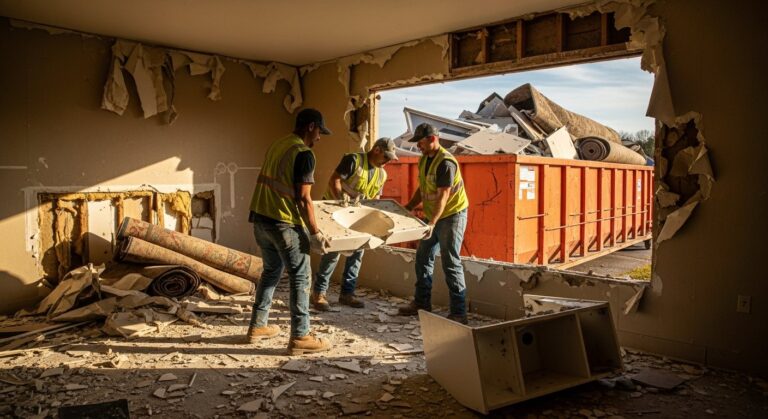
When a hotel in Arkansas undergoes a major renovation, the volume of waste can be staggering. From demolished guest room bathrooms and outdated lobby fixtures to piles of carpet, drywall, and old furniture, the debris accumulates faster than most property managers anticipate. Without a structured waste removal plan, construction crews lose time hauling materials to the dump, and the property risks code violations or project delays. This is where an Arkansas dumpster rental for hotel renovation waste becomes an essential part of the project budget and timeline.
Hotels and motels across the state, from Little Rock to Fayetteville and the resort areas around Hot Springs, face unique waste challenges. Renovations must often proceed while guests occupy adjacent rooms, meaning noise, dust, and debris must be tightly controlled. A well-placed roll-off dumpster provides a centralized disposal point that keeps the worksite clean, reduces trip hazards, and allows crews to focus on the renovation instead of running loads to the landfill. Choosing the right dumpster size and rental period can make the difference between a smooth project and a costly headache.
Why Hotel Renovations Require Specialized Dumpster Planning
Hotel renovation waste differs from standard construction debris in several important ways. The material mix is more varied, including bulky furniture, mattresses, electronic equipment, plumbing fixtures, and large quantities of mixed recyclables. Many hotel owners also want to salvage or donate usable items, which adds a layer of sorting complexity. A general-purpose dumpster rental may not account for these nuances, leading to overfilled containers, weight surcharges, or prohibited items causing rejected loads.
Another factor is the phased nature of hotel work. A typical renovation might gut ten guest rooms at a time, then move to the lobby, then the restaurant or conference center. Each phase generates different waste types and volumes. An Arkansas dumpster rental for hotel renovation waste should offer flexible drop-off and pickup schedules so the container can be swapped or emptied as each phase completes. This avoids the problem of a half-full dumpster sitting idle for days while crews move to a different area of the property.
Hotels also must consider guest experience. A dumpster placed in the back parking lot or loading dock must be positioned to minimize visual impact and odor. Some municipalities have specific rules about dumpster placement near public sidewalks or food service areas. Working with a rental provider experienced in commercial hospitality projects helps navigate these requirements and keeps the renovation on good terms with both guests and local code enforcement.
Choosing the Right Dumpster Size for Hotel Debris
Selecting the correct dumpster size is the most frequent mistake hotel managers make during renovation planning. Too small a container means frequent hauls and extra rental fees. Too large a container wastes money on unused capacity and takes up valuable parking or staging space. For most hotel renovation projects in Arkansas, the following size guidelines apply based on the scope of work.
Standard Roll-Off Options for Hospitality Projects
A 20-yard dumpster works well for a single-phase renovation of four to six guest rooms or a small lobby refresh. This size holds roughly six pickup truck loads of debris, including carpet, padding, drywall, and old furniture. For larger phases, such as gutting an entire floor of twenty rooms or renovating a banquet hall and kitchen, a 30-yard or 40-yard container is more appropriate. A 40-yard dumpster can hold up to twelve tons of mixed waste and is the standard choice for full-scale hotel remodels.
Keep in mind that weight limits matter. Heavy materials like concrete, tile, and plumbing fixtures add up quickly. If your renovation includes demolishing bathrooms with cast-iron tubs or thick ceramic tile, the dumpster may reach its weight limit before it is full. In this case, consider renting an additional container specifically for heavy debris or request a dumpster with a higher weight allowance. Your rental provider should help you calculate expected tonnage based on the square footage and materials involved.
Managing Hazardous and Prohibited Waste in Hotel Renovations
Hotel renovations often involve materials that cannot go into a standard roll-off dumpster. Old lighting ballasts, fluorescent tubes, thermostats containing mercury, and certain adhesives or paints may be classified as hazardous waste. Mattresses and box springs are generally accepted but may incur an extra fee. Electronics such as televisions, computers, and phone systems must be recycled separately through an e-waste program.
Before signing a rental agreement, review the list of prohibited items with your provider. Many Arkansas dumpster rental companies offer guidance on separating hazardous materials and can recommend local recycling centers for items like batteries, chemicals, and electronic waste. Planning this separation in advance prevents a rejected load and keeps the renovation compliant with state environmental regulations.
In our guide on farm waste disposal with Arkansas dumpster rental, we explain how proper waste sorting applies across different industries. The same principles of separating hazardous materials and maximizing recycling hold true for hotel renovations, though the waste streams differ significantly.
Cost Factors for Arkansas Dumpster Rental in Hospitality Settings
Pricing for an Arkansas dumpster rental for hotel renovation waste depends on several variables beyond just container size. Location matters: rentals in more rural areas may have lower base rates but higher transportation fees, while urban locations like Little Rock or Bentonville may have competitive pricing but stricter placement rules. The duration of the rental also affects cost. Most companies offer a standard seven to fourteen day rental period, with daily overage charges after that.
Weight is another major cost driver. Dumpster rental quotes typically include a weight allowance, often between two and six tons depending on the container size. Exceeding that allowance triggers per-ton overage fees that can add hundreds of dollars to the final bill. Hotel renovations generate heavy waste, so it is wise to request a dumpster with a higher weight limit or negotiate a flat-rate price that covers the expected tonnage.
Additional fees may apply for same-day delivery, weekend drop-off, or disposal of specific items like mattresses and appliances. Always ask for a detailed quote that itemizes these potential charges. A reputable provider will be transparent about pricing and will not surprise you with hidden fees at pickup time.
Step-by-Step Rental Process for Hotel Renovation Managers
Navigating the dumpster rental process does not have to be complicated. Follow these steps to ensure a seamless experience from delivery to final pickup.
- Assess your waste volume. Walk through the renovation area with the contractor and estimate the cubic yards of debris. Consider furniture, carpet, drywall, fixtures, and packaging materials separately.
- Choose the dumpster size. Use the volume estimate to select a container. When in doubt, choose the next size up to avoid overflow and extra hauls.
- Check placement and permits. Identify a level, accessible spot near the work area. Confirm that the location can support the weight of a loaded dumpster. Obtain any required city permits for street or sidewalk placement.
- Review prohibited items. Separate hazardous materials, electronics, and recyclables before the dumpster arrives. Plan for their disposal through specialized channels.
- Schedule delivery and pickup. Coordinate with the rental company to align drop-off with the start of demolition. Set a pickup date that matches the phase completion, with flexibility for delays.
- Load efficiently. Break down large items, stack flat materials, and distribute weight evenly. Do not fill the dumpster above the rim line for safety and legal transport.
Following this process reduces the risk of project delays and ensures that waste removal does not become a bottleneck in the renovation timeline.
Environmental Benefits of Proper Hotel Renovation Waste Management
Arkansas hotels that prioritize sustainable waste management during renovations can reduce their environmental footprint and appeal to eco-conscious guests. Many materials from hotel renovations are recyclable: metal fixtures, copper piping, cardboard, wood, and certain plastics. Concrete and drywall can be crushed and reused as aggregate or soil amendment. Old furniture and linens in usable condition can be donated to shelters, nonprofit organizations, or disaster relief agencies.
Working with a dumpster rental provider that partners with local recycling facilities makes this process easier. Some providers offer mixed-load recycling where the waste is sorted at a transfer station rather than landfilled. This approach can divert up to 70 percent of renovation debris from the landfill, depending on the material mix.
Beyond environmental stewardship, proper waste management can yield tax benefits for hotel owners who donate salvageable items. Documenting donations with receipts from qualified nonprofit organizations may allow for charitable deductions. Consult with a tax professional to understand how these deductions apply to your specific renovation project.
Common Pitfalls to Avoid With Hotel Renovation Dumpster Rentals
Even experienced hotel managers can stumble on a few common issues when renting dumpsters for renovation projects. Being aware of these pitfalls can save time, money, and frustration.
Underestimating volume. It is easy to look at a pile of debris and guess it will fit in a 20-yard container, only to find it overflowing after two days. Hotel renovations generate more waste than most people anticipate. Always add a margin of 20 percent to your volume estimate.
Ignoring weight limits. A dumpster may be physically large enough for your debris, but the weight of wet drywall, tile, and concrete can exceed the allowed tonnage. Weight overage fees are one of the most common unexpected costs. Ask your provider about the weight limit and upgrade if necessary.
Placing the dumpster too far from the work area. Crews will not walk long distances to dispose of debris. If the dumpster is inconvenient, waste piles up in hallways or rooms, creating safety hazards and slowing progress. Position the container as close as possible to the renovation zone while still allowing truck access.
Not coordinating with other trades. Electricians, plumbers, and HVAC contractors each generate their own waste. If they are on site simultaneously, the dumpster fills faster than expected. Schedule waste removal around the busiest demolition days to prevent overflow.
Forgetting about permit requirements. Some Arkansas cities require a permit if the dumpster sits on a public street or extends into a sidewalk. Failing to obtain a permit can result in fines and forced removal. Check with the local building department before delivery.
Avoiding these mistakes starts with choosing a knowledgeable rental partner who understands the hospitality industry. Ask potential providers about their experience with hotel renovations and request references from similar projects.
Finding the Right Arkansas Dumpster Rental Partner
Not all dumpster rental companies are equipped to handle the scale and complexity of hotel renovation waste. Look for a provider that offers commercial-grade containers, flexible scheduling, and transparent pricing. Ask whether they provide same-day or next-day delivery, weekend pickup options, and on-site support if problems arise.
Customer service matters. A hotel renovation runs on a tight timeline, and any delay in dumpster pickup or delivery can halt work. Choose a company with a reputation for reliability and clear communication. Reading online reviews and asking for references from other hotel managers in Arkansas can help narrow the options.
Finally, consider the provider’s commitment to sustainable disposal. Hotels increasingly market themselves as green properties, and partnering with a waste management company that prioritizes recycling and landfill diversion aligns with that brand image. Ask about their recycling rates and the facilities they use for sorting and processing materials.
An Arkansas dumpster rental for hotel renovation waste is more than a simple disposal service. It is a strategic tool that keeps projects on schedule, within budget, and aligned with environmental goals. By planning ahead, choosing the right container, and working with a trusted provider, hotel owners and managers can turn a messy renovation into a smooth, successful transformation.