Every business in Arkansas generates waste, but few owners realize how much they overpay for its disposal. A commercial waste audit in Arkansas reduces costs by revealing hidden fees, unnecessary pickups, and missed recycling opportunities. Without this analysis, companies often sign contracts based on guesswork, leaving thousands of dollars on the table each year. This article explains how a waste audit works, what it uncovers, and how you can use the findings to negotiate better terms and streamline your operations.
What Is a Commercial Waste Audit?
A commercial waste audit is a systematic review of the waste your business produces. It tracks the volume, type, and disposal frequency of materials like cardboard, food waste, plastics, and construction debris. The goal is to identify inefficiencies in your current waste management system and find ways to lower costs while improving sustainability.
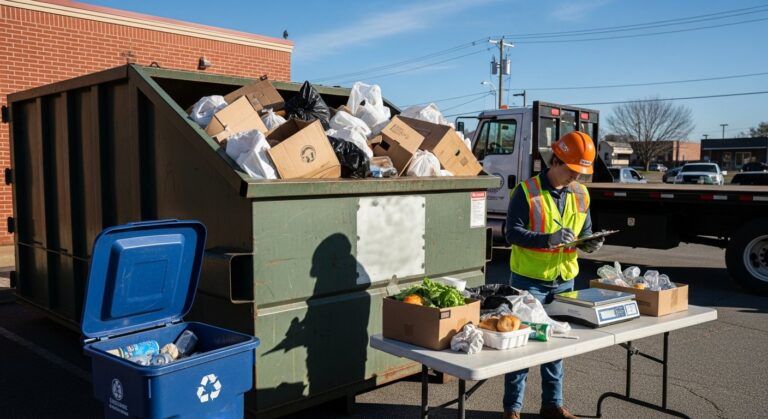
Audits typically involve three phases. First, a consultant or your waste hauler collects data from invoices, dumpster pulls, and on-site observations. Second, they sort and measure a sample of your waste to determine composition. Third, they deliver a report with actionable recommendations. These recommendations might include adjusting pickup schedules, adding recycling streams, or switching to a smaller dumpster.
For Arkansas businesses, the process can also address region-specific challenges such as seasonal tourism waste in Hot Springs or agricultural byproducts in the Delta. A tailored audit ensures you are not paying for services you do not need.
Why Arkansas Businesses Overpay for Waste Services
Many Arkansas companies lock into long-term contracts without reviewing their actual waste generation. Common money-wasters include oversized dumpsters, excessive pickup frequencies, and unoptimized recycling programs. A restaurant in Little Rock, for example, might pay for three weekly pickups of a 8-yard dumpster when two pickups of a 6-yard container would suffice. Over a year, that difference can exceed $2,000.
Another hidden cost comes from contamination fines. If recyclables are mixed with trash, haulers may charge extra fees. Arkansas has seen a rise in these penalties as recycling markets tighten. A waste audit identifies contamination sources and helps you train staff to separate materials correctly.
Finally, many businesses pay for services they never use, such as special waste disposal for hazardous materials they do not produce. An audit strips away these unnecessary line items.
Step-by-Step Process of a Waste Audit
Conducting a commercial waste audit in Arkansas reduces costs most effectively when you follow a structured approach. Here are the key steps your team or a consultant will take:
- Collect invoices and contracts: Gather at least six months of waste disposal bills. Look for base service fees, rental charges, fuel surcharges, and any penalty fees.
- Conduct a site walkthrough: Observe where waste accumulates, how bins are used, and whether recycling containers are accessible. Note any overflowing bins or half-empty dumpsters.
- Perform a waste sort: Take a representative sample of your waste over a week. Separate it into categories: recyclables, organics, landfill trash, and hazardous materials. Weigh each category.
- Analyze data: Calculate your true waste generation rate per week. Compare this to your current service level. Identify the gap between what you need and what you are paying for.
- Develop recommendations: Propose changes such as right-sizing containers, reducing pickup frequency, adding recycling, or renegotiating your contract.
After completing these steps, you will have a clear picture of your waste profile. Many businesses discover that 30 to 50 percent of their waste is recyclable, meaning they can reduce landfill disposal fees significantly. In our guide on Arkansas dumpster rentals: a guide to sizes, costs, and rules, we explain how choosing the right container size can further cut expenses.
Reducing Costs Through Right-Sizing and Scheduling
The most immediate savings from a waste audit come from matching your service to your actual needs. Right-sizing means choosing a dumpster that fits your waste volume without excess capacity. For instance, a retail store generating mostly cardboard might only need a 4-yard container with weekly recycling pickup instead of a 6-yard trash dumpster.
Scheduling adjustments are equally powerful. Many Arkansas businesses overestimate how often they need collection. A restaurant might assume daily pickup is required, but after an audit, they find that three times per week is sufficient. Reducing one pickup per week can save $50 to $150 monthly, depending on the hauler and location.
Consolidation is another strategy. If your business has multiple dumpsters across different areas, an audit may reveal that you can combine waste streams into fewer containers. This reduces rental fees and simplifies operations. For example, a manufacturing facility in Fort Smith used four separate dumpsters for trash, cardboard, metal, and plastic. After an audit, they consolidated into two larger containers with divided compartments, saving $300 per month in rental fees.
Leveraging Recycling to Lower Disposal Costs
Recycling is not just an environmental initiative; it is a cost-cutting tool. When a commercial waste audit in Arkansas reduces costs, recycling plays a central role because landfill tipping fees are higher than recycling processing fees. In Arkansas, landfill rates range from $35 to $55 per ton, while recycling often costs $10 to $25 per ton.
Common recyclable materials in commercial waste include corrugated cardboard, office paper, aluminum cans, plastic bottles, and scrap metal. By diverting these materials, you shrink the volume of trash that goes to the landfill. A case study from a Bentonville office park showed that after implementing a comprehensive recycling program, their monthly waste bill dropped by 40 percent.
Additionally, some Arkansas haulers offer rebates for clean, sorted recyclables. Cardboard bales, for instance, can fetch $50 to $100 per ton. While not every business will generate enough volume for rebates, even small reductions in trash volume add up over time.
Negotiating Better Contracts After the Audit
Armed with audit data, you can approach your waste hauler with confidence. Most haulers are willing to renegotiate terms if you present clear evidence of overpayment. Here are the key leverage points:
- Remove unnecessary fees: Challenge fuel surcharges, environmental fees, or administrative charges that are not justified by your service level.
- Lock in lower rates: Use your audit results to request a rate reduction. If you are reducing pickup frequency, ask for a corresponding price decrease.
- Switch to a variable pricing model: Instead of a flat monthly fee, negotiate a per-pull rate that aligns with your actual waste generation. This is especially useful for businesses with seasonal fluctuations, such as hotels or event venues.
- Bundle services: If you use the same hauler for trash, recycling, and roll-off containers, ask for a bundled discount.
Do not be afraid to get quotes from competing haulers. The Arkansas waste market includes several regional providers who may offer more competitive pricing than national chains. Your audit data makes it easy to compare apples to apples across different proposals.
Environmental and Operational Co-Benefits
Cost reduction is the primary driver for a waste audit, but the benefits extend beyond the bottom line. Reduced waste volume means fewer trucks on the road, lowering your carbon footprint. Arkansas businesses that promote sustainability often see improved customer loyalty and employee morale.
Operationally, a streamlined waste system takes up less space. You can repurpose the area previously used for dumpsters for storage, parking, or even customer seating. A Fayetteville brewery, after their audit, eliminated two dumpsters and converted that space into a small outdoor patio. The savings from waste reduction paid for the patio construction within six months.
Compliance is another advantage. Arkansas environmental regulations require proper disposal of certain wastes, such as electronics, tires, and cooking oil. An audit identifies any non-compliance risks before they result in fines. By addressing these issues proactively, you avoid costly penalties and legal headaches.
Overcoming Common Objections to a Waste Audit
Some business owners hesitate to conduct a waste audit, fearing it will be time-consuming or expensive. In reality, most audits can be completed within a week with minimal disruption. Many waste haulers offer free audits as part of their service, particularly if you are considering a contract renewal. Even if you hire an independent consultant, the cost is typically recovered within the first few months of savings.
Another objection is that the findings will require significant behavior change from staff. However, most recommendations are simple to implement, such as adding clearly labeled bins or adjusting cleaning crew procedures. Training sessions take an hour or less, and the long-term savings justify the effort.
Finally, some worry that reducing waste service will lead to overflowing bins. But an audit is designed to prevent that. The recommendations are based on actual data, not guesswork. If your waste volume increases later, you can always adjust service levels upward.
Getting Started With Your Audit
To begin, contact your current waste hauler and ask if they offer a free waste assessment. Many will send a representative to evaluate your site and provide recommendations. For a more thorough analysis, consider hiring a third-party waste consultant who specializes in commercial audits. They will have no incentive to upsell services, ensuring objective advice.
Before the audit, gather your last 12 months of invoices. Note any seasonal patterns in your waste generation. For example, a landscaping company in central Arkansas may produce more debris in spring and fall. Share these patterns with the auditor so they can tailor their recommendations.
After receiving the audit report, prioritize the changes that offer the fastest payback. Typically, right-sizing containers and reducing pickup frequency yield immediate savings. Recycling programs may take a few weeks to implement but provide ongoing benefits.
Monitor your savings over the next three to six months. Track your monthly waste bills and compare them to pre-audit levels. Many businesses see a 20 to 35 percent reduction in costs within the first quarter. Share these results with your team to reinforce the value of the changes.
A commercial waste audit in Arkansas reduces costs by turning waste management from a fixed overhead into a controllable expense. With the right approach, you can lower your monthly bills, improve sustainability, and free up resources for other priorities. The process is straightforward, the data is actionable, and the financial rewards are substantial. Start your audit today to see how much your business can save.