You’re staring at a mountain of debris from a renovation, a yard teeming with overgrowth, or a basement filled with years of accumulated clutter. The project is ready to go, but the logistics of waste removal are holding you back. The immediate thought is to search for a reliable “dumpster service near me” to handle the mess efficiently. This search, however, can lead to a confusing array of options, prices, and terms. Finding the right local provider isn’t just about the closest location; it’s about securing a partner who ensures your project runs smoothly, stays on budget, and complies with local regulations. This guide will walk you through the entire process, from understanding your needs to finalizing the rental, ensuring you hire a service that delivers value and peace of mind.
Understanding Your Project’s Specific Dumpster Needs
Before you call a single company, taking a moment to accurately assess your project will save you time, money, and logistical headaches. A one-size-fits-all approach does not work with dumpster rentals. The wrong size or type of container can lead to overage fees, the need for a second rental, or even refusal of service for prohibited materials. Start by evaluating the scope and nature of your waste. A kitchen remodel generates heavy, dense debris like tiles and countertops, while a estate cleanout produces lighter, bulkier items like furniture and boxes. The type of waste directly influences the dumpster size you’ll need and the weight limits you must consider.
Misjudging the volume is a common pitfall. It’s always better to slightly overestimate than to run out of space mid-project. Consider not just the pile of waste you see, but the waste you will generate as you tear out walls, clear land, or sort through belongings. For detailed guidance on sizing for specific projects, from home cleanouts to construction sites, reviewing a resource like our guide to renting dumpsters for home projects can provide valuable benchmarks. Furthermore, you must identify any special requirements. Do you need to place the dumpster on a public street, which likely requires a permit from your city? Are you disposing of any potentially hazardous or banned materials, such as paints, chemicals, batteries, or appliances with refrigerants? Knowing these details upfront allows you to have an informed conversation with providers.
Evaluating and Choosing a Local Dumpster Provider
With a clear picture of your project, you can begin vetting local dumpster services. Your search for a “dumpster service near me” should prioritize reliability, transparency, and local expertise over simply the lowest advertised price. Start by researching companies with strong local reputations. Read recent customer reviews focusing on their experiences with delivery timing, customer service, billing clarity, and problem resolution. A company deeply familiar with your city or county’s waste disposal rules, permit processes, and landfill fees is an invaluable asset, helping you avoid fines and complications.
When you contact companies for quotes, be prepared to share your project assessment. A reputable provider will ask detailed questions to ensure they recommend the right solution. Be wary of any quote that seems significantly lower than others without a clear explanation; hidden fees for fuel, overage weight, or extended rental periods can quickly inflate the final bill. Transparency is key. A trustworthy company will gladly explain all potential costs, their rental period policy (e.g., 7-day, 10-day), what happens if you need more time, and their policy on weight limits. They should also clearly list all prohibited items. This due diligence is the foundation of a stress-free rental experience.
The Rental Process and Maximizing Your Service
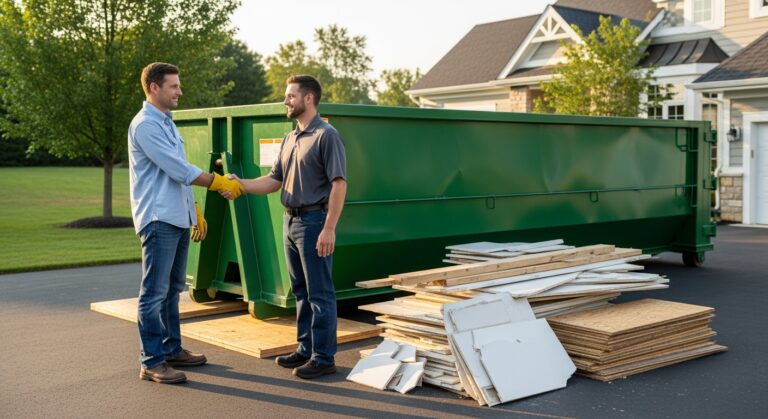
Once you’ve selected your provider, understanding the rental process ensures everything goes as planned. The first step is scheduling the delivery. Provide clear instructions about the placement location. The driver needs safe, unobstructed access—a flat, firm surface like a driveway or compacted soil is ideal. Ensure there are no overhead obstacles like low-hanging tree limbs or power lines. Before the dumpster arrives, it’s wise to prepare the site by laying down plywood if you’re concerned about protecting delicate pavement like asphalt.
When loading the dumpster, efficiency and safety are paramount. To maximize space and stay within weight limits, follow a simple loading strategy. Begin by placing flat, heavy items like plywood or broken concrete at the bottom to create a stable base. Then, distribute weight evenly as you fill. Break down large items whenever possible. Avoid overfilling the container; debris should not extend above the top of the dumpster walls, as this is a safety hazard during transport and is often prohibited by law. Be mindful of what you toss. Even with a general list of prohibited items, if you are unsure about a specific material, call your provider. Improper disposal can result in extra charges or legal issues for the company, which they will pass on to you.
To streamline your project and get the most value from your dumpster service rental, consider these key tips:
- Schedule Strategically: Coordinate the delivery for when you are ready to work. Having the dumpster sit idle for days eats into your rental period.
- Organize Debris: Sort materials as you go if possible. Some companies offer recycling options for certain materials, which can sometimes be more cost-effective than landfill disposal.
- Communicate Proactively: If your project is ahead of schedule or delayed, contact your provider. They may be able to adjust the pickup date, potentially saving you money or avoiding a late fee.
- Know the Pickup Process: Understand how to request pickup. Is it automatic at the end of your rental period, or do you need to call? A clear process prevents unexpected extensions.
Following these steps turns a simple container rental into an efficient waste management system for your project. The goal is to have the dumpster service act as a seamless extension of your work effort, removing the worry of debris so you can focus on the task at hand.
Common Mistakes to Avoid with Dumpster Rentals
Even with the best planning, certain oversights can complicate your dumpster rental. One of the most frequent errors is neglecting to secure a permit for street placement. Most municipalities require a permit for any obstruction of a public right-of-way, and the responsibility for obtaining it often falls on the renter, not the dumpster company. Failing to do so can result in fines from the city and the dumpster being removed by authorities, derailing your project timeline. Another critical mistake is overloading the dumpster, both in volume and weight. Exceeding the container’s weight limit is a significant safety risk during transport and will always incur substantial overage fees, which are charged per ton over the limit.
Assuming all waste is acceptable is a costly assumption. Tires, batteries, hazardous liquids, and certain electronics are almost universally banned from standard roll-off dumpsters. Disposing of these requires special handling and separate services. Finally, not understanding the full rental terms can lead to frustration. Clarify what “rental days” mean—is it calendar days or business days? What is the process and cost for an extension? What happens if the truck cannot access your site on the scheduled delivery day due to an unexpected obstruction? Asking these questions upfront prevents surprises later. Choosing a local dumpster service is about more than just trash removal; it’s about investing in a smooth, compliant, and cost-effective project workflow. By thoroughly assessing your needs, vetting providers for transparency and local knowledge, and following best practices for use, you turn a simple search into a successful partnership that clears the way for your project’s completion.