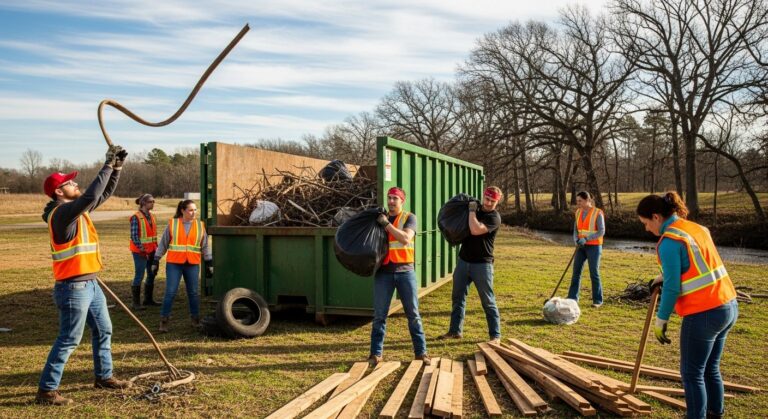
Community cleanups bring Arkansas neighbors together to transform neglected lots, parks, and waterways into vibrant spaces. But the biggest hurdle is often waste disposal. Without a reliable way to haul away debris, even the most enthusiastic volunteers can feel stuck. That is where a community cleanup event dumpster partnership Arkansas comes in. By teaming up with a local dumpster rental company, your group can focus on the work that matters while leaving heavy lifting to the professionals. This article walks you through the steps to set up such a partnership, the benefits it brings, and how to choose the right dumpster provider for your next community event.
Why Partner with a Dumpster Rental Company for Community Cleanups?
Organizing a cleanup involves more than picking up trash. You need a place to put it all. Relying on curbside pickup or personal vehicles quickly becomes inefficient and expensive. A dedicated dumpster solves these problems. When you form a community cleanup event dumpster partnership Arkansas, you unlock several key advantages:
- Cost savings – Many dumpster companies offer reduced rates or even free drop-off for registered nonprofit or neighborhood cleanups.
- Convenience – A single large dumpster parked at the cleanup site lets volunteers dump bags and bulky items without making multiple trips.
- Safety – Sharp metal, broken glass, and heavy debris are contained in one secure container instead of piling up on sidewalks.
- Environmental impact – Professional partners often sort recyclables and keep more waste out of Arkansas landfills.
These benefits make the partnership model a win for everyone. Volunteers stay motivated when they see progress, and the community gains a cleaner environment without the logistical headaches. In our Keep Arkansas Beautiful Community Cleanup Dumpster Guide, we outline specific steps to connect with local programs that support such initiatives.
How to Establish a Community Cleanup Dumpster Partnership in Arkansas
Setting up a partnership requires planning but is straightforward. Follow these steps to create a successful collaboration:
- Define your cleanup scope – Estimate the number of volunteers, the type of waste (yard debris, household junk, construction leftovers), and the area you will cover. This helps you determine the dumpster size and number needed.
- Identify potential dumpster partners – Look for Arkansas-based rental companies that serve your region. Many have specific programs for community events. Check their websites or call to ask about nonprofit rates.
- Reach out early – Contact partners at least two to four weeks before your event. Popular cleanup dates (spring and fall) fill quickly. Provide details about your group, expected waste volume, and any sponsorship opportunities.
- Negotiate the terms – Discuss rental duration, delivery and pickup times, weight limits, and prohibited items. Some companies offer a free dumpster for a limited time if your event is part of a recognized program like Keep Arkansas Beautiful.
- Promote the partnership – Publicize the dumpster partner in your event materials. This shows community support and encourages more volunteers. It also builds goodwill for future collaborations.
Once the agreement is signed, coordinate with the rental company on drop-off location. Ensure the spot is accessible for the truck and does not block traffic. On event day, assign volunteers to monitor the dumpster to prevent prohibited items (like hazardous waste) from being tossed in. After the event, the company will haul the dumpster away and dispose of the waste responsibly.
What to Look for in a Dumpster Partner
Not all dumpster rentals are created equal. When evaluating potential partners for your community cleanup event dumpster partnership Arkansas, consider these factors:
- Reliability – Read reviews and ask for references. You need a company that delivers on time and picks up as scheduled.
- Dumpster sizes – Common sizes for cleanups are 10-yard (small loads like yard waste), 20-yard (general household trash), and 30-yard (bulky items and renovation debris). Choose the size that matches your expected volume.
- Pricing transparency – Ask about all fees: delivery, pickup, rental period, weight overage, and disposal. A transparent quote prevents surprises.
- Recycling options – Some companies separate recyclables from trash at their facility. If your cleanup targets specific materials (e.g., metal, electronics), confirm they can handle them properly.
Dumpster Sizes for Different Cleanup Scales
A small neighborhood cleanup with 20 volunteers might only need a 10-yard dumpster. That size holds about three pickup truck loads of debris. For a larger park or riverbank cleanup involving 50 or more people, a 20-yard or 30-yard container is better. If you are unsure, most rental companies will help you estimate based on the area you plan to cover and the type of waste. Overestimating is safer than underestimating, but you can often upgrade within 24 hours if needed.
Success Stories and Tips from Arkansas Communities
Across Arkansas, towns and neighborhoods have used dumpster partnerships to achieve remarkable results. In Fayetteville, a local homeowners association partnered with a rental company to clear an overgrown lot. They filled a 30-yard dumpster with brush, old tires, and discarded furniture in one Saturday. The partnership cost them only a fraction of what separate hauls would have. In Little Rock, a church group organized a spring cleanup and received a free dumpster donation from a company looking to give back. The event collected over two tons of trash and recyclables.
Key lessons from these experiences: start planning early, communicate clearly with your dumpster partner about what is allowed, and thank them publicly. A simple social media post or mention in the local newspaper can strengthen the relationship for future events. Also, consider forming an annual partnership. Many companies welcome repeat business and may offer better terms to loyal community partners.
One tip that saves headaches: designate a volunteer as the dumpster captain. This person greets the delivery driver, places cones around the container, and supervises usage throughout the day. They also ensure no one tosses prohibited items like paint, batteries, or electronics. Most dumpster partners provide a list of banned materials upfront.
Frequently Asked Questions About Community Cleanup Dumpster Partnerships
Can I get a dumpster for free for my community cleanup? Some companies offer free or deeply discounted dumpsters for nonprofit events, especially if your group is part of Keep Arkansas Beautiful or similar programs. It never hurts to ask. Be prepared to explain your mission and the number of volunteers involved.
How long can I keep the dumpster? Typical rentals last one to three days. For a one-day cleanup, a 24-hour rental is usually enough. If you need extra time, negotiate a longer period or ask about weekend rates.
What happens if the dumpster gets too heavy? Dumpsters have weight limits. Exceeding them incurs overage fees. To avoid this, focus on light, bulky items like furniture and yard waste rather than heavy materials like concrete or dirt. Your partner can advise on weight limits.
Do I need a permit to place a dumpster on the street? In many Arkansas cities, a temporary dumpster placed on public property requires a permit from the local public works department. Your dumpster partner can often handle the paperwork or guide you. If the dumpster stays on private property (e.g., a church parking lot), permits are usually not needed.
These questions come up frequently among organizers. The best approach is to ask your dumpster partner directly during the planning phase. They have local knowledge and can guide you through any regulatory requirements.
A community cleanup event dumpster partnership Arkansas is a smart way to amplify your group’s impact. By aligning with a professional waste management company, you remove the biggest barrier to a successful cleanup: how to get rid of the debris. Volunteers stay focused, the neighborhood looks better, and the environment benefits. Start reaching out to potential partners today, and turn your next cleanup into a model of community collaboration.