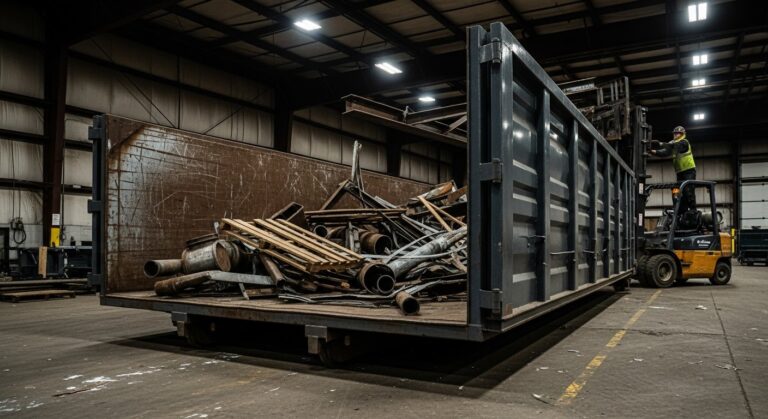
Industrial facilities in Arkansas face unique waste disposal challenges that standard residential or commercial dumpsters cannot handle. From manufacturing byproducts and construction debris to hazardous materials and heavy scrap metal, managing industrial waste requires specialized equipment, strict regulatory compliance, and reliable logistics. Rolloff dumpsters designed for industrial applications offer the capacity and durability needed to keep operations running smoothly while meeting environmental standards. Understanding how to select, size, and deploy these containers is critical for facility managers, project supervisors, and business owners across the Natural State.
Why Industrial Facilities Need Dedicated Rolloff Dumpsters
Industrial waste streams differ significantly from household trash or light commercial refuse. Factories, warehouses, processing plants, and large-scale construction sites generate high volumes of dense, abrasive, and sometimes hazardous materials. Standard front-load or rear-load dumpsters lack the structural integrity and volume to handle this type of waste efficiently. Rolloff dumpsters, with their open-top design and steel construction, provide the necessary strength and accessibility for heavy loads.
Beyond physical capacity, industrial operations must comply with Arkansas Department of Energy and Environment regulations and federal EPA guidelines. Improper disposal of industrial waste can result in substantial fines, legal liability, and environmental damage. Using proper rolloff dumpsters ensures that waste is contained, transported, and processed according to state and federal laws. This reduces risk for the business and protects the surrounding community.
Another key advantage is operational efficiency. Industrial projects often run on tight schedules. Delays caused by overflowing waste bins or waiting for pickups can halt production and increase costs. Rolloff dumpsters are delivered on demand, swapped out when full, and can be scheduled for regular service intervals. This keeps the worksite clean, safe, and productive.
Types of Industrial Waste Suitable for Rolloff Dumpsters
Not all industrial waste is the same, and different materials require different handling approaches. The most common categories of industrial waste that rolloff dumpsters accommodate in Arkansas include:
- Construction and demolition debris: concrete, brick, wood, drywall, roofing materials, and metal framing from industrial building projects or renovations.
- Manufacturing scrap: metal shavings, plastic trimmings, cardboard, packaging waste, and defective products from assembly lines.
- Non-hazardous industrial sludge: materials like foundry sand, filter cake, and inert byproducts that are not classified as hazardous under RCRA.
- Bulky waste: pallets, crates, machinery parts, and large equipment that cannot fit in standard containers.
- Mixed industrial refuse: general waste from break rooms, offices, and maintenance areas combined with light manufacturing scrap.
Each waste type may have specific weight limits, contamination restrictions, and disposal facility requirements. For example, concrete and asphalt are heavy and require a dumpster rated for high tonnage. Mixed loads with food waste or liquids may need special liners or additional fees. Knowing these details before ordering helps avoid service interruptions and unexpected charges.
Selecting the Right Dumpster Size for Industrial Projects
Choosing the correct dumpster size is one of the most important decisions in industrial waste management. An undersized container leads to overflow, extra hauling trips, and higher costs. An oversized container wastes space and money. The most common rolloff dumpster sizes for industrial use in Arkansas are 20-yard, 30-yard, and 40-yard models.
A 20-yard dumpster works well for smaller industrial cleanouts, light manufacturing waste, or renovation projects. It holds approximately 20 cubic yards of material, which is roughly equivalent to six pickup truck loads. This size is suitable for facilities that generate moderate waste volumes and have limited space for container placement.
The 30-yard dumpster is the most versatile option for industrial applications. It handles larger volumes of mixed waste, including bulky items and heavier debris. Many Arkansas manufacturing plants and warehouses use 30-yard rolloffs for ongoing waste collection. The dimensions typically allow for easy loading with heavy equipment like forklifts or skid steers.
For major industrial projects such as plant expansions, demolitions, or large-scale cleanouts, the 40-yard dumpster is the preferred choice. It holds up to 40 cubic yards and can accommodate extremely heavy loads when properly rated. This size is also common for disaster cleanup after storms or fires at industrial sites. However, it requires significant space for placement and must be positioned on a stable, level surface.
Regulatory Compliance for Industrial Waste in Arkansas
Arkansas industrial waste generators must follow strict guidelines to avoid environmental penalties. The Arkansas Department of Energy and Environment Division of Environmental Quality regulates waste disposal through permits, reporting requirements, and inspections. Rolloff dumpsters used for industrial waste must be properly labeled, maintained, and tracked from generation to final disposal.
Hazardous waste, such as solvents, paints, chemicals, and contaminated materials, cannot be placed in standard rolloff dumpsters. Generators must use specialized containers and licensed transporters for hazardous materials. Non-hazardous industrial waste still requires documentation such as waste profiles and manifests to ensure proper handling at disposal facilities. Working with a waste management provider familiar with Arkansas regulations simplifies this process.
Additionally, industrial facilities should conduct regular waste audits to identify opportunities for reduction, recycling, and cost savings. Many materials like scrap metal, cardboard, and clean wood can be recycled instead of landfilled. Rolloff dumpsters can be dedicated to recyclable streams, which reduces disposal costs and supports sustainability goals. Some Arkansas providers offer single-stream recycling rolloffs that simplify separation at the source.
Logistics and Placement Considerations
Proper placement of rolloff dumpsters on industrial sites affects both safety and efficiency. The container must be positioned on a hard, level surface capable of supporting the loaded weight. Asphalt, concrete, or compacted gravel works best. Soft ground or slopes can cause the dumpster to shift or sink, creating hazards for workers and equipment.
Access for delivery and pickup trucks is another critical factor. Rolloff trucks require a clear path with adequate turning radius and overhead clearance. Overhead power lines, low-hanging tree branches, and building overhangs must be avoided. The drop-off area should be marked and free of obstacles. Communication with the waste management provider about site conditions ensures a smooth delivery and removal process.
Security is also a concern for industrial locations. Unattended dumpsters can attract unauthorized dumping or vandalism. Locking lids, fence enclosures, and security cameras help protect the container and its contents. Some Arkansas providers offer locking mechanisms that prevent unauthorized access while allowing authorized personnel to load waste easily.
Cost Factors and Budgeting for Industrial Rolloff Services
The cost of renting rolloff dumpsters for industrial waste management in Arkansas depends on several variables. Dumpster size, rental duration, waste type, and disposal fees all influence the final price. Understanding these factors helps businesses budget accurately and avoid surprise expenses.
Larger dumpsters generally cost more to rent per day but may reduce the number of hauls needed, potentially lowering overall project costs. Heavier waste types like concrete or metal incur higher disposal fees because landfills charge by weight. Some providers include a set weight limit in the rental price, with additional charges for overweight loads. Confirming weight allowances before signing a contract prevents unexpected overage bills.
Rental duration also matters. Industrial projects often require dumpsters for weeks or months. Many providers offer flexible rental periods with daily, weekly, or monthly rates. Longer rentals typically come with discounted rates. However, keeping a dumpster longer than needed ties up capital and space. Planning the rental timeline around project milestones optimizes cost efficiency.
For businesses with ongoing waste needs, a scheduled service agreement may be more cost-effective than individual rentals. These contracts provide predictable pricing, regular pickups, and priority service. Some Arkansas waste management companies offer volume-based pricing that adjusts to waste generation fluctuations, helping industrial facilities control costs during slow periods.
Choosing a Reliable Provider in Arkansas
Selecting the right waste management partner is essential for successful industrial operations. The provider should have experience handling industrial waste, knowledge of local regulations, and a fleet of well-maintained rolloff dumpsters. Ask about their disposal facilities, recycling capabilities, and response times for emergency pickups.
Customer service and communication are also important. A provider that offers online ordering, account management, and transparent invoicing simplifies the rental process. Reading reviews and asking for references from other industrial clients can reveal the provider’s reliability and professionalism.
In our guide on Corning Roll Off Services: Streamlined Waste Management for Your Project, we explain how to evaluate local providers and match services to project needs. The same principles apply across Arkansas: look for a company that prioritizes safety, compliance, and customer satisfaction.
Safety Practices for Loading and Using Industrial Rolloff Dumpsters
Worker safety should be a top priority when using rolloff dumpsters in industrial settings. Loading heavy or sharp materials requires proper personal protective equipment including gloves, steel-toed boots, and hard hats. Workers should avoid overloading the dumpster beyond its rated capacity or filling it above the rim line, as this creates hazards during transport.
Prohibited items should never be placed in rolloff dumpsters. Tires, batteries, electronics, hazardous chemicals, and liquids require separate disposal methods. Mixing these materials with general waste can cause fires, spills, or contamination. Posting clear signage on the dumpster listing prohibited items helps prevent mistakes.
Safe loading techniques also reduce risk. Heavy items should be placed at the bottom and distributed evenly. Sharp objects should be contained or wrapped to prevent punctures. When using heavy equipment to load the dumpster, operators must maintain a safe distance from the container edges. Regular inspections of the dumpster for damage or wear ensure it remains safe for continued use.
Environmental Benefits of Proper Industrial Waste Management
Effective industrial waste management goes beyond compliance and cost savings. It also contributes to environmental stewardship in Arkansas. Using rolloff dumpsters correctly ensures that waste is contained and transported without littering or contaminating the surrounding area. Recycling programs integrated with dumpster services reduce the volume of material sent to landfills, conserving natural resources and reducing greenhouse gas emissions.
Many industrial waste streams contain valuable materials that can be recovered. Scrap metal, for example, is highly recyclable and can be sold to processors. Clean wood can be chipped for mulch or biomass fuel. Cardboard and paper are easily recycled into new products. By separating these materials at the source using dedicated rolloff dumpsters, industrial facilities can generate revenue or offset disposal costs while supporting a circular economy.
Advanced waste management providers in Arkansas offer data reporting that tracks diversion rates, waste composition, and carbon footprint reduction. This information helps industrial clients set sustainability targets, demonstrate corporate responsibility, and comply with green building certifications like LEED. Investing in proper waste management infrastructure today positions Arkansas businesses for long-term environmental and economic success.
From selecting the right dumpster size to navigating state regulations and choosing a trusted partner, industrial waste management with rolloff dumpsters in Arkansas requires careful planning and execution. Facilities that prioritize these elements enjoy cleaner worksites, lower costs, reduced liability, and a stronger reputation in their communities. The right approach turns a routine operational task into a strategic advantage.