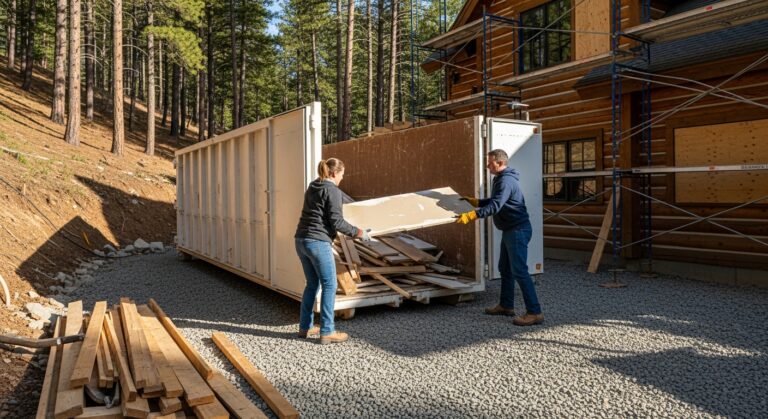
Owning a property in a mountain community presents unique joys and equally unique challenges, especially when it comes to managing debris from projects. Whether you’re tackling a major renovation, clearing land for a new build, or simply doing a deep seasonal cleanup, the logistics of waste removal can be daunting. In rural or semi-rural settings, municipal pickup services are often unavailable, and the last thing you want is a pile of construction materials or yard waste detracting from your property’s natural beauty. This is where understanding and planning for a mountain home waste rental becomes a critical part of responsible property management. A well-chosen dumpster or roll-off container is not just a convenience; it’s a strategic tool for maintaining your sanctuary and ensuring your project runs smoothly, safely, and in compliance with local regulations.
Why Mountain Home Waste Disposal Requires Special Consideration
Disposing of waste at a mountain property is fundamentally different from handling it in a suburban neighborhood. The terrain itself introduces complexities. Steep, winding driveways or long, unpaved access roads can limit the size and type of delivery vehicle a rental company can use. The remoteness often means fewer service providers to choose from, potentially affecting availability and cost. Furthermore, environmental sensitivity is paramount. Mountain ecosystems are delicate, and local regulations frequently have strict rules about what can be disposed of and where, with particular attention paid to preventing soil erosion and protecting watersheds from contamination. A standard waste rental process doesn’t always account for these factors, making it essential for homeowners to approach the task with a clear, informed plan that prioritizes the specific needs of their location.
Choosing the Right Container for Your Mountain Project
The cornerstone of effective project waste management is selecting the appropriate container. This decision impacts cost, efficiency, and site safety. Container sizes are typically measured in cubic yards, and choosing correctly depends on both the scale of your project and the physical constraints of your property. For a mountain home, placement is a critical first consideration. You’ll need a flat, stable area that is easily accessible for the delivery truck’s arm and can support the weight of a loaded container, which can be substantial. It’s also wise to consider protection for your driveway; placing plywood underneath the container’s supports can help prevent damage to asphalt or gravel surfaces.
Once you’ve identified a suitable location, you can match the container to your project scope. Here is a general guide to common dumpster sizes and their best uses for mountain home projects:
- 10-Yard Container: Ideal for small cleanouts, minor bathroom remodels, or deck repairs. Its compact size makes it easier to place in tighter spaces common on mountain lots.
- 20-Yard Container: The most popular choice for mid-sized projects like kitchen renovations, significant landscaping debris removal, or roof replacements (for a standard-sized home). It offers a balance of capacity and manageable footprint.
- 30-Yard Container: Suited for large projects such as whole-house renovations, major additions, or new construction framing cleanups. Ensure your site has ample space for delivery and that the ground can bear the load when full.
- 40-Yard Container: Reserved for the largest endeavors, like full home demolitions or extensive land clearing. Due to their size and weight, these require verified, robust placement sites and may have limited delivery feasibility on difficult terrain.
Always discuss your specific property details access with the rental company before booking. A reputable provider will ask questions about your driveway grade, overhead obstacles like trees or wires, and surface conditions to ensure a smooth delivery.
Navigating Permits, Regulations, and Prohibited Items
In many mountain towns and counties, placing a waste rental container on your property is straightforward, but placing it on a public right-of-way like a street or shoulder almost always requires a permit. This is a crucial step that homeowners often overlook. Local authorities issue these permits to ensure the container doesn’t obstruct traffic, block drainage, or pose a safety hazard. The rental company may assist with this process for a fee, but the responsibility ultimately falls on the property owner. Failing to secure a necessary permit can result in fines or an order to immediately remove the container, derailing your project timeline.
Equally important is understanding what you cannot throw into your rented dumpster. Hazardous materials are universally prohibited and require special disposal methods. For mountain homes, being mindful of these rules is part of environmental stewardship. Common prohibited items include paints, solvents, chemicals, batteries, tires, and appliances with refrigerants (like old air conditioners or refrigerators). Some companies also have restrictions on heavy materials like concrete, dirt, or asphalt, as they exceed weight limits. Always request a clear list of prohibited items from your provider. For landscaping projects, be aware that some areas may have specific rules about disposing of certain invasive plant species to prevent their spread.
Maximizing Value and Ensuring a Smooth Rental Experience
To get the most out of your mountain home waste rental, a little planning goes a long way. Start by obtaining quotes from several local providers. Be prepared to give detailed information about your project type, estimated waste volume, and your property’s access specifics. Look for transparent pricing that includes delivery, pickup, disposal fees, and a set rental period (commonly 7-10 days). Be wary of quotes that seem unusually low, as they may hide extra fees for weight overages or extended rental time.
Once the container arrives, load it strategically. Distribute weight evenly and break down large items to save space. Avoid overfilling the container above its rim, as this is a safety hazard during transport and will likely result in an extra fee. Keep a clear path to the container for easy loading throughout your project. If you realize you need more time, contact the rental company in advance to arrange an extension. Similarly, if you fill the container faster than expected, schedule an early pickup to keep your site safe and clear. Building a good relationship with a reliable local waste rental service is an invaluable asset for any mountain homeowner, as future projects and maintenance will inevitably arise.
By integrating a well-planned waste rental strategy into your project blueprint, you protect the natural appeal of your property and contribute to the broader health of the mountain community. It transforms a potential logistical headache into a seamless component of your renovation or cleanup, allowing you to focus on the results: a beautiful, well-maintained mountain retreat. The peace of mind that comes from a clean, organized worksite is as valuable as the stunning views, ensuring your project concludes as successfully as it began.