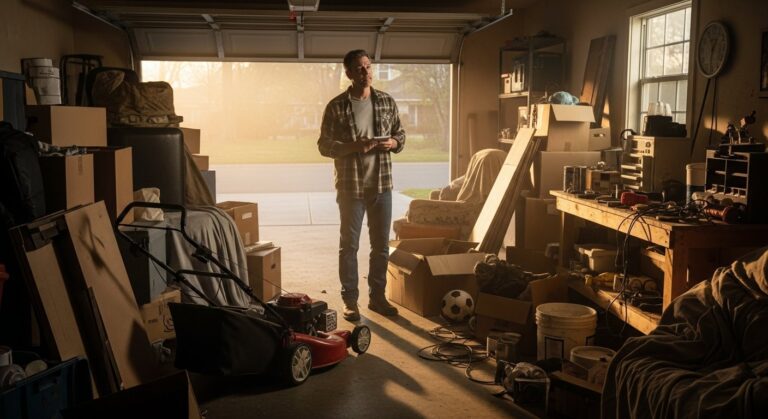
Standing in your garage surrounded by boxes of old holiday decorations, broken lawn equipment, and furniture that has seen better days, you realize the pile has become a small mountain. The task of clearing it all out feels overwhelming, and you know a dumpster is the answer. But simply ordering a dumpster and throwing things in is not quite that simple. Properly preparing your home and property for a junk removal dumpster in Arkansas can save you time, money, and a great deal of frustration. Taking a few deliberate steps before the dumpster arrives transforms a chaotic cleanup into a smooth, efficient operation.
Assess the Scope of Your Cleanout Project
Before you call for a dumpster, walk through your home and property with a critical eye. Arkansas homeowners often face unique challenges, from clearing out storm-damaged debris after a spring tornado to tackling a multi-generational estate cleanout in a historic Little Rock home. Understanding the volume and type of waste you will generate is the first step in preparing your home for junk removal dumpster Arkansas style.
Create a rough inventory of what needs to go. Separate items into categories: furniture, appliances, yard waste, construction debris, and general household junk. This list helps you choose the correct dumpster size and alerts you to any materials that may require special handling. For example, Arkansas has specific regulations regarding the disposal of tires, batteries, and electronics. Knowing what you have prevents the dumpster company from rejecting your load or charging extra fees.
Consider the timeline. A weekend warrior tackling a garage cleanout might need a 10-yard dumpster for two days. A full home renovation, however, could require a 20-yard or 30-yard container for a week or more. Matching the dumpster size and rental period to your project scope is a critical part of the preparation process.
Choose the Correct Dumpster Size and Placement Location
Selecting the right dumpster size directly affects how smoothly your cleanout progresses. In our guide on Choosing the Right Junk Removal Dumpster for Your Project, we break down the typical sizes and their best uses. For a standard home cleanout in Arkansas, a 10-yard or 15-yard dumpster usually works well for a single room or garage. Larger projects like a full basement cleanout or a major renovation often require a 20-yard or 30-yard container.
Placement is equally important. Before the dumpster arrives, identify a flat, solid surface on your property. Driveways are ideal because they can support the weight of a fully loaded dumpster. If you must place the dumpster on a lawn, consider laying down plywood sheets to protect the grass from damage. Arkansas clay soil can become a muddy mess under a heavy dumpster after a rainstorm. Check for overhead obstacles like low-hanging tree branches, power lines, or awnings. The delivery truck needs a clear path to drop off and later pick up the container.
If your driveway is narrow or your property has limited access, you may need a street permit from your city or county. Contact your local municipal office in Arkansas to ask about permit requirements. Some neighborhoods have HOA rules that restrict dumpster placement. Handling these details before delivery day prevents costly delays.
Secure Necessary Permits and Notify Neighbors
Arkansas cities vary widely in their regulations regarding dumpster placement. In Fayetteville, a permit might be required if the dumpster blocks a sidewalk or extends into the street. In rural areas of the state, permits are rarely needed, but it is always wise to verify with your local code enforcement office. Preparing your home for junk removal dumpster Arkansas regulations means doing your homework.
Notify your immediate neighbors, especially if the dumpster will be visible from their property or if you anticipate noise from loading heavy items. A simple heads-up goes a long way in maintaining good relationships. If you are part of a homeowners association, review the covenants to ensure you are not violating any rules about temporary containers. Some HOAs limit how long a dumpster can remain on the property or require it to be screened from view.
Prepare the Area and Gather Essential Tools
Once the dumpster size is chosen and the placement spot is ready, shift your focus to the physical preparation of the area. Clear the designated spot of any vehicles, debris, or obstacles. If you are placing the dumpster on a driveway, move cars to the street or a neighbor’s driveway for the duration of the rental. Ensure the path from your home to the dumpster is clear and safe to walk with heavy items.
Gather tools that make loading easier and safer. A basic cleanout toolkit includes:
- Work gloves to protect your hands from splinters, sharp metal, and glass
- Heavy-duty trash bags for loose items and smaller debris
- A hand truck or dolly for moving heavy appliances and furniture
- Ratcheting straps to secure items inside the dumpster if needed
- A broom and dustpan for final cleanup after the dumpster is removed
Having these tools on hand before the dumpster arrives means you can start loading immediately rather than making multiple trips to the hardware store. Arkansas weather can be unpredictable, so check the forecast. If rain is expected, have a tarp ready to cover the dumpster to prevent water from accumulating and adding unnecessary weight to your load.
Sort and Segregate Waste Before Loading
Efficient loading begins with smart sorting. Do not simply throw everything into the dumpster randomly. Create separate piles for different material types. This helps you maximize the dumpster space and ensures compliance with disposal rules. For example, Arkansas landfills accept most household waste, but they have restrictions on hazardous materials like paint, chemicals, and oil. Electronics and appliances containing refrigerants also require special handling.
Consider recycling options for items that do not need to go to the landfill. Many Arkansas cities offer recycling drop-off centers for cardboard, metal, and certain plastics. Donating usable furniture, clothing, and household goods to local charities like Goodwill or the Salvation Army can reduce your dumpster load and benefit the community. This sorting step is a key part of preparing your home for junk removal dumpster Arkansas style because it streamlines the entire process.
When you load the dumpster, place heavy items at the bottom and distribute weight evenly. Break down large furniture pieces and boxes to create flat layers. This technique allows you to fit more waste into the container without exceeding the fill line. Overfilling a dumpster is dangerous and may result in additional fees from the rental company.
Understand Prohibited Items and Weight Limits
Every dumpster rental company in Arkansas has a list of prohibited items. Common examples include tires, batteries, paint cans, fluorescent bulbs, medical waste, and any type of hazardous material. Asbestos, oil drums, and propane tanks are almost always banned. Before you start loading, review the rental agreement carefully. Violating these rules can lead to fines or the dumpster company refusing to pick up the container.
Weight limits are another critical factor. Dumpsters come with a maximum weight allowance, typically measured in tons. For example, a 10-yard dumpster might have a 2-ton limit. Exceeding this limit triggers overage charges that can double your rental cost. Heavy materials like concrete, brick, dirt, and roofing shingles require a specialized heavy debris dumpster. If your project includes substantial amounts of these materials, inform the rental company so they can provide the appropriate container.
Keep a running estimate of the weight as you load. If you are unsure, ask the rental company for guidance. They can often give you a rough idea based on the type of waste and the dumpster size. Being honest about your waste composition during the booking process ensures you get the right dumpster and avoid surprise bills.
Plan Your Loading Strategy for Maximum Efficiency
Loading a dumpster is not just about tossing items in. A strategic approach saves space and reduces the number of trips. Start with flat, heavy items like scrap wood, plywood, and broken furniture pieces. Lay them flat on the bottom to create a stable base. Then add bulkier items like mattresses, sofas, and large boxes. Fill gaps with smaller items and loose debris.
Use the walk-in door if your dumpster has one. Many larger dumpsters feature a hinged door that allows you to walk inside and stack items against the walls. This feature is especially useful for loading heavy or awkward items. Always load to the fill line marked on the dumpster walls. Never pile items above this line, as it creates a safety hazard during transport and may violate local ordinances.
Consider the pickup day. Schedule your cleanout so that you finish loading at least a few hours before the scheduled pickup time. This buffer allows you to handle any last-minute items and ensures the dumpster is ready when the truck arrives. If you need more time, contact the rental company in advance to extend the rental period.
Protect Your Property During the Cleanout
During the loading process, take steps to protect your home and landscaping. Place drop cloths or old sheets on floors to prevent scratches and dirt from spreading. Use plywood or cardboard to create a path from your door to the dumpster if you are crossing a lawn. Arkansas summers can be hot, so stay hydrated and take breaks to avoid heat exhaustion.
If you are moving heavy items through doorways or down stairs, measure the openings first to ensure the items fit. Disassemble large furniture pieces before attempting to move them. This prevents damage to your walls and door frames. For extremely heavy items like cast iron bathtubs or grand pianos, hire professional movers or ask the dumpster company if they offer loading assistance.
Keep children and pets away from the loading area. The dumpster itself can be a hazard, especially if it is open and children decide to climb inside. The sharp edges of broken items and the weight of falling debris pose serious risks. Establish a safe zone and supervise the area until the dumpster is removed.
Coordinate the Final Pickup and Cleanup
As the rental period comes to an end, do a final walkthrough of your property. Check for any items that might have been overlooked. Ensure the dumpster is not overfilled and that the contents are level. Remove any items that are prohibited and dispose of them separately. If you have leftover hazardous materials, contact your local Arkansas waste management authority for disposal options.
Clean up the area around the dumpster. Sweep up debris, remove any dirt or mud that was tracked onto the driveway, and dispose of any trash that fell out during loading. This final step leaves your property looking clean and prevents any issues with neighbors or homeowners associations. When the dumpster is picked up, the truck driver will inspect the load. A clean, well-organized dumpster makes the pickup process quick and trouble-free.
Preparing your home for junk removal dumpster Arkansas requires a bit of upfront planning, but the payoff is a stress-free cleanout that stays on schedule and on budget. By assessing your project, choosing the right dumpster, securing permits, sorting waste, and loading efficiently, you turn a daunting chore into a manageable task. Your home will be cleaner, your property will be safer, and you will have reclaimed valuable space for the things that matter most.