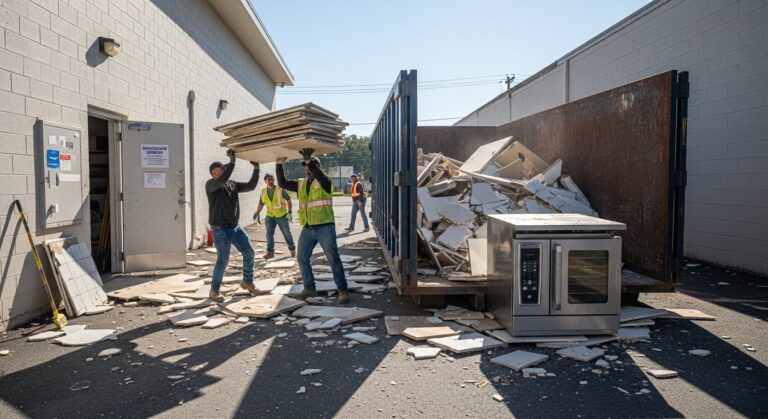
When you decide to remodel a restaurant in Arkansas, the first reality check often comes from the pile of debris that accumulates faster than a lunch rush. Old kitchen equipment, demolished drywall, broken tiles, and packaging from new fixtures can overwhelm any parking lot or alleyway. Without a proper waste plan, your renovation timeline slips, health inspectors take notice, and your budget leaks money into unnecessary fees. A dedicated dumpster rental tailored for restaurant renovation in Arkansas solves these problems before they start.
Restaurant renovations present unique challenges that a typical home remodel does not. You are working against a ticking clock because every day the doors are closed is a day without revenue. You also face strict health department codes that require debris to be contained and removed promptly. Furthermore, the volume and weight of commercial-grade materials demand a container that can handle heavy loads without requiring multiple pickups. This is where specialized restaurant renovation dumpster rental in Arkansas becomes a strategic move rather than just a disposal option.
In the sections that follow, we will break down exactly what you need to know before renting a dumpster for a restaurant overhaul. We will cover sizing, permitting, material restrictions, cost factors, and how to coordinate delivery and pickup so that your project stays on schedule. By the end, you will have a clear roadmap for keeping your renovation site clean, compliant, and efficient.
Why Restaurant Renovation Demands Specialized Dumpster Rental
A standard residential dumpster might work for a bathroom refresh, but a restaurant renovation generates waste that is heavier, bulkier, and sometimes hazardous. Commercial kitchens contain stainless steel sinks, fryers, grills, exhaust hoods, and refrigeration units. These items do not break down easily and often require separate disposal streams. A dumpster that is too small forces you to schedule multiple hauls, which drives up costs and eats into your renovation window.
Moreover, restaurant renovation waste includes materials like grease traps, old piping, and electrical components. Some of these items fall under special waste categories that require proper handling. A rental provider experienced in commercial projects understands these nuances and can guide you on what can go into the dumpster versus what needs separate disposal. This expertise prevents surprise fees and keeps your project in compliance with local regulations.
Another factor is the location of the dumpster. Restaurants are often situated in tight urban lots, strip malls, or downtown districts with limited space. You need a container that fits without blocking customer access for neighboring businesses or violating lease agreements. A professional rental service will help you select the right size and placement to minimize disruption while maximizing efficiency.
Choosing the Right Dumpster Size for Your Restaurant Project
Dumpster sizes are typically measured in cubic yards, and the most common options for restaurant renovations range from 10 to 40 yards. A 10-yard dumpster works for small cafes or quick-service updates where you are replacing a few fixtures. A 20-yard container suits a full kitchen gut and remodel for a medium-sized restaurant. For a large-scale overhaul that includes demolition of walls, flooring, and multiple kitchen stations, a 30 or 40-yard dumpster is usually necessary.
To estimate your needs, consider the scope of demolition and the type of materials involved. Here are some guidelines to help you decide:
- 10-15 yards: Ideal for minor renovations such as replacing countertops, updating lighting, or removing a few appliances. Fits in compact spaces and is easy to place on a narrow driveway or alley.
- 20 yards: Best for gutting a single kitchen line, removing old flooring, and disposing of drywall and insulation. Handles roughly six tons of debris.
- 30 yards: Suitable for full restaurant demolition including walls, ceiling tiles, and multiple heavy appliances. Requires a larger footprint but reduces the need for multiple hauls.
- 40 yards: Used for major structural renovations or when you have significant concrete, brick, or steel waste. Often used when the entire interior is stripped to the studs.
If you are uncertain, it is safer to rent a slightly larger dumpster than to run out of space mid-project. Running out of space leads to delays while you wait for a swap or additional container. Those delays can cost thousands in lost revenue and extended labor. Many rental companies allow you to upgrade mid-rental, but that usually comes with extra fees and logistical hiccups.
Permits and Local Regulations in Arkansas
Dumpster placement on public property such as streets or sidewalks typically requires a permit from the city or county. In Arkansas, regulations vary by municipality. For example, Little Rock, Fayetteville, and Fort Smith each have their own rules regarding container placement, duration, and safety markings. Even if you place the dumpster on your own property, you may need to comply with homeowners association rules or commercial lease terms.
Before delivery, check with your local public works department or building permits office. Ask about the following:
- Permit fees and application process: Some cities charge a flat fee per week, while others require a one-time permit. Processing can take a few days, so apply early.
- Placement restrictions: Many municipalities require reflective cones, barricades, or night-time lighting if the dumpster is near a roadway. You may also need to keep the container a certain distance from fire hydrants, driveways, and intersections.
- Time limits: Permits usually specify a maximum rental period, often 7 to 30 days. Extensions may be available but require additional fees.
Your dumpster rental provider can often assist with permit questions or even handle the application on your behalf. When you choose a company that frequently serves the restaurant industry in Arkansas, they will already know the local requirements and can advise you accordingly. This saves you from costly fines and forced removal of the dumpster mid-renovation.
What Can and Cannot Go Into Your Dumpster
Even with a dedicated dumpster, certain materials are prohibited due to environmental regulations or safety hazards. Understanding these restrictions ahead of time prevents rejected loads and extra charges. The most common restricted items in restaurant renovation waste include:
- Refrigerants and appliances: Refrigerators, freezers, and air conditioning units contain Freon or other refrigerants that must be evacuated by a certified technician before disposal. Many rental companies require proof of evacuation or will not accept these items at all.
- Grease and oil: Used cooking oil and grease trap waste are considered hazardous and cannot be dumped into a standard roll-off container. These require specialized collection services.
- Electronics and batteries: Old point-of-sale systems, computers, monitors, and batteries contain heavy metals and must be recycled separately.
- Chemicals and paints: Cleaning solvents, paint thinners, and aerosol cans are flammable and toxic. They need to be taken to a household hazardous waste facility.
- Tires and batteries: These are often banned from landfills and require separate recycling streams.
Acceptable materials generally include construction debris such as wood, drywall, metal, cardboard, tiles, carpet, and concrete (up to a certain weight limit). Appliances that have been drained of fluids and have no refrigerants are usually allowed, but confirm with your provider. When in doubt, ask before loading. A good rule of thumb is to keep all waste dry and free of food scraps to avoid attracting pests and odors.
Cost Factors for Restaurant Renovation Dumpster Rental in Arkansas
Pricing for a dumpster rental in Arkansas depends on several variables. Understanding these factors helps you budget accurately and avoid sticker shock. The main cost drivers are size, rental duration, weight of debris, and type of materials. Here is what to expect:
- Base rental fee: This covers delivery, pickup, and a set number of days (usually 7 to 14). Prices for a 20-yard dumpster typically range from $350 to $600, while 40-yard containers can cost $600 to $1,000 or more.
- Overweight charges: Most rentals include a weight allowance, often between 2 and 6 tons depending on size. Exceeding that limit incurs a per-ton fee that can add $50 to $150 per extra ton. Heavy materials like concrete, brick, and dirt add weight quickly.
- Additional days: Extending your rental beyond the included period usually costs $10 to $30 per day. Plan your schedule carefully to avoid unnecessary extension fees.
- Special waste fees: If you dispose of items like mattresses, tires, or electronics, there may be surcharges. Some providers charge a flat fee per item, while others charge by weight.
- Permit fees: If a permit is required, you will pay the city fee plus any administrative fee the rental company charges for handling the paperwork.
To get the best value, request quotes from at least three providers in Arkansas. Be upfront about the type of waste and the expected volume. A reputable company will give you a transparent estimate with no hidden fees. Ask if they offer discounts for commercial clients or long-term projects. Some providers also offer weekend or same-day delivery for an additional fee, which can be worth it if you are on a tight timeline.
Coordinating Delivery and Pickup During Renovation
Timing is everything in a restaurant renovation. You want the dumpster delivered just before demolition begins and picked up as soon as the last load is thrown away. To make this work, communicate your schedule clearly with the rental company. Provide them with a specific delivery date and time window. If possible, have someone on site to direct the driver to the exact placement spot.
Consider the following coordination tips:
- Place the dumpster in a location that does not block emergency exits, fire lanes, or delivery access for neighboring businesses. If you are in a shared strip mall, get approval from the property manager beforehand.
- Protect the ground underneath the dumpster by laying plywood or heavy-duty tarps. This prevents oil stains, scratches, and damage to asphalt or concrete. Some rental companies provide ground protection as part of the service.
- Schedule pickup for a day when you know the dumpster will be full. Avoid calling for pickup too early, which wastes capacity, or too late, which incurs extra days. A good practice is to call for pickup one to two days before you expect the container to be full so the driver can schedule the haul.
- Keep the area around the dumpster clear of vehicles and debris. The driver needs room to maneuver the truck and lift the container. Obstructions can delay pickup or cause damage.
If your renovation involves multiple phases, you may need to swap out dumpsters or schedule multiple pickups. Discuss this with your rental provider at the outset. Some companies offer a roll-off service where they drop off a fresh container and take away the full one on the same trip. This minimizes downtime and keeps your worksite flowing smoothly.
Safety and Compliance on the Jobsite
A dumpster full of heavy debris poses safety risks if not managed properly. Sharp metal edges, protruding rebar, and unstable piles can cause injuries. Implement a few simple safety measures to protect your crew and pass any inspections:
- Do not overfill the dumpster. Debris should not extend above the rim of the container. Overfilled dumpsters are hazardous during transport and may violate local ordinances. Most rental companies will refuse to haul an overfilled container until it is leveled.
- Separate hazardous materials as discussed earlier. Mixing prohibited items with general debris can lead to fines and environmental liability.
- Use proper lifting techniques or equipment when loading heavy items. A dolly, hand truck, or small skid steer can prevent back injuries and speed up the process.
- Keep a fire extinguisher nearby. Construction debris can ignite from sparks or discarded smoking materials. A quick response can prevent a small fire from becoming a disaster.
Compliance with Arkansas Department of Environmental Quality (ADEQ) regulations is also critical. ADEQ oversees waste disposal and recycling standards. Your dumpster rental company should be licensed and permitted to transport and dispose of construction debris. Ask for proof of licensing and insurance before signing a contract. This protects you from liability if an accident occurs during transport or disposal.
Streamlining Your Renovation with Professional Waste Management
When you rent a dumpster from a provider that understands the commercial restaurant sector, you gain more than just a container. You get a partner who can advise on waste reduction strategies, recycling options, and efficient loading techniques. For example, some providers offer recycling services for metal, cardboard, and clean wood, which can reduce your disposal costs and support sustainability goals.
Another advantage is the ability to bundle your dumpster rental with other services such as portable toilets or storage containers if your renovation requires them. Many full-service companies in Arkansas offer these add-ons, simplifying your vendor management. One call can handle multiple needs, saving you administrative time.
In our guide on commercial dumpster rental in Arkansas key tips, we explain how to evaluate providers based on reliability, transparency, and customer support. Applying those same criteria to your restaurant renovation dumpster rental ensures you work with a company that will show up on time, handle your waste responsibly, and keep your project moving forward.
Finally, consider the long-term relationship. If you plan to renovate multiple locations or update your restaurant every few years, a consistent dumpster rental partner will know your preferences and can offer loyalty discounts or priority scheduling. Building that relationship now pays off in future projects.
Restaurant renovation in Arkansas does not have to be a logistical nightmare. By choosing the right dumpster size, securing permits in advance, understanding waste restrictions, and coordinating delivery and pickup carefully, you can keep your site clean, safe, and on schedule. The result is a faster reopening, happier customers, and a better bottom line. Start your next renovation with a solid waste management plan, and watch your project run smoother from the first swing of the sledgehammer.