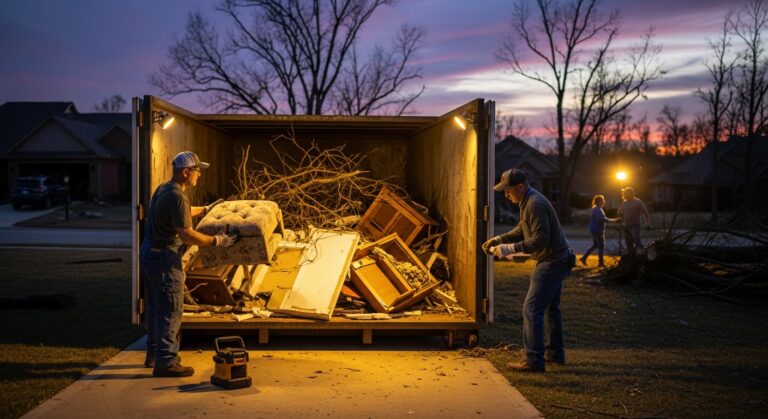
When severe weather strikes or a major renovation project generates mountains of waste, the immediate challenge is finding a reliable, efficient, and cost-effective way to manage the resulting debris. For residents and businesses in Trumann and the surrounding Poinsett County region, the cornerstone of any cleanup strategy is securing a suitable debris container. This comprehensive guide moves beyond a simple rental search to provide a strategic framework for disaster recovery and large-scale waste management. Understanding the nuances of container selection, placement, and legal requirements can transform a chaotic situation into a manageable, step-by-step process, ensuring your property is restored safely and responsibly.
Strategic Planning for Debris Container Use in Trumann
Procuring a debris container is rarely an impulsive decision. It is a critical step in a larger logistical operation, whether triggered by a tornado, flood, major home remodel, or estate clearing. The first phase of this process involves careful assessment and planning. Before you even make a call, conduct a thorough evaluation of the debris site. Document the volume and types of materials you need to dispose of: Is it primarily vegetative debris like fallen trees and limbs from a storm? Construction materials such as drywall, lumber, and concrete? Or a mix of household junk and damaged belongings? This initial categorization is vital because it directly influences the size and type of container you will need. Underestimating volume leads to costly repeat hauls; overestimating wastes money on unused capacity. Furthermore, assess the access to your property. A standard roll-off container delivery requires a clear, firm path—typically a driveway or sturdy yard surface—with adequate overhead clearance from power lines and tree branches.
Selecting the Right Container and Understanding Local Regulations
With your assessment in hand, you can now navigate the selection process. In Trumann, container services typically offer roll-off dumpsters in standard sizes, commonly measured in cubic yards. A 10 or 20-yard container is often sufficient for large yard cleanups or single-room demolition projects, while major renovations or full-home disaster cleanups may require a 30 or 40-yard unit. The type of debris dictates not just size, but also potential restrictions and costs. Most providers have strict rules prohibiting hazardous materials like paints, solvents, batteries, and tires. For large amounts of heavy material like dirt, concrete, or roofing shingles, weight limits become a critical factor; exceeding them incurs significant overage fees.
Navigating local Trumann and Arkansas regulations is an indispensable part of this process. If you plan to place the container on a public street or right-of-way, you will almost certainly need a permit from the City of Trumann. This ensures safety for pedestrians and traffic and protects municipal infrastructure. The rental company can often assist with this, but the responsibility and any associated fees ultimately fall on the renter. For placement on private property, such as a driveway, permits are usually not required, but you should always verify with your rental provider. Understanding these rules upfront prevents delays, fines, and the frustration of having to move a loaded container.
Maximizing Efficiency and Safety During the Cleanup Process
Once the container is delivered to your Trumann location, efficient and safe loading practices are key to optimizing the rental period and protecting yourself and your property. Start by planning the load. Place flat, heavy items like plywood and broken concrete at the bottom to create a stable base. Then, layer lighter, bulkier debris on top. Break down large items whenever possible; disassembling a shed or cutting long branches allows for more compact packing, ultimately letting you fit more into the container. Distribute weight as evenly as you can to avoid creating a dangerous imbalance. Never overload the container beyond its posted fill line; this is a major safety hazard during transport.
Safety must be the overriding priority throughout the cleanup. A debris container site is an active work zone. Adhering to these fundamental safety protocols is non-negotiable:
- Wear Personal Protective Equipment (PPE): Sturdy work gloves, safety glasses, steel-toed boots, and long pants are essential to protect against cuts, punctures, and falling debris.
- Use Proper Lifting Techniques: Lift with your legs, not your back. For heavy or awkward items, always ask for help or use mechanical aids.
- Maintain a Clean Worksite: Keep the area around the container clear of tripping hazards and debris scatter. This is especially important if children or pets are nearby.
- Be Mindful of Overhead Hazards: When loading, always be aware of overhead power lines and tree limbs. Never attempt to throw debris from a rooftop directly into a container.
- Know What NOT to Toss: Reiterate the prohibited items list. Improper disposal of hazardous waste or electronics can have serious environmental and legal consequences.
Beyond physical safety, efficient use of your rental period involves clear communication with your provider. Confirm the agreed-upon rental timeframe and the process for scheduling pickup when you are finished. Most companies include a specific rental period (e.g., 7-10 days) in the base price, with daily overage fees applying after that.
Financial Considerations and Working with Insurance
The financial aspect of renting a debris container in Trumann involves more than just comparing base rental rates. A transparent quote should clearly outline all potential costs: the delivery and pickup fees, the rental rate for the standard period, the allowed weight limit (tons), and the per-ton cost for any overages. It should also specify if the landfill tipping fees are included or are a separate charge. Always get this breakdown in writing. For disaster recovery, a significant portion of debris container costs may be covered by your homeowner’s insurance policy. This is where detailed documentation becomes financially critical. Before you begin cleanup, photograph and videotape all damage extensively. Keep meticulous records of all expenses, including your container rental receipt, labor costs if you hire help, and any related purchases. Submit these documents directly to your insurance adjuster. A professional debris removal service can often provide the detailed, insurance-grade documentation that strengthens your claim and helps ensure you are fully compensated for your loss, turning a major upfront expense into a recoverable cost.
Choosing a Reliable Trumann Debris Container Provider
Your choice of provider will heavily influence the entire experience. Look for a local company with a proven reputation for reliability and clear communication. Key factors to evaluate include their responsiveness to initial inquiries, the clarity of their contract terms, and their willingness to explain the entire process. Check for valid licensing and insurance, which protects you from liability in case of accidents on your property. Read online reviews and ask for local references to gauge their track record for on-time delivery and pickup. A reputable Trumann debris container service acts as a partner in your project, offering guidance on size selection, permit requirements, and loading best practices, not just simply dropping off a metal box.
Successfully managing a major cleanup or project in Trumann hinges on viewing a debris container not as an isolated rental, but as the central tool in a well-considered plan. From the initial damage assessment and regulatory compliance to safe loading practices and nuanced financial handling with insurers, each step builds upon the last. By investing time in strategic planning and partnering with a knowledgeable local provider, you secure more than just a dumpster—you secure control over the situation, paving the way for a smoother, safer, and more cost-effective path to restoring your property.