When planning a demolition or major renovation, managing the sheer volume of debris is one of the most significant logistical and financial challenges. Traditional dumpster methods often fall short, leading to site congestion, project delays, and escalating waste removal costs. For decades, the construction industry has relied on a specific, highly efficient method known as the Tuckerman roll off to solve this problem. This systematic approach to debris management isn’t just about hauling away trash; it’s a critical component of project planning that affects timelines, budgets, and site safety. Understanding how the Tuckerman roll off process works, from the initial placement of the large container to its final removal, is essential for contractors, property managers, and homeowners undertaking large-scale projects.
The Fundamentals of a Tuckerman Roll Off System
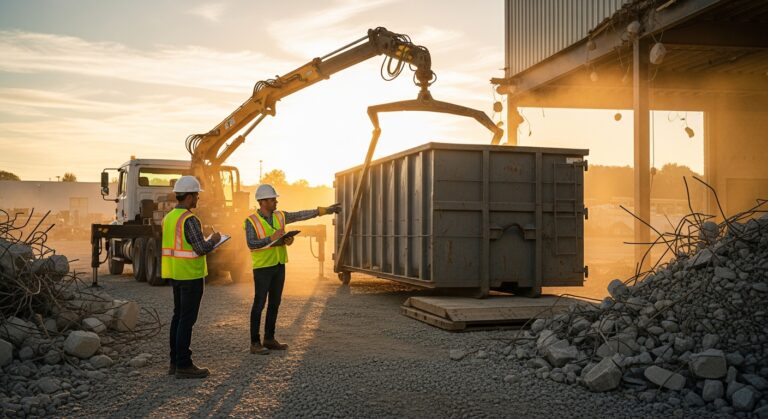
A Tuckerman roll off refers to a comprehensive service model centered around the use of large, open-top waste containers, commonly called roll-off dumpsters. These containers are delivered to a site on a specialized truck with a hydraulic roll-off system. The name itself often derives from equipment manufacturers and service providers who popularized this efficient drop-off and pick-up mechanism. Unlike standard dumpsters that are permanently stationed and mechanically lifted, a roll-off container is designed to be placed directly on the ground at the job site, filled at the project’s pace, and then hauled away when full or when the project phase is complete.
The core advantage lies in its scale and flexibility. These containers come in a range of sizes, typically measured in cubic yards, allowing them to handle the massive debris output from roofing tear-offs, interior gut-outs, demolition of walls, and even small-scale building demolitions. The process eliminates the constant need for multiple trips with smaller trucks, consolidating waste into a single, manageable point. This consolidation is not merely a convenience; it streamlines site operations, reduces the risk of accidents from scattered debris, and provides a predictable framework for waste disposal costs. For project managers, securing a Tuckerman roll off service is a foundational step in the pre-construction checklist, ensuring that the cleanup evolves in tandem with the destructive phases of work.
Strategic Implementation in Project Planning
Integrating a Tuckerman roll off into your project timeline requires more than just scheduling a delivery. Effective implementation is a strategic decision that influences workflow, site logistics, and regulatory compliance. The first consideration is placement. The container needs to be situated on stable, level ground that can support its immense weight when full. Accessibility for the delivery truck and future haul-away truck is paramount; overhead wires, tree limbs, and soft ground can create significant obstacles. Furthermore, local ordinances often have strict rules about placing containers on public streets, which may necessitate obtaining a permit from the city or homeowners’ association.
Choosing the right container size is equally critical. Underestimating leads to the need for an extra haul-away trip, doubling delivery fees and disrupting the project flow. Overestimating wastes money on unused capacity and occupies valuable site real estate. A professional service provider can advise on sizing based on your project type. The strategic timing of delivery and removal also plays a role. For a demolition, having the container on-site day one is essential. For a renovation, it might be scheduled after the initial gutting phase. Proper planning around the Tuckerman roll off service creates a rhythm of debris generation and removal that keeps the project moving smoothly.
A key aspect of this implementation is understanding what materials can and cannot go into the container. This directly impacts cost and compliance. Most standard services cover common construction and demolition (C&D) debris like wood, drywall, metal, and concrete. However, special handling and additional fees apply for prohibited items. To avoid surprise bills and ensure environmentally responsible disposal, project leaders must be aware of these restrictions from the outset.
Commonly prohibited items in a standard Tuckerman roll off include:
- Hazardous Materials: Asbestos, lead-based paint, chemicals, solvents, and industrial adhesives.
- Appliances with Refrigerants: Air conditioners, refrigerators, and freezers must have freon properly evacuated by a certified technician.
- Electronics (E-Waste): Televisions, computers, and batteries require separate recycling streams.
- Tires and Automotive Fluids: These are typically banned due to landfill regulations.
- Large Amounts of Soil or Dirt: Heavy, compactable earth can exceed weight limits and requires specialized disposal.
Financial and Operational Benefits for Contractors and Clients
The decision to utilize a Tuckerman roll off system is fundamentally driven by its tangible financial and operational benefits. For contractors, it represents a predictable, fixed cost for waste management that can be accurately estimated and billed to the client. This predictability is far superior to the variable costs and time sinks associated with making countless trips to the landfill in a pickup truck or relying on insufficient smaller dumpsters. The efficiency gains are substantial: labor can focus on the productive work of demolition or construction rather than waste logistics.
For the client, whether a homeowner or a property management firm, this translates into a cleaner, safer, and more organized job site. A single, designated debris location minimizes the risk of property damage from scattered materials and reduces tripping hazards. It also demonstrates a professional approach to project management, instilling confidence that the contractor is handling all aspects of the job systematically. Furthermore, by ensuring proper disposal through a licensed service, both contractor and client mitigate potential environmental liability. Reputable Tuckerman roll off companies are knowledgeable about local landfill regulations and recycling opportunities for materials like metal, concrete, and clean wood, which can sometimes reduce the overall disposal cost and support sustainability goals.
The weight limits associated with the service, known as tonnage allowances, are a crucial financial component. Contracts will specify a base fee that includes a certain weight limit. Debris that exceeds this limit incurs overage charges per ton. Experienced contractors learn to estimate debris weight based on material types—a cubic yard of torn-out drywall weighs significantly less than a cubic yard of broken concrete. This knowledge allows for smarter container sizing and load management, directly protecting the project’s bottom line. In essence, the Tuckerman roll off is not an expense but a tool for cost containment and operational control.
Choosing a Reliable Roll Off Dumpster Service
Not all waste removal services are created equal. Selecting the right provider for your Tuckerman roll off needs is a decision that warrants careful research. The goal is to find a partner that offers reliability, transparency, and fair pricing, thereby avoiding the headaches of missed pickups, hidden fees, or unprofessional service. Start by seeking recommendations from other industry professionals and checking online reviews focused on punctuality, communication, and clarity of billing.
When evaluating companies, ask detailed questions. Inquire about the specifics of their fee structure: what is included in the delivery, rental period, and haul-away fee? What is the exact tonnage allowance, and what is the cost per ton for overages? Be sure to clarify the rental period duration and the costs associated with keeping the container longer than initially scheduled. A reputable company will provide all this information upfront in a clear, written quote. Additionally, verify their licensing and insurance. They should carry adequate liability insurance to cover any potential damage to your property during the placement or removal of the heavy container. Finally, assess their customer service. A provider that answers questions thoroughly and provides clear guidelines on acceptable materials is one that will be a true asset throughout your project’s lifecycle.
Securing the right Tuckerman roll off service completes the planning cycle for any major demolition or renovation. It transforms waste management from a recurring problem into a solved equation, allowing all energy and resources to focus on the build itself. From the initial clatter of the container being rolled onto your site to the final haul-away of a loaded box, this process provides the structural backbone for a clean, efficient, and cost-effective project. By mastering its logistics and integrating it into your plan, you ensure that the path to a new construction is cleared of its old obstacles, literally and figuratively.