Discovering a property filled with a lifetime’s accumulation of belongings after a loved one passes or during a major move is a daunting task. This overwhelming situation, often called a ‘marion roll off,’ requires a systematic, compassionate, and efficient approach to clear the space and restore order. The process goes far beyond simple junk removal, involving sorting, evaluation, disposal, and often emotional decision-making. Whether you’re a family executor, a property manager, or a homeowner facing a significant life transition, understanding how to navigate a marion roll off effectively can save you time, reduce stress, and potentially recover value from unexpected sources.
Defining the Marion Roll Off Concept
The term ‘marion roll off’ isn’t a branded service but a descriptive phrase used within property management, estate clearing, and construction circles. It refers to the comprehensive process of cleaning out a property, typically after an estate sale, eviction, or a long-tenured resident vacates, leaving behind a substantial volume of contents. The ‘roll off’ component often literally involves a large dumpster container being rolled onto the property to facilitate mass disposal. However, a true marion roll off is a multi-stage operation that balances speed with sensitivity, especially when dealing with personal effects. The goal is to transform a cluttered, unusable space into a clean, market-ready property, whether for sale, rent, or renovation. Success hinges on logistics, labor, and a clear strategy for handling everything from trash to potential treasures.
The Step-by-Step Strategy for a Successful Property Cleanout
A systematic approach prevents the process from becoming chaotic and ensures nothing of value is overlooked. Rushing in with a single goal of hauling everything away can lead to costly mistakes, including the disposal of important documents, sentimental items, or valuable antiques. The following framework provides a roadmap for tackling a marion roll off project efficiently and thoroughly. This process is adaptable, whether you’re managing the project yourself or hiring a professional service.
Phase One: Assessment and Planning
Begin by conducting a thorough walkthrough of the entire property. Do not touch or move anything initially; the objective is to understand the full scope. Take detailed notes and photographs. Identify obvious hazards like structural damage, pest infestations, biohazards, or expired chemicals, as these will require special handling. Estimate the volume of items to be removed, which will dictate the size and number of dumpsters or hauling trips needed. During this phase, you must also establish clear decision-making authority. In estate situations, ensure all heirs are in agreement on the process. Create a timeline that is realistic, accounting for sorting, potential sales, and disposal.
Phase Two: Systematic Sorting and Categorization
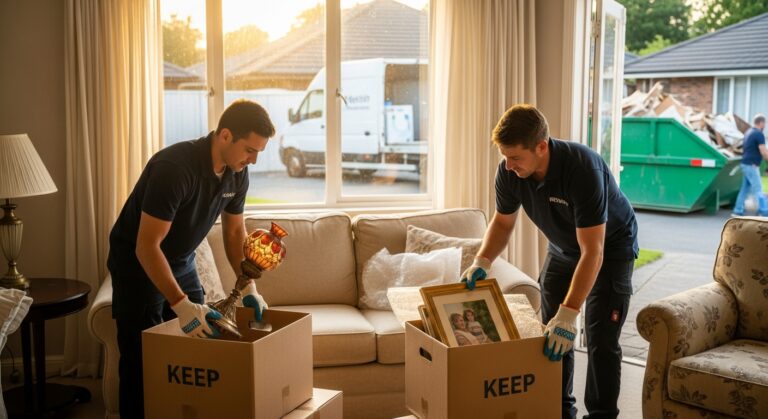
This is the most labor-intensive and critical phase. Arm yourself with supplies: heavy-duty trash bags, boxes, labels, and cleaning materials. Work room-by-room to avoid feeling overwhelmed. Create distinct categories for items as you sort. A logical system includes: trash/recycling, donations, sellable items (for online sale, consignment, or auction), important papers (legal, financial, medical), sentimental/keeper items for the family, and hazardous waste (paint, batteries, electronics). Having a clear ‘keep,’ ‘sell,’ ‘donate,’ and ‘trash’ station in each room streamlines decision-making. Avoid the temptation to keep everything; be pragmatic about what truly holds value, either monetarily or emotionally.
Phase Three: Execution and Disposal
With everything sorted, the removal can begin. Coordinate the logistics of each category. Schedule a dumpster delivery (a true ‘roll-off’ container) for the trash. Research local donation centers and schedule pick-ups or drop-offs for charitable items. For sellable items, you may engage an estate sale company, list items online, or host a garage sale. Securely pack and distribute sentimental items to family members. Finally, hire a licensed service for hazardous waste disposal, as throwing these in a standard dumpster is often illegal and environmentally harmful. A professional marion roll off service will manage all these logistics seamlessly.
Key Benefits of Professional Marion Roll Off Services
While a DIY approach is possible for smaller jobs, a full-scale marion roll off presents significant challenges that professionals are equipped to handle. Hiring a specialized service offers distinct advantages that extend beyond mere labor.
- Efficiency and Scale: Professional crews have the manpower, equipment, and experience to complete a cleanout in a fraction of the time it would take an individual or family. They can safely handle heavy furniture, appliances, and large volumes of debris.
- Proper Disposal and Sustainability: Reputable services are knowledgeable about local disposal regulations and recycling opportunities. They ensure items are disposed of legally and ethically, diverting as much as possible from landfills through donation and recycling channels.
- Hazard Management: They are trained to identify and handle biohazards, chemicals, and other dangerous materials safely, protecting you from liability and health risks.
- Emotional Buffer: In emotionally charged situations like an estate cleanout, a professional team provides a necessary detachment, allowing the family to focus on grieving and memory-keeping rather than the physical labor of disposal.
- Potential Value Recovery: Experienced professionals can often identify items of value that an untrained eye might miss. They can facilitate sales or advise on the best avenue to monetize certain belongings, potentially offsetting the cost of the service.
The investment in a professional service often pays for itself in time saved, stress reduction, and avoided costs related to improper disposal or injury.
Common Scenarios Requiring a Comprehensive Roll Off
The need for a marion roll off style cleanout arises in several specific life and property management events. Each scenario has its own nuances. Estate cleanouts are perhaps the most common, occurring after a death where the home must be cleared for sale or transfer. This process requires utmost sensitivity and attention to personal documents and heirlooms. Landlords and property managers frequently encounter this need after an eviction or when a long-term tenant moves out, leaving behind possessions. In these cases, speed and adherence to local landlord-tenant laws regarding abandoned property are crucial. Major home renovations or disaster restoration projects also necessitate a full-scale clear-out to create a clean, safe work site for contractors. Finally, individuals undertaking significant downsizing or preparing a home for market may require these services to declutter decades of accumulation efficiently.
Planning and Budgeting for Your Cleanout Project
Accurate planning prevents surprise costs and project delays. Start by getting multiple quotes from reputable services. Quotes are typically based on the volume of junk (measured in cubic yards), the manpower hours required, and any special handling needs. Be as detailed as possible during the estimate. Ask what is included: does the price cover dumpster fees, labor, hauling, and disposal? Are there separate fees for donating items or recycling electronics? For a DIY approach, budget for dumpster rental fees (which often have tonnage limits), truck rental, fuel, landfill tipping fees, donation center trips, and your own time. Always set aside a contingency fund of 10-20% for unexpected discoveries, such as hidden mold or a basement full of additional items. Remember that the cost is not just financial; factor in the emotional and time investment required if you choose to manage the process independently.
Navigating a marion roll off is a significant undertaking, but with a clear strategy and an understanding of the options available, it becomes a manageable project. By prioritizing a methodical sort, leveraging professional expertise when needed, and focusing on the goal of a clean, usable space, you can transform a overwhelming situation into a fresh start. The process, while challenging, ultimately paves the way for the next chapter, whether that’s selling a property, welcoming a new tenant, or simply enjoying a revitalized and organized home.