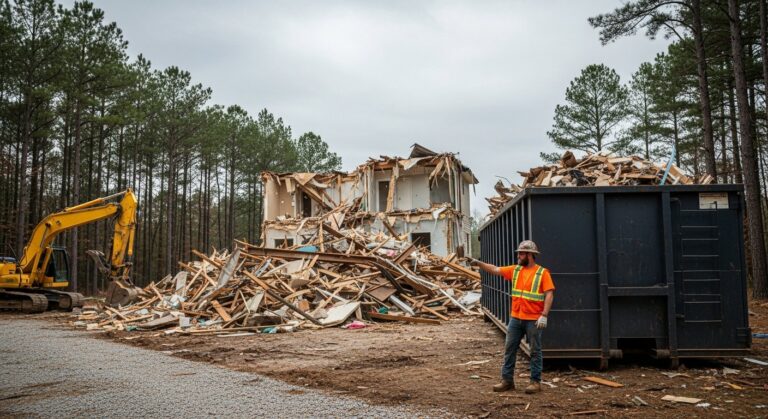
Taking down an entire house is a massive undertaking that requires careful planning, the right permits, and a reliable waste removal strategy. For contractors and homeowners across Arkansas, the difference between a smooth demolition and a costly nightmare often comes down to how you manage debris. This whole house demolition dumpster Arkansas contractor guide covers the essential steps, regulations, and best practices to keep your project on track and your site safe.
Understanding the Scope of Whole House Demolition in Arkansas
Whole house demolition involves more than just knocking down walls. You must account for hazardous materials, structural components, and varying waste streams. In Arkansas, the Arkansas Department of Environmental Quality (ADEQ) sets rules for disposal, especially for asbestos, lead paint, and other regulated substances. Before any dumpster arrives, you need a clear plan for sorting and disposing of each material type.
A typical 2,000-square-foot home generates between 200 and 300 tons of debris. This includes wood, concrete, drywall, roofing, flooring, insulation, and metal. Without a designated dumpster strategy, you risk violating local ordinances and incurring hefty fines. Working with a contractor who understands Arkansas-specific disposal guidelines is not optional; it is a legal necessity.
Choosing the Right Dumpster Size for Demolition Debris
Selecting the correct container size prevents multiple hauls and extra fees. For whole house demolition, most contractors opt for 30-yard or 40-yard roll-off dumpsters. A 30-yard dumpster holds roughly 9 pickup truck loads and works well for smaller homes or partial demolitions. A 40-yard dumpster accommodates the full debris load from a standard single-family residence.
Consider these factors when deciding on dumpster size:
- Home square footage: Larger homes produce more debris. A 40-yard unit is typically needed for homes over 1,500 square feet.
- Material density: Concrete and brick are heavier than wood or drywall. Heavy materials fill volume faster and may require weight-based rental limits.
- Site access: Roll-off trucks need at least 60 feet of clearance and a level surface for drop-off and pickup. Tight urban lots may require a smaller dumpster or split hauls.
- Local weight allowances: Most dumpster rentals include a weight limit. Exceeding it triggers overage charges. Plan for the heaviest debris first.
A common mistake is underestimating volume. When in doubt, size up. The cost difference between a 30-yard and a 40-yard dumpster is far less than the expense of renting a second container mid-project.
Hazardous Materials and Special Disposal Requirements
Arkansas law mandates that certain materials must be removed before demolition begins. Asbestos is the most critical. Any home built before 1980 likely contains asbestos in insulation, floor tiles, siding, or roofing. Licensed abatement professionals must remove and dispose of asbestos separately. It cannot go in a standard construction dumpster.
Other regulated materials include:
- Lead-based paint: Common in homes built before 1978. Scraping or sanding creates toxic dust. Follow EPA Renovation, Repair, and Painting (RRP) rules.
- Propane tanks and pressurized cylinders: These must be emptied or removed by certified handlers. Never place them in a dumpster.
- Electronics and appliances: Refrigerators, air conditioners, and fluorescent lights contain refrigerants or mercury that require separate recycling.
- Tires and batteries: Many landfills prohibit these items. Check with your dumpster provider for accepted materials.
Failure to pre-remove hazardous waste can halt your project and lead to fines. Incorporate abatement timelines into your demolition schedule. In our guide on DIY Demolition Dumpster Rental Arkansas: Your Guide, we explain how to coordinate these steps with your rental timeline.
Permits and Local Regulations for Demolition Projects
Most Arkansas cities and counties require a demolition permit before any structure is taken down. The permit application usually includes a site plan, a description of the demolition method, and proof of utility disconnection. Some municipalities also require a separate permit for the dumpster if it sits on a public street or sidewalk.
Contact your local building department early. Ask about:
- Demolition permit fees and timeline (typically 2 to 4 weeks for approval).
- Setback and safety requirements (fencing, signage, and pedestrian protection).
- Noise and work hour restrictions (especially in residential zones).
- Dumpster placement rules (some areas require a permit for on-street placement).
Working with an experienced Arkansas dumpster rental company simplifies compliance. They often know local regulations and can advise on proper placement and permitted materials. Never assume your rental provider will handle permitting; confirm responsibilities in writing before the container arrives.
Step-by-Step Timeline for a Smooth Demolition
A structured timeline prevents delays and cost overruns. Here is a recommended sequence for contractors using this whole house demolition dumpster Arkansas contractor guide:
- Pre-demolition audit: Inspect the structure for hazardous materials. Arrange abatement for asbestos, lead, and mold.
- Permit application: Submit demolition permit and any required dumpster placement permits. Allow 2-4 weeks for processing.
- Utility disconnection: Coordinate with gas, electric, water, and sewer providers to disconnect services safely.
- Dumpster delivery: Schedule delivery 1-2 days before demolition begins. Position the container for easy access by heavy equipment.
- Demolition execution: Use mechanical or manual methods as planned. Separate recyclable metals and salvageable materials if desired.
- Debris loading: Load the dumpster systematically, placing heavy materials at the bottom and lighter debris on top.
- Final cleanup and dumpster pickup: Once demolition is complete, call for pickup within 24 hours to avoid additional rental days.
Each step has interdependencies. For example, if asbestos abatement runs late, the entire demolition timeline shifts. Build buffer days into your schedule to account for weather, permit delays, or unexpected findings.
Cost Factors and Budgeting for Dumpster Rental
Dumpster rental pricing varies based on size, duration, weight, and location. In Arkansas, a 40-yard roll-off dumpster typically costs between $400 and $800 for a standard 7-day rental. Additional charges apply for overweight loads, extended rental periods, and prohibited items that require special handling.
Key cost considerations include:
- Delivery and pickup fees: Some companies include these in the base price; others add them separately. Always ask for an all-in quote.
- Weight allowance: Standard allowances range from 2 to 6 tons. Demolition debris, especially concrete and brick, exceeds these limits quickly. Know your overage rate before signing.
- Landfill tipping fees: These are often passed through to the customer. Ask if the quoted price includes disposal costs or if they are charged per ton after the fact.
- Permit costs: If the dumpster sits on public property, you may need a city permit costing $25 to $100.
To avoid surprise bills, get a written contract that itemizes all fees. Many contractors recommend using a local Arkansas provider rather than a national chain, as local companies understand regional landfill fees and weight restrictions better.
Safety Protocols for Demolition Sites
Demolition sites are inherently dangerous. Falls, flying debris, and heavy equipment accidents are common. Every contractor should enforce a safety plan that includes:
- Personal protective equipment (PPE): Hard hats, steel-toed boots, gloves, safety glasses, and hearing protection are mandatory for all workers and visitors.
- Site barricades and signage: Keep unauthorized personnel out. Use warning signs and fencing around the demolition zone and the dumpster area.
- Dust control: Wet down debris before and during demolition to minimize airborne particulates. This is especially important near occupied properties.
- Dumpster loading safety: Do not overload the container. Keep materials level with the top edge. Never throw heavy items from heights into an empty dumpster; lower them with equipment.
Safety extends to the dumpster itself. Ensure the container is placed on stable, level ground. Block wheels if there is any slope. A tipped dumpster can cause serious injury and delay your project by days.
Recycling and Salvage Opportunities
Demolition does not have to mean sending everything to a landfill. Many materials can be recycled or donated, reducing disposal costs and environmental impact. Concrete and masonry can be crushed and reused as aggregate for new construction. Metal, including steel beams, copper wiring, and aluminum siding, has scrap value. Wood that is untreated and free of paint can be chipped into mulch or used for biomass fuel.
Salvageable items like cabinets, doors, windows, fixtures, and flooring can be sold or donated to organizations such as Habitat for Humanity ReStore. This approach not only offsets some project costs but also qualifies for potential tax deductions. Discuss your salvage goals with your dumpster provider. Some companies offer separate containers for recyclables or will coordinate with local recycling facilities.
Working With a Demolition Contractor vs. DIY
Deciding whether to hire a demolition contractor or handle the work yourself depends on your experience, equipment access, and risk tolerance. Licensed demolition contractors carry insurance, know local codes, and have specialized equipment like excavators with shears and grapples. They also handle abatement and permit filing. For most whole house demolitions, hiring a professional reduces liability and ensures compliance.
However, some experienced contractors choose to self-perform demolition to save money. If you take this route, you must still secure permits, manage hazardous materials, and arrange for dumpster rental. The cost savings can be significant, but the risk of injury, fines, or delays is higher. A middle ground is to hire a contractor for abatement and heavy equipment work while you manage debris removal and dumpster logistics.
Why Local Knowledge Matters for Arkansas Projects
Arkansas has diverse geography and municipal codes. What works in Little Rock may not be allowed in Fayetteville or Jonesboro. Local dumpster rental companies understand which landfills accept demolition debris, what materials are banned, and how to navigate city-specific permit processes. They also have relationships with local recyclers and disposal sites, which can lead to lower tipping fees.
Additionally, local providers offer faster response times for delivery, pickup, and dumpster swaps. If your project runs behind or you need an extra container, a nearby company can adjust quickly. National chains often have rigid schedules and may not prioritize Arkansas markets. For this reason, the whole house demolition dumpster Arkansas contractor guide strongly recommends partnering with a local rental company that knows the region.
Planning a whole house demolition requires attention to detail from start to finish. By choosing the right dumpster size, understanding hazardous material rules, securing permits, and following a structured timeline, you can complete your project efficiently and within budget. Whether you are a seasoned contractor or a homeowner tackling a major renovation, the key is to work with professionals who understand Arkansas demolition and disposal requirements. With the right preparation and the right dumpster partner, you can turn a massive demolition into a manageable, successful project.