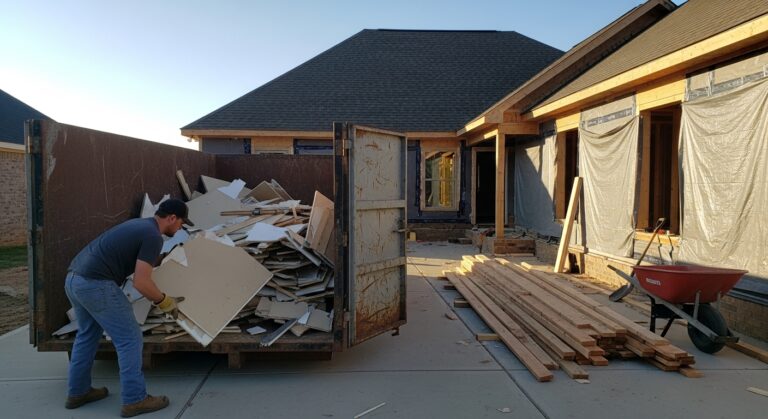
When a major home project or an unexpected event leaves your Vilonia property buried under a mountain of waste, the question of ‘what now?’ looms large. Efficiently managing construction debris, storm damage remnants, or a massive yard cleanup requires more than just a few extra trash bags. This is where the strategic use of a Vilonia debris container becomes not just a convenience, but a critical component of successful project management. Understanding the options, regulations, and best practices for renting a dumpster or roll-off container can transform a chaotic, overwhelming process into a streamlined, cost-effective operation. Whether you’re a homeowner tackling a renovation, a contractor managing a job site, or a property owner recovering from storm damage, navigating the world of debris containers is the first step toward reclaiming your space and your peace of mind.
Understanding Your Debris Container Options in Vilonia
The term ‘debris container’ encompasses several types of waste collection units, each designed for specific volumes and types of materials. The most common solution for larger projects is the roll-off dumpster, a large, open-top container delivered by a specialized truck and placed at your location for a set rental period. These are ideal for construction, demolition, major cleanouts, and roofing projects. For smaller-scale jobs, such as a kitchen remodel or a large yard cleanup, a front-load dumpster—similar to those behind commercial buildings—might be a suitable and potentially more affordable option if you have ongoing waste over a longer period. The key is matching the container type and size to your project’s scope. A container that’s too small will require multiple hauls, increasing costs and prolonging the project. One that’s too large wastes money on unused capacity and consumes more of your valuable driveway or yard space.
Selecting the right size is paramount. Container sizes are typically measured in cubic yards, which refers to the volume of debris they can hold. Common sizes range from 10-yard containers for small bathroom remodels or garage cleanouts to massive 40-yard containers for new construction or whole-house demolition. For a typical roof replacement or a large room addition, a 20 or 30-yard container is often the sweet spot. It’s crucial to discuss the nature of your debris with the rental company. Heavy materials like concrete, dirt, or roofing shingles will reach a container’s weight limit long before it’s visually full, affecting cost and logistics. A reputable Vilonia debris container provider will ask detailed questions about your project to recommend the most efficient size and service schedule.
Navigating Vilonia Regulations and Placement Logistics
Before a debris container arrives at your Vilonia property, you must consider local regulations and practical placement. Vilonia, like many municipalities, may have ordinances governing where roll-off containers can be placed, especially on public streets or rights-of-way. Typically, if the container can be placed fully on your private property—such as a driveway, yard, or approved section of a parking lot—the process is simpler, often requiring no permit. However, if your project necessitates placing the container on a public street or sidewalk, you will almost certainly need a permit from the Vilonia city offices or relevant county authority. The rental company can often guide you through this process or even obtain the permit on your behalf for a fee, but the responsibility and any associated fines for non-compliance ultimately fall on you, the renter.
Once placement is decided, preparation is key. Choose a firm, level surface like concrete or compacted gravel. Avoid soft ground, which can cause the container to sink or tilt, making loading difficult and pick-up problematic. Ensure there is adequate vertical clearance—free from low-hanging tree limbs, power lines, or roof eaves—for the delivery truck’s arm to drop off and pick up the container safely. Clear the path and the placement area of vehicles, outdoor furniture, and other obstacles. Thoughtful preparation prevents delays, additional fees, and potential damage to your property. Communicate clearly with your delivery driver about the exact spot, and be present during delivery if possible to avoid any misunderstandings.
Maximizing Value and Avoiding Hidden Costs
Renting a Vilonia debris container involves more than just a base weekly rate. Understanding the full fee structure is essential to avoid surprise bills and maximize your investment. The standard rental quote typically includes delivery, pick-up, a set rental period (often 7-10 days), and disposal fees for a predetermined weight limit. It is the weight limit and the rental period that most commonly lead to overage charges. Exceeding the included weight allowance will incur a per-ton fee, which is why properly estimating your load’s heaviness is critical. Similarly, keeping the container beyond the included rental days will trigger daily or weekly extended rental fees.
To control costs and ensure a smooth process, follow a few key strategies. First, load the container efficiently: break down large items, flatten boxes, and distribute weight evenly. Do not overfill the container above its rim; haulers are legally required to cover loads during transport, and an overfilled container cannot be safely tarped. Second, know what is prohibited. Most standard debris container rentals do not allow hazardous materials like paints, chemicals, batteries, tires, or appliances with refrigerants. Disposing of these items improperly can result in significant penalties. Finally, get everything in writing. A clear contract should outline the rental period, included weight, overage rates, prohibited items, and your responsibilities. Following these steps turns your Vilonia debris container from a simple bin into a powerful project management tool.
Prohibited Items in Standard Debris Containers
While a debris container is designed for bulky, non-hazardous waste, certain materials are almost universally banned due to environmental regulations and safety concerns. Disposing of these items improperly can lead to rejection of the entire load, extra fees, or legal issues. Always confirm with your specific provider, but generally, you cannot place the following in a standard roll-off:
- Hazardous Household Waste: Paint, stains, solvents, pesticides, herbicides, and cleaning chemicals.
- Electronics and Appliances: Televisions, computers, and refrigerators/freezers/AC units containing refrigerants (Freon).
- Tires and Automotive Fluids: Motor oil, transmission fluid, and batteries.
- Medical Waste or Asbestos: Any contaminated materials or known asbestos-containing building materials require special handling.
For these items, Vilonia residents should look to designated county hazardous waste collection events or specialized recycling facilities. Proper segregation not only keeps you compliant but also supports community sustainability efforts.
Strategic Use for Contractors and Property Managers
For construction professionals and property managers in the Vilonia area, debris containers are a fundamental tool of the trade. Consistent, reliable waste management keeps job sites safe, organized, and efficient, directly impacting productivity and profitability. Contractors should establish relationships with local container services that offer flexible scheduling, competitive commercial rates, and consistent service. A key strategy is to plan container swaps as part of the project timeline—scheduling a pickup when the container is full and a fresh delivery for the next phase of work minimizes downtime and keeps the site accessible. For larger or longer-duration projects, such as multi-unit renovations or new developments, having a dedicated debris management plan that includes strategically placed containers is a mark of professional project planning.
Property managers, particularly those overseeing rental portfolios or commercial properties, often deal with turnover cleanouts, emergency storm damage, or tenant improvement projects. Having a go-to provider for a Vilonia debris container ensures a rapid response when needed. It also provides a controlled, centralized location for waste, preventing illegal dumping or scattered piles that can attract pests and create liability issues. By budgeting for and incorporating debris container services into standard operating procedures, managers can maintain property value, ensure compliance with local codes, and handle unexpected cleanup needs with confidence and speed.
From the initial shock of a cluttered property to the final satisfaction of a clean slate, managing waste is an inescapable part of property ownership and improvement. A Vilonia debris container, when selected and used wisely, is far more than a metal box for trash. It is a logistical solution that safeguards your budget, protects your property, and propels your project forward. By taking the time to understand your options, prepare your site, and load responsibly, you turn a necessary task into a strategic advantage. The clear space left behind is not just physical; it’s the open ground for whatever comes next.