Arkansas businesses that generate waste must navigate a complex web of state regulations. Among the most critical yet often misunderstood rules is the Arkansas auxiliary container law. This statute directly impacts how businesses handle waste disposal, particularly when using dumpsters and roll-off containers. Failing to comply can lead to fines, legal trouble, and environmental harm. This guide explains what the law requires, how it affects your business waste operations, and what steps you can take to stay compliant while controlling costs.
What Is the Arkansas Auxiliary Container Law?
The Arkansas auxiliary container law, codified in Arkansas Code Title 8, regulates the use of containers for waste storage, transportation, and disposal. An auxiliary container is any receptacle used to hold waste temporarily before final disposal. This includes dumpsters, roll-off boxes, compactors, and even smaller bins used on commercial properties. The law sets standards for container labeling, weight limits, waste types allowed, and disposal procedures. The purpose is to prevent illegal dumping, reduce environmental contamination, and ensure that waste is handled safely from generation to final disposal.
For business owners, this means that simply renting a dumpster is not enough. You must ensure that the container meets state specifications, that the waste inside is properly categorized, and that the disposal facility is authorized to accept it. The Arkansas Department of Environmental Quality (ADEQ) enforces these rules. Violations can result in penalties ranging from warning letters to substantial fines, especially if hazardous materials are involved.
How the Law Affects Business Waste Management
Business waste in Arkansas is classified into several categories: municipal solid waste, construction and demolition debris, industrial waste, and hazardous waste. The auxiliary container law applies to all these types, but the requirements vary. For example, containers used for construction debris must be labeled clearly with the waste type and the generator’s information. Containers for industrial waste may need special liners or covers to prevent leaks.
One common mistake businesses make is assuming that a dumpster rental company handles all compliance. While reputable providers ensure their containers meet structural standards, the responsibility for proper waste classification and disposal ultimately falls on the business that generates the waste. If you place prohibited items like electronics, tires, or chemicals into a dumpster, you could be held liable even if the rental company picks it up.
In our guide on Arkansas Small Business Waste Management Solutions, we explain how to partner with compliant haulers and avoid common pitfalls. The key is to understand your obligations under the auxiliary container law before the dumpster arrives on your site.
Key Requirements of the Law
The Arkansas auxiliary container law includes several specific mandates that businesses must follow. Here are the most important ones to know:
- Container Labeling: Every auxiliary container must display a visible label showing the waste type, generator name, and contact information. Labels must be weather-resistant and legible.
- Weight Limits: Containers cannot be filled beyond their rated capacity. Overloaded dumpsters pose safety risks and violate transportation regulations.
- Prohibited Materials: Certain items cannot be placed in standard auxiliary containers, including hazardous waste, asbestos, medical waste, and universal waste like batteries and fluorescent bulbs.
- Covering Requirements: Containers holding loose debris must be covered during transport to prevent littering. Some stationary containers may require lids or netting if located near public areas.
- Recordkeeping: Businesses must maintain records of waste disposal for at least three years. This includes manifests, receipts from disposal facilities, and container inspection logs.
These requirements are not optional. ADEQ conducts routine inspections of commercial properties and waste facilities. Non-compliance can lead to fines of up to $10,000 per violation per day. For small businesses, that kind of penalty can be devastating. It is far better to invest in proper training and container management upfront.
Common Compliance Challenges for Arkansas Businesses
Many businesses struggle with compliance because the law is detailed and enforcement can be strict. One frequent issue is improper waste segregation. For example, a retail store may throw away old inventory that includes cleaning products, which are considered hazardous waste. If those items end up in a standard dumpster, the business faces a violation.
Another challenge is container placement. The law requires that containers be placed on impervious surfaces if they hold liquids or food waste. This means no placing a dumpster directly on gravel or bare ground. Businesses must use concrete pads or asphalt. Failure to do so can result in soil contamination and cleanup orders.
Recordkeeping is another area where businesses fall short. In the rush of daily operations, it is easy to forget to save disposal receipts or container inspection forms. But if ADEQ audits your business and you cannot produce records, you may be presumed non-compliant. Establishing a simple filing system or using digital recordkeeping can prevent this headache.
Steps to Ensure Compliance With the Auxiliary Container Law
Staying compliant does not have to be overwhelming. Follow these steps to align your business waste practices with Arkansas law:
- Audit Your Waste Stream: Identify every type of waste your business generates. Categorize it as municipal, construction, industrial, or hazardous. This will tell you which containers and disposal methods are allowed.
- Choose the Right Container: Work with a dumpster rental provider that offers containers meeting state specifications. Ensure the container is sized appropriately for your waste volume to avoid overfilling.
- Train Your Staff: Educate employees on what can and cannot go into each container. Post clear signage near dumpsters. Conduct periodic refresher training.
- Implement Labeling Procedures: Place required labels on every container. Include the waste type, your business name, and an emergency contact number. Check labels monthly for wear.
- Schedule Regular Pickups: Do not let containers overflow. Arrange for pickup before the container reaches 90% capacity. Overfilled containers are a common citation.
- Maintain Records: Keep all waste disposal documents organized. Use a binder or cloud storage. Set reminders to review records quarterly.
By following these steps, you reduce the risk of violations and create a safer work environment. Many businesses find that compliance also lowers costs because it reduces waste contamination and disposal fees.
Environmental and Financial Benefits of Compliance
Complying with the Arkansas auxiliary container law is not just about avoiding fines. It also brings tangible benefits to your business. Proper waste segregation means recyclable materials stay out of landfills, which can lower your disposal costs. Many haulers offer reduced rates for separated recyclables. Additionally, compliant businesses often qualify for lower insurance premiums because they pose less environmental risk.
From an environmental standpoint, the law helps protect Arkansas’s natural resources. The state has beautiful waterways, forests, and farmland. Improper waste disposal can contaminate groundwater, harm wildlife, and degrade public lands. By following the law, your business contributes to keeping Arkansas clean and sustainable. Customers and clients increasingly prefer to work with environmentally responsible companies. Compliance can be a marketing advantage.
Finally, compliant businesses face fewer disruptions. ADEQ inspections are less likely to result in shutdowns or delays. You can focus on your core operations instead of dealing with regulatory headaches. In the long run, investing in compliance is an investment in your business’s stability and reputation.
Working With a Dumpster Rental Partner
Choosing the right dumpster rental company is a critical part of compliance. Not all providers are equal. Look for a company that understands Arkansas’s specific regulations and can guide you through the requirements. Ask potential partners how they handle container labeling, weight limits, and prohibited materials. A good provider will offer training materials and support.
Also, confirm that the company disposes of waste at permitted facilities. Some haulers may cut corners by taking waste to unlicensed sites. If that happens, you as the generator could still be held responsible. Insist on documentation showing where each load is taken. Reputable providers are transparent about their disposal chain.
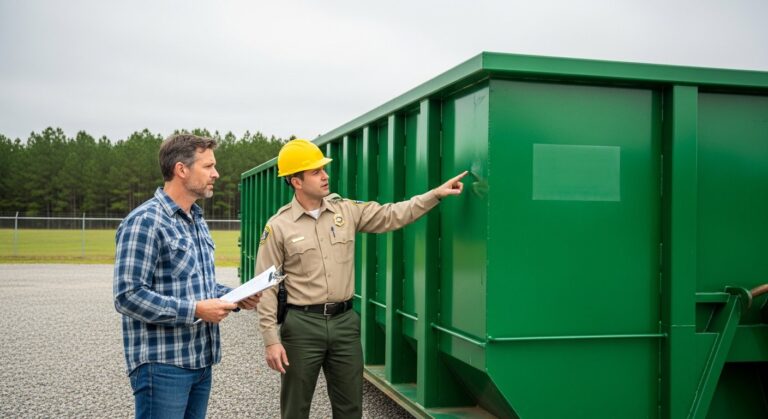
Finally, consider the container’s condition. The law requires containers to be in good repair with no leaks, rust holes, or damaged lids. Inspect containers upon delivery. If you receive a damaged container, request a replacement immediately. Using substandard equipment can lead to citations and safety hazards.
Arkansas’s auxiliary container law is designed to protect public health and the environment. By understanding its requirements and implementing best practices, your business can avoid penalties, reduce costs, and operate more responsibly. Whether you run a construction site, a retail store, or a manufacturing facility, compliance starts with knowing the rules and choosing the right partners.
Take the time to review your current waste management practices against the law. Make adjustments where needed. Train your team. Keep records. These actions will pay off in smoother operations and peace of mind. Arkansas businesses that prioritize compliance find that it is not a burden but a foundation for sustainable growth.