Managing waste on an Arkansas construction site is about more than just keeping the area tidy. It directly impacts project costs, environmental compliance, and even the safety of your crew. Without a clear plan for sorting materials, you risk contaminating recyclable loads, incurring higher disposal fees, and facing penalties from local authorities. This is where effective construction site waste segregation tips for Arkansas projects become essential. By separating materials at the source, you can streamline recycling efforts and ensure that each waste stream goes to the correct facility.
The challenge many contractors face is knowing where to start. Arkansas has specific regulations regarding construction and demolition debris, and what works in Little Rock might differ slightly from practices in Fayetteville or Jonesboro. The key is to tailor your approach to the scale of your project and the materials you are using. Whether you are demolishing an old structure or building a new home, understanding how to segregate waste properly can save you time and money while keeping your site compliant with state and local ordinances.
Understanding Arkansas Waste Regulations
Arkansas has established guidelines for handling construction and demolition (C&D) waste, which includes materials like concrete, wood, metals, and drywall. The Arkansas Department of Energy and Environment, Division of Environmental Quality, oversees these regulations. Their primary goal is to reduce the volume of waste going to landfills and to encourage recycling and reuse of materials. For contractors, this means you need to know which materials are banned from standard disposal and how to handle hazardous items like paints, solvents, and treated lumber.
Failure to comply with these regulations can result in fines and project delays. However, many contractors find that following the rules actually benefits their bottom line. For example, recycling metals or clean wood can generate revenue or at least reduce tipping fees. By integrating waste segregation into your project plan from day one, you avoid the scramble of sorting through a mixed pile at the end of the job. This proactive approach is one of the most practical construction site waste segregation tips for Arkansas projects, as it aligns with both legal requirements and economic incentives.
Benefits of On-Site Waste Sorting
Segregating waste on-site offers several tangible advantages that go beyond mere compliance. First and foremost, it significantly lowers disposal costs. When you mix different types of waste, you often pay a higher rate for mixed C&D disposal compared to sorted loads. Clean loads of concrete, asphalt, or scrap metal can be taken to recycling centers at a fraction of the cost, and in some cases, you may even receive a rebate for valuable materials.
Another benefit is improved site safety. Piles of mixed debris can create tripping hazards and make it difficult for workers to move around. When you have designated bins for wood, metal, and general trash, the site remains organized and easier to navigate. Additionally, segregating waste reduces the environmental impact of your project. Arkansas is home to many natural landscapes, and responsible waste management helps preserve these areas. By recycling materials, you conserve natural resources and reduce the carbon footprint of your construction activities.
Essential Segregation Strategies
To implement an effective waste segregation plan, you need to consider the types of materials your project will generate and the space available on-site. The following strategies are proven to work well for projects of all sizes in Arkansas.
Use Dedicated Containers for Each Material
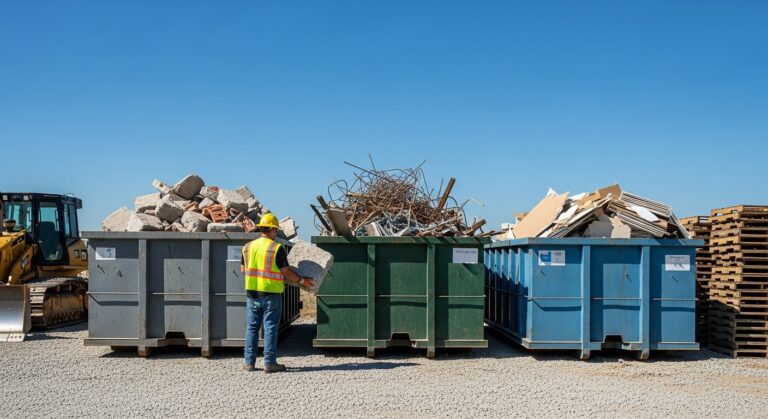
The simplest way to ensure proper segregation is to provide separate containers for each major waste stream. For most construction sites, this means having at least three bins: one for wood and lumber, one for metals, and one for mixed non-recyclable waste. If your project involves concrete or masonry, add a fourth bin for those materials. Label each container clearly with signs and color coding to prevent confusion. This setup allows workers to instinctively place materials in the correct bin, reducing the need for costly post-sort labor.
Train Your Crew on Segregation Protocols
Even the best bin system fails if workers do not know how to use it. Hold a brief training session at the start of the project to explain which materials go where. Emphasize the importance of keeping hazardous items like paint cans and solvents separate from regular debris. Provide a simple reference card or poster that lists common materials and their designated bins. Regular reminders during morning meetings can reinforce these habits. A well-trained team is your strongest asset in maintaining efficient waste segregation.
Plan for Hazardous Waste Separation
Arkansas regulations treat hazardous construction waste differently from standard C&D debris. Items such as oil-based paints, adhesives, sealants, and treated wood must be handled with care. Set up a clearly marked area for hazardous waste collection, and use sealed containers to prevent leaks. Coordinate with a licensed hazardous waste disposal company to pick up these materials periodically. Never mix hazardous items with general construction waste, as this can lead to serious environmental violations and cleanup costs.
Choosing the Right Disposal Partners
Selecting the right disposal and recycling partners is critical for the success of your segregation efforts. Not all waste facilities in Arkansas accept the same materials, so research local options before your project begins. Look for facilities that specialize in C&D recycling and can provide clear guidelines on their accepted materials. Some facilities even offer discounted rates for pre-sorted loads, which can further reduce your costs.
For general waste and larger debris, a reliable dumpster rental service can simplify the process. In our guide on dumpster size visual guide for Arkansas projects, we explain how to match container capacity to your specific waste streams. Choosing the right size dumpster for each material type prevents overfilling and ensures that you are not paying for unused space. When you work with a provider that understands local regulations, you gain peace of mind knowing that your waste will be handled correctly.
Common Mistakes to Avoid
Even experienced contractors can fall into traps that undermine their segregation efforts. One frequent mistake is underestimating the volume of a particular material. For example, a demolition project might generate far more concrete than anticipated, leading to overflowing bins and the temptation to mix materials. To avoid this, conduct a thorough waste audit before the project starts. Estimate the quantities of each material you expect to produce and arrange for extra containers if needed.
Another common error is neglecting to secure the waste area. Open bins can attract unauthorized dumping from other contractors or even the public. This not only increases your disposal volume but also introduces contaminants that ruin your sorted loads. Place bins in a controlled area or use locked lids to prevent this issue. Additionally, avoid the temptation to skip segregation for small projects. Even a minor renovation can generate significant waste, and proper sorting from the beginning sets a standard for your entire operation.
Integrating Technology and Tracking
Modern tools can enhance your waste segregation efforts. Consider using a waste management software application to track the volume and type of waste generated on each project. This data helps you identify patterns, forecast future needs, and demonstrate compliance during inspections. Some apps even connect with local recycling facilities to provide real-time pricing and acceptance criteria.
You can also use QR codes on bins to link to instructional videos or checklists. Workers can scan the code with their smartphones to quickly confirm where a specific material belongs. These small technological investments pay off by reducing errors and increasing the efficiency of your segregation process. In Arkansas, where construction activity continues to grow, staying ahead with tech-savvy waste management gives you a competitive edge.
Economic and Environmental Impact
Effective waste segregation has a direct impact on your project’s profitability. By diverting materials from landfills, you reduce tipping fees and often generate revenue from recyclable metals or wood. Over the course of a large project, these savings can amount to thousands of dollars. Additionally, some clients and developers in Arkansas now require proof of sustainable waste management practices as part of their contracts. Demonstrating your ability to segregate waste responsibly can help you win bids and build a reputation as an environmentally conscious contractor.
From an environmental perspective, segregation reduces the demand for virgin materials. Recycling one ton of concrete saves about 1,400 gallons of water and prevents 900 pounds of carbon dioxide emissions. Wood recycling keeps valuable timber out of landfills and reduces methane production. When you consider the cumulative effect of multiple projects across the state, the environmental benefits become significant. By adopting these construction site waste segregation tips for Arkansas projects, you contribute to a more sustainable construction industry.
Case Study: Segregation in Action
Consider a mid-sized commercial project in Northwest Arkansas that involved both new construction and demolition. The contractor implemented a three-bin system with separate containers for wood, metal, and mixed waste. They also set up a small area for hazardous materials near the site office. Crew members received a 15-minute training session on the first day, and a laminated guide was posted near each bin.
Midway through the project, the contractor noticed that the wood bin was filling faster than expected. They quickly ordered an additional container to prevent overflow and contamination. By the end of the project, they had recycled 70 percent of the total waste by weight. The metal recycling alone generated a rebate of 0 per ton, offsetting a portion of the dumpster rental costs. The project finished on time and under budget, with no compliance issues. This real-world example shows how proactive segregation leads to measurable results.
Final Thoughts on Waste Management
Construction site waste segregation is not a one-size-fits-all process. It requires planning, communication, and a willingness to adapt based on the specific materials and conditions of your project. By following the strategies outlined above, you can turn waste management from a burden into a competitive advantage. Arkansas contractors who prioritize segregation find that it pays off in lower costs, safer sites, and stronger relationships with clients and regulators.
Start by evaluating your current practices and identifying areas for improvement. Even small changes, like adding a separate bin for cardboard or training your crew on proper sorting, can make a difference. As you refine your approach, you will discover that efficient waste segregation becomes a natural part of your workflow. Embrace these construction site waste segregation tips for Arkansas projects, and you will build a cleaner, more profitable future for your business.