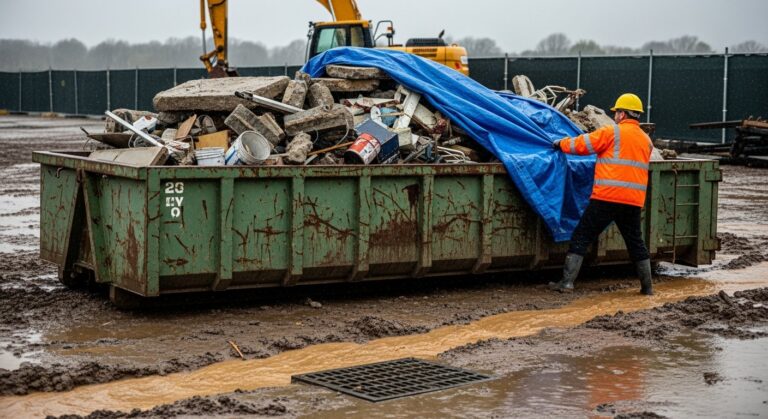
On any construction site, stormwater runoff is a quiet threat. It picks up sediment, chemicals, and waste, then carries them into local rivers and streams. Most contractors focus on erosion control and sediment basins, but they often overlook one major source of pollution: the dumpster. A construction dumpster can become a pollution hotspot if it is not managed correctly. Stormwater that touches exposed waste can dissolve pollutants, carry them off site, and create serious compliance issues. That is why Stormwater Pollution Prevention for Construction Dumpster Use is not just a good practice, it is a necessity for any project that cares about the environment and its bottom line.
Construction dumpsters collect everything from concrete debris and wood scraps to paint cans, chemical containers, and soiled materials. When rain falls on this mix, the water becomes contaminated. If that contaminated water flows into a storm drain, it bypasses treatment and enters nearby waterways. This can harm aquatic life, contaminate drinking water sources, and trigger heavy fines from environmental agencies. Understanding how to handle dumpsters correctly is a core part of any stormwater pollution prevention plan.
Why Construction Dumpsters Matter for Stormwater Quality
Stormwater pollution prevention often centers on soil erosion and sediment control. However, dumpsters present a unique challenge because they consolidate many different waste streams into one container. This concentration of material increases the potential for toxic runoff. A single leaking paint can or an uncapped container of cleaning solvent can turn a simple rain event into a pollution violation.
Construction dumpsters are also frequently left uncovered, especially on active sites where they are loaded throughout the day. When dumpsters are open, wind and water can spread lightweight debris, such as plastic wrappers, foam pieces, and paper labels, across the site and beyond. This litter not only looks bad, it also becomes a physical pollutant that can clog storm drains and choke wildlife. The Environmental Protection Agency and state agencies like the Arkansas Department of Energy and Environment have strict regulations for construction site stormwater discharge. Dumpsters are often inspected because they are easy to assess and commonly violated.
Beyond regulatory pressure, contractors have a responsibility to protect the communities where they work. Construction sites are temporary, but the damage from stormwater pollution can last for years. By addressing dumpster management, contractors can reduce their environmental footprint and build trust with local residents, inspectors, and clients.
Key Stormwater Risks Linked to Dumpster Use
To prevent stormwater pollution, you first need to understand the specific risks that dumpsters introduce to a construction site. These risks are often underestimated because dumpsters appear to be simple storage containers. In reality, they interact with weather, site grading, and worker behavior in complex ways. Here are the primary risks to monitor.
- Leachate and liquid waste: Liquids from paint, solvents, batteries, or even decaying organic matter can seep out of dumpsters or leak onto the ground.
- Open or missing lids: Without a lid or cover, rain enters the dumpster directly and flushes pollutants out through any openings.
- Improper placement: Dumpsters placed in low spots or near storm drains can channel runoff toward sensitive areas.
- Overfilling: Overloaded dumpsters let debris stick out above the rim, where it is easily carried away by wind or rain.
- Damage and rust: Holes, cracks, or corroded bottoms allow liquids to escape directly onto bare soil.
Each of these risks can be managed with careful planning and routine checks. For example, a dumpster with a secure lid and a solid base will catch the vast majority of stormwater impacts. But a dumpster that is placed incorrectly or allowed to overfill will undermine even the best stormwater plan. The key is to treat dumpsters as active components of your pollution prevention system, not as passive trash bins.
Best Practices for Stormwater Pollution Prevention
Implementing effective Stormwater Pollution Prevention for Construction Dumpster Use does not require expensive technology. It requires a consistent set of procedures that are followed by every worker, subcontractor, and delivery driver. By integrating these practices into your daily site routine, you can prevent pollution before it starts and avoid costly cleanup efforts.
Start by choosing a dumpster that is in good condition and appropriate for your waste stream. If you are disposing of wet materials or liquids, opt for a sealed roll-off container with a tight-fitting lid. Use a liquid-tight dumpster for hazardous waste or put waste in sealed bags before placing it in the dumpster. This reduces the chance of leachate escaping.
Next, follow a numbered set of best practices that cover the entire dumpster lifecycle, from placement to removal. These steps should be part of your site-specific stormwater pollution prevention plan and communicated to all workers during orientation.
- Position dumpsters on impervious surfaces: Use concrete pads, asphalt, or a heavy-duty plastic liner to prevent contact with soil and standing water.
- Cover dumpsters when not in use: Equip each dumpster with a tarp, fitted lid, or roll-off cover to keep rain out and debris contained.
- Maintain a buffer zone: Place dumpsters at least 10 feet away from storm drains, ditches, and waterways to reduce runoff exposure.
- Inspect dumpsters weekly: Look for holes, rust, missing lids, and signs of leakage. Document all inspections and repairs.
- Clean spills immediately: If a spill or leak occurs, contain it with absorbent materials and dispose of the clean-up waste properly, not in the dumpster unless approved.
These practices work best when they are combined with routine housekeeping. Keep the area around the dumpster swept and free of loose debris. Do not allow dumpsters to overflow; schedule regular pickups and swap-outs before they reach capacity. Assign a designated person to manage dumpster maintenance and to stop work if a serious leak is found.
It is also wise to document every dumpster-related action. Take photos of the dumpster condition, covers, and placement as part of your weekly site inspection. This documentation can prove compliance during an inspection and help you correct issues before regulators notice them.
Selecting the Right Dumpster for Stormwater Compliance
Not all dumpsters are created equal when it comes to stormwater protection. Construction dumpsters vary in size, build quality, and features, and some are better suited for wet environments than others. When renting a dumpster for a construction project in Arkansas, ask your provider about equipment that is designed to minimize stormwater risk.
One critical feature is a watertight or liquid-resistant bottom. Standard open-top dumpsters are often raised on rails, which allows runoff to flow underneath. A sealed bottom prevents that runoff from picking up contaminants. Another feature is a locking lid or a tarp system that can be secured in high winds. Look for dumpsters with reinforced rims and seamless welding, which reduce the chance of cracks and leaks.
Your waste type also determines the right dumpster. For general construction debris, a 20-yard or 30-yard roll-off dumpster with a cover is usually sufficient. For liquid-heavy waste, such as soil from a spill or paint cleanup, choose a vacuum-container or a dumpster that is specially certified for liquid waste. Always check the weight rating and ensure the dumpster is compatible with your site’s accessibility.
In addition, consider the dumpster provider’s maintenance schedule. A reputable company will clean and inspect its dumpsters between rentals, which reduces the risk of pre-existing damage. Ask if the dumpster is pressure-washed or sanitized before delivery. If you see rust or holes during the drop-off, refuse the dumpster and request a replacement.
Arkansas Regulations and Dumpster Management
Arkansas construction sites that disturb one acre or more must obtain a Construction General Permit and prepare a Stormwater Pollution Prevention Plan. This plan must identify potential pollution sources, including dumpsters, and describe best management practices that will be used to reduce pollutants. Even smaller sites are subject to local city or county ordinances that can require similar measures.
When you rent a dumpster, you are not just renting a container. You are also taking on responsibility for its environmental performance. In our guide on Stormwater Pollution Prevention for Arkansas Construction Sites, we explain how to align your site plan with state and federal requirements. That guide covers the bigger picture of stormwater management, from sediment controls to monitoring schedules. Integrating dumpster best practices into that plan will help you pass inspections and avoid violations.
Arkansas is also known for its abundant waterways, including the Mississippi River, the Arkansas River, and countless lakes and streams. Protecting these resources is a community priority. Construction dumpsters that are managed correctly contribute to that protection by preventing harmful pollutants from becoming part of the local water supply.
Partner With a Dumpster Rental Provider That Supports Compliance
Your dumpster rental provider should be an ally in stormwater pollution prevention. Look for a company that understands construction site regulations and offers equipment that simplifies compliance. A good provider will help you select the right dumpster size, deliver it to a safe location, and pick it up before it becomes a hazard.
Ask potential renters about their experience with stormwater compliance. Do they offer dumpsters with secure lids? Do they recommend tarps for open-top containers? Do they have a spill response kit available at the site? These are signs that the company takes environmental concerns seriously.
In Arkansas, local dumpster rental companies are often more responsive than national chains. They know the terrain, the permitting process, and the common pitfalls of construction sites in the area. They can also adjust schedules quickly if a storm is forecasted, allowing you to secure dumpsters before heavy rain hits.
Finally, build a strong relationship with your provider over time. Share your stormwater pollution prevention plan with them and ask for their feedback. They may have seen problems on other sites that you can avoid. A collaborative approach helps everyone: your site stays compliant, the environment stays cleaner, and the provider earns a loyal customer.
Stormwater Pollution Prevention for Construction Dumpster Use is not a one-time checklist. It is a continuous commitment to careful planning, daily vigilance, and common sense. By following the practices outlined above, you can reduce pollution risk, keep your project on schedule, and demonstrate to regulators and the public that your construction site is part of the solution, not the problem.