
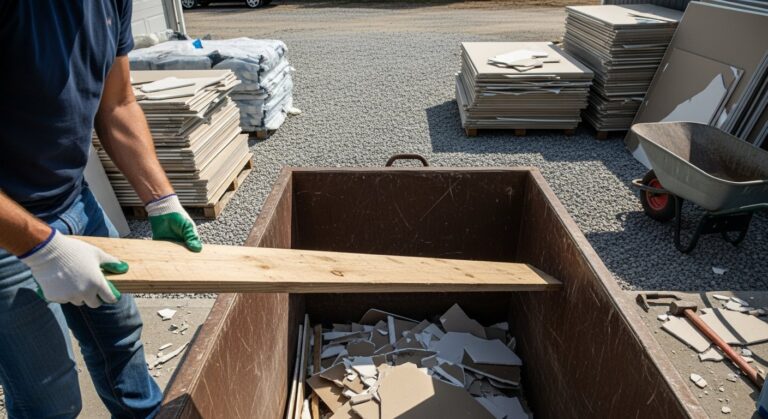
When you rent a dumpster for a cleanup or renovation project in Arkansas, every cubic yard of space matters. Many people fill their dumpster haphazardly and end up paying for an extra haul or struggling to fit all their debris. The key to saving money and avoiding frustration lies in how you load the container. By applying a few strategic techniques, you can significantly increase the amount of waste you can dispose of in a single dumpster. These dumpster loading tips maximize space Arkansas homeowners and contractors use to get the most out of every rental.
Loading a dumpster is not just about tossing items in and hoping they fit. It requires a methodical approach that considers weight distribution, item breakdown, and the order in which you place materials. Whether you are clearing out a garage, remodeling a kitchen, or managing a construction site in Little Rock or Fayetteville, these strategies will help you avoid wasted space and unnecessary costs. Let us walk through the specific steps that turn an ordinary dumpster load into a model of efficiency.
Why Proper Dumpster Loading Matters for Arkansas Residents
Arkansas generates a substantial amount of construction and demolition debris each year, much of which ends up in rented dumpsters. If you are paying for a 20-yard or 30-yard container, you want to use every inch of that volume. Improper loading can leave large air pockets that reduce your usable capacity by 20 percent or more. Over time, that wasted space translates directly into extra rental fees and more trips to the landfill.
Additionally, many Arkansas counties have weight limits on dumpster loads. If you load heavy materials like concrete or dirt in a way that concentrates weight on one side, you may exceed axle weight restrictions or cause safety issues during transport. A well-balanced load keeps the truck stable and prevents damage to your driveway or the container itself. By following these dumpster loading tips maximize space Arkansas residents can also improve safety and reduce environmental impact by making each haul count.
Step-by-Step Guide to Loading a Dumpster Efficiently
To get the most out of your dumpster rental, you need a system. The following steps will help you load like a professional waste management crew. Start with a plan and stick to it as you fill the container.
1. Break Down Large Items Before Loading
The single biggest mistake people make is throwing bulky items into the dumpster whole. A couch, a mattress, or a wooden pallet takes up enormous space if left intact. Before you even approach the dumpster, disassemble everything you can. Remove legs from tables, take apart bed frames, and cut large pieces of lumber into smaller sections. For furniture, separate cushions from frames and break frames into manageable pieces. This simple step alone can double the usable space in your dumpster.
For example, a standard 20-yard dumpster can hold about 110-130 standard trash bags if loaded flat. If you toss a whole sofa in, it consumes the space of 15 to 20 bags. By breaking it down, you reclaim that volume for other debris. This is one of the most effective dumpster loading tips maximize space Arkansas homeowners can implement immediately.
2. Load Heavy Items First at the Bottom
Place dense materials like concrete blocks, bricks, dirt, or heavy metal at the bottom of the dumpster. This creates a stable base and prevents lighter items from being crushed later. Start at the front of the container (the end closest to the truck) and work your way back. Distribute the weight evenly across the floor to avoid tipping or imbalance.
When loading heavy debris, keep the pile level. Do not create a mountain in the center. A flat, even base allows you to stack lighter materials on top without shifting. If you are disposing of mixed loads, alternate heavy and light items to fill gaps. This approach maximizes density and ensures the truck can safely haul your load.
3. Fill Gaps with Smaller Debris
After placing large, heavy items, look for empty spaces between them. These gaps are prime real estate for smaller waste. Use loose debris like broken drywall, small branches, or scrap metal to fill voids. Toss in bags of trash or loose insulation to pack the spaces tightly. The goal is to minimize air pockets that waste cubic footage.
A good technique is to layer your load. Place a layer of heavy items, then a layer of small fill, then another layer of bulky items, and so on. This creates a compact, solid mass that uses the container’s full volume. For construction debris, break up sheetrock into small pieces and scatter them among the larger lumber. This practice is central to effective dumpster loading tips maximize space Arkansas contractors use on job sites.
4. Stack Flat Items Vertically Along the Walls
Long, flat items like plywood sheets, drywall panels, or fencing boards should stand vertically along the sides of the dumpster. Leaning them against the walls creates a channel in the center where you can dump loose debris. This vertical storage uses the height of the container without sacrificing floor space. For extra stability, tie the vertical items together with rope or bungee cords if needed.
If you have many flat items, alternate their direction so they lock together. This prevents them from falling over as the load settles. Avoid laying flat items horizontally on top of the pile, as they create a lid that blocks access to the space below. Vertical placement is a game-changer for maximizing capacity.
5. Load Bulky Items Last and Break Air Pockets
Once the base and middle layers are packed, add bulky items like furniture, large appliances, or tree limbs. Place them on top and use a pry bar or your body weight to compress them down. If you have a tamper or a heavy object, use it to flatten cardboard boxes and crush hollow items. Breaking air pockets is essential for squeezing out extra capacity.
Some people worry about overloading the dumpster, but most containers have a fill line. Keep debris level with the top edge of the dumpster, not mounded above it. If you have a heavy load, stop before the weight limit is reached. Check with your rental provider for specific weight allowances. Following these dumpster loading tips maximize space Arkansas residents can achieve without exceeding safety limits.
Common Mistakes That Waste Dumpster Space
Even with good intentions, many people make errors that reduce their dumpster’s capacity. Here are the most frequent mistakes and how to avoid them:
- Throwing bags in randomly: Loose bags create huge air gaps. Always empty bags into the dumpster or flatten them before adding to the pile.
- Mixing heavy and light debris without layering: Without layering, heavy items settle to the bottom and light items float on top, leaving voids.
- Leaving large items intact: As mentioned, whole furniture pieces and mattresses consume disproportionate space.
- Overfilling one area: Concentrating all debris in one corner makes the load unstable and wastes the rest of the container.
- Ignoring the weight limit: Exceeding the weight limit leads to extra fees or a rejected load, which defeats the purpose of maximizing space.
Avoiding these pitfalls will help you get the most from your rental. Many Arkansas residents assume they need a larger dumpster when the real issue is poor loading technique. By correcting these habits, you often find that a smaller container suffices.
Tools and Equipment to Help You Load Better
Having the right tools makes dumpster loading easier and more efficient. Consider using these items for your next project:
- Reciprocating saw or circular saw: Cut large items like lumber, furniture, and metal into smaller pieces.
- Sledgehammer: Break up concrete, drywall, and brittle materials into compact fragments.
- Heavy-duty gloves and safety glasses: Protect yourself while handling sharp or heavy debris.
- Rope or ratchet straps: Secure vertical items against the dumpster walls.
- Dumpster tamper or hand tamper: Compress loose debris and break air pockets manually.
These tools are inexpensive compared to the cost of an extra dumpster rental. Investing in a saw and a tamper can save you hundreds of dollars on your project. For larger jobs, consider renting a compactor or using a skid steer to load heavy materials efficiently.
Special Considerations for Arkansas Projects
Arkansas has diverse project types, from riverfront home renovations to farm cleanouts. Each scenario demands a slightly different loading strategy. For example, if you are clearing land in the Ozarks, you will have many branches and stumps. Load these lengthwise along the dumpster and cut them into short sections to fit tightly. For a kitchen remodel in Hot Springs, focus on disassembling cabinets and countertops before loading.
Also, be aware of local disposal regulations. Some Arkansas landfills prohibit certain materials like electronics or hazardous waste. Mixing prohibited items with your debris can result in the entire load being rejected, wasting all your careful loading work. Check with your dumpster rental company about accepted materials. In our guide on commercial rolloff rental in Arkansas: key tips, we explain how to select the right container and prepare your materials for disposal.
Weather is another factor. Arkansas summers are hot and humid, which can cause organic debris to decompose quickly. Load organic waste like grass clippings and food scraps first and cover them with a tarp to control odor and pests. In winter, frozen debris can be harder to break down, so pre-cut items before they freeze.
How to Estimate How Much You Can Fit
To plan your loading strategy, it helps to estimate your debris volume. A standard 20-yard dumpster holds about 20 cubic yards, which is roughly equivalent to 6 pickup truck loads. However, the actual weight capacity varies. For mixed household debris, you can typically fill a 20-yard dumpster to the brim without exceeding weight limits. For heavy materials like concrete or dirt, you may only be able to fill it halfway.
Use this rough guide for weight limits per dumpster size (ask your provider for exact numbers):
- 10-yard dumpster: 1-2 tons
- 20-yard dumpster: 2-3 tons
- 30-yard dumpster: 3-4 tons
- 40-yard dumpster: 4-6 tons
If you are loading a mix of heavy and light debris, calculate the percentage of heavy material and adjust your fill level accordingly. For example, if half your load is concrete, only fill the dumpster to 60 percent capacity to stay within the weight limit. This calculation helps you avoid surprises and ensures you follow these dumpster loading tips maximize space Arkansas regulations allow.
Final Thoughts on Efficient Dumpster Loading
Mastering the art of dumpster loading transforms a routine cleanup into a cost-saving exercise. By breaking down items, layering debris, filling gaps, and using vertical space, you can fit significantly more waste into each container. Arkansas residents who apply these methods report fewer extra hauls and lower overall project costs. The time you spend planning your load is an investment that pays off immediately.
Remember that every dumpster rental is an opportunity to practice efficiency. Whether you are a homeowner tackling spring cleaning or a contractor managing a commercial site, these principles apply universally. Start with the heaviest items at the bottom, fill the middle with small debris, and cap it with bulky items that you compress down. Avoid common mistakes like random bag tossing and overfilling one side. With the right tools and a systematic approach, you will maximize every cubic yard of your Arkansas dumpster rental.