Community cleanup events bring neighbors together to transform shared spaces, remove debris, and build civic pride. Whether you are organizing a block-wide sweep in Little Rock, a riverbank restoration in Fayetteville, or a church parking lot overhaul in Searcy, the single most important logistical decision is how you will handle the waste. Without a reliable disposal plan, even the most enthusiastic volunteers can end up frustrated, and piles of trash can linger long after the event ends. That is where Arkansas dumpster rental for community cleanup events planning becomes an essential tool. By securing the right container size, placement, and pickup schedule, you ensure that the cleanup runs smoothly from start to finish.
This guide walks through every phase of planning a community cleanup with a dumpster rental in Arkansas. You will learn how to estimate waste volume, choose between roll-off and front-load containers, navigate local permitting requirements, and keep your team safe and efficient. Whether you are a neighborhood association president, a church volunteer coordinator, or a city parks department employee, the strategies below will help you execute a successful event without costly surprises.
Why Dumpster Rentals Are Critical for Community Cleanups
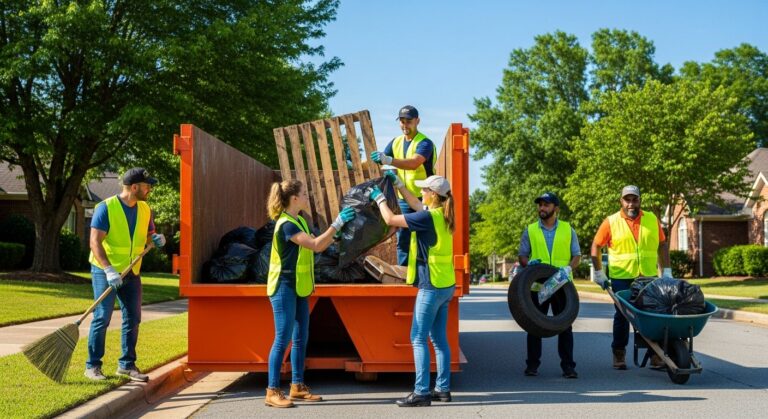
Community cleanups generate far more waste than most organizers expect. A single block of residential streets can produce bags of yard waste, broken furniture, old tires, and construction debris from DIY projects. When volunteers work for four to six hours, the accumulation of discarded items can quickly overwhelm standard curbside trash pickup. Without a dedicated dumpster, organizers often resort to stacking bags on curbs or loading personal vehicles, which creates hazards and delays.
Arkansas dumpster rental for community cleanup events planning solves this problem by providing a central, contained location for all waste. Volunteers can toss items directly into the bin without sorting or hauling. The rental company handles transportation and disposal, which means organizers do not need to coordinate multiple trips to the landfill. This efficiency keeps volunteers focused on cleaning rather than logistics.
Another critical advantage is cost control. Many dumpster rental companies offer flat-rate pricing for community events, which includes delivery, pickup, and a set weight allowance. This transparency helps event planners stick to a budget and avoid surprise fees. For example, a standard 20-yard roll-off dumpster can hold roughly 110 to 130 standard trash bags, which covers the waste from a medium-sized neighborhood cleanup. By planning ahead, you can select a size that matches your expected debris volume without paying for unused capacity.
Step 1: Estimate Your Waste Volume
Before you call a rental company, you need a realistic estimate of how much trash your event will produce. This step prevents two common problems: renting a dumpster that is too small and fills up before the event ends, or renting one that is too large and wastes money. Start by walking the area you plan to clean. Note the types of debris you see: household junk, yard waste, scrap metal, construction materials, or hazardous items. Each category has different weight and disposal requirements.
For a typical neighborhood cleanup covering 10 to 20 blocks, a 20-yard dumpster is usually sufficient. If the area includes heavy items like concrete blocks, roofing shingles, or large appliances, you may need a 30-yard container. For smaller events like a park or playground cleanup, a 10-yard dumpster often works well. Use this simple framework:
- 10-yard dumpster: Ideal for small parks, playgrounds, or single-street cleanups. Holds about 40 to 50 bags of trash.
- 20-yard dumpster: Best for medium neighborhoods, church parking lots, or school grounds. Holds 80 to 100 bags plus bulky items.
- 30-yard dumpster: Suitable for large-scale events covering multiple blocks or heavy debris like furniture and roofing.
- 40-yard dumpster: Reserved for major cleanups with commercial waste, large appliances, or significant construction debris.
After choosing a size, confirm with your rental provider whether the price includes a weight limit. Exceeding that limit can trigger overage charges. For community events, ask if the company offers a nonprofit discount or a flat fee that covers a generous weight allowance.
Step 2: Choose the Right Dumpster Type and Placement
Not all dumpsters are the same. For community cleanups, roll-off dumpsters are the most common choice because they are delivered by a truck and can be placed on driveways, parking lots, or empty lots. They have an open top, which allows volunteers to toss items in from all sides. However, you must ensure the drop-off location is accessible. The delivery truck needs at least 60 feet of straight-line access and a clear path with no low-hanging branches or power lines.
If your event is in a tight urban area or a narrow alley, consider a front-load dumpster. These are smaller and often used for ongoing waste collection, but they can be a good fit for small, stationary cleanups. In most cases, though, a roll-off container gives you the most flexibility for a one-day event.
Placement matters for safety and efficiency. Set the dumpster in a visible, central location so volunteers can easily find it. Avoid placing it on soft ground or steep slopes where the weight could cause tipping. If you must place it on a public street, check with your city or county for any permit requirements. Some Arkansas municipalities require a street occupancy permit for dumpsters that extend into roadways. Contact the local public works department at least two weeks before the event to learn the rules.
Step 3: Understand Prohibited Items and Sorting Rules
Every dumpster rental company has a list of items that cannot go into their containers. For community cleanups, the most common prohibited items include hazardous waste such as paints, solvents, batteries, pesticides, and motor oil. Tires, mattresses, and electronics are also often restricted because they require special disposal. If your event collects these items, you need a separate plan. Some communities partner with local recycling centers or hazardous waste collection facilities to accept these materials on the same day.
Communicate these rules to volunteers clearly before and during the event. Post a sign on the dumpster listing prohibited items. Assign a volunteer to monitor the bin and redirect anyone who tries to toss in banned materials. This simple step prevents your dumpster from being rejected at the landfill and avoids extra fees.
For items that are allowed but heavy, like concrete or dirt, you may need a separate container. Mixed loads with heavy debris can exceed the weight limit quickly. If your cleanup involves a lot of yard waste, ask the rental company if they offer organic waste recycling. Some Arkansas facilities accept leaves, branches, and grass clippings at a lower rate, which can save money and support local composting efforts.
Step 4: Schedule Delivery and Pickup Strategically
Timing is everything. Schedule the dumpster delivery one day before the event so it is in place when volunteers arrive. This gives you time to inspect the container and ensure the location works. If the dumpster is delivered on the same day, you risk delays if the truck is late or the placement is wrong.
Pickup should be scheduled for the day after the event or the same evening if the rental company offers same-day service. Leaving a full dumpster on-site for multiple days can attract pests, create odors, and violate local ordinances. Confirm the pickup window with your provider and have a contact number ready in case the truck is delayed.
For multi-day events, like a weekend-long community restoration, you may need a swap-out service. This means the company drops an empty container and picks up the full one midway through the event. Ask about this option when you book, especially if you expect high waste volume.
Step 5: Budget and Fundraising for the Rental
Community cleanups often operate on tight budgets. The cost of a dumpster rental in Arkansas typically ranges from $300 to $600 for a 20-yard container, depending on location, weight allowance, and disposal fees. To cover this expense, consider these funding sources:
- Neighborhood association funds: Many HOAs have a budget for community improvement projects.
- Local business sponsorships: Approach hardware stores, banks, or grocery chains for donations in exchange for logo placement on event flyers.
- City or county grants: Some Arkansas municipalities offer small grants for beautification and cleanup projects.
- Volunteer donations: Ask participants to contribute a small fee or bring canned goods that can be donated to a local food bank as a dual-purpose drive.
When you contact rental companies, mention that you are organizing a community event. Many providers offer discounts for nonprofits or groups that book multiple dumpsters. Get quotes from at least three companies in your area to compare pricing and terms.
Step 6: Safety and Volunteer Coordination
A clean and safe event requires more than just a dumpster. Provide volunteers with gloves, trash grabbers, and sturdy bags. Mark the dumpster area with cones or caution tape so no one trips near the container. If you are cleaning a roadside area, wear high-visibility vests and set up traffic cones to create a safe work zone.
Assign a dumpster captain who is responsible for monitoring the bin, enforcing prohibited item rules, and communicating with the rental company if issues arise. This person should have the rental contract and the company phone number handy. Also, plan for waste that does not fit in the dumpster. Have a backup plan, such as a trailer or a second drop-off location, for overflow debris.
After the event, take photos of the clean area and the full dumpster. These images are excellent for social media updates, grant reports, and thank-you notes to sponsors. They also serve as documentation in case the rental company disputes the weight or contents.
Working With a Reliable Arkansas Provider
Choosing the right rental company makes or breaks your event. Look for a provider with experience serving community groups. Ask about their cancellation policy, delivery windows, and what happens if the dumpster fills up faster than expected. A good company will work with you to adjust the plan without penalty.
For organizers who want a seamless experience, consider a provider that specializes in community and nonprofit events. In our guide on foreclosure cleanout dumpster rental for property managers, we emphasize the importance of clear communication and flexible scheduling. The same principles apply to community cleanups. A responsive rental partner can save you hours of stress and keep your event on track.
Also, verify that the company is licensed and insured. This protects you if the dumpster damages pavement or causes an accident during delivery. Ask for proof of insurance before signing the contract.
Post-Event Evaluation and Next Steps
Once the dumpster is picked up and the area is clean, take time to evaluate how the event went. Survey volunteers about what worked and what could improve. Did the dumpster size match the waste volume? Was the placement convenient? Were there any issues with prohibited items? Use this feedback to refine your plan for the next cleanup.
Share your success with the community. Post before-and-after photos on social media, thank sponsors publicly, and announce the total amount of waste removed. This builds momentum for future events and attracts more volunteers. Many Arkansas communities hold annual cleanups, and a well-organized first event often leads to a permanent tradition.
Finally, keep the rental company contact information for future events. A strong relationship with a reliable provider means you can book faster and negotiate better rates over time. Community cleanup events are powerful tools for improving neighborhoods, and Arkansas dumpster rental for community cleanup events planning is the foundation that makes them possible.